
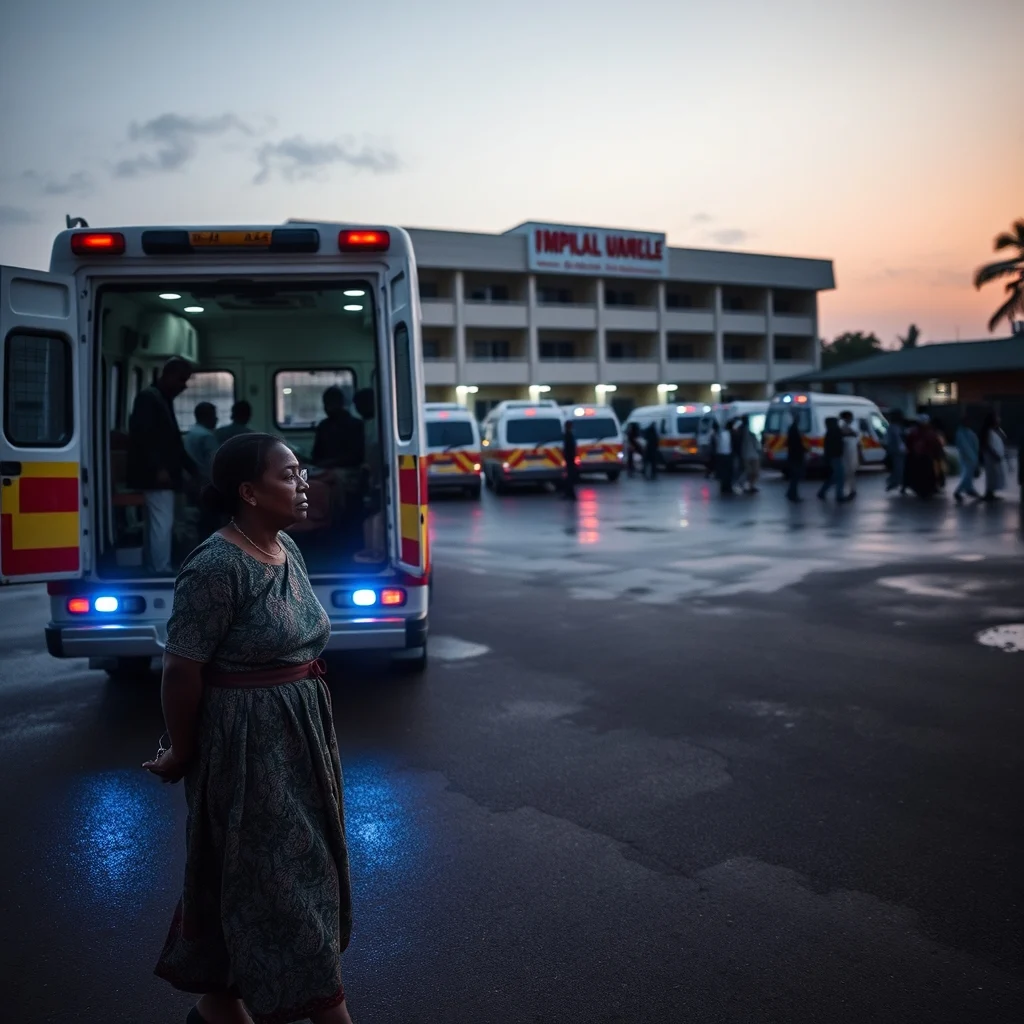
The emergency healthcare system in Ghana is critically inadequate, a situation that continues to claim lives due to persistent systemic weaknesses, according to Dr. Justice Yankson, a lawyer and former General Secretary of the Ghana Medical Association (GMA). Dr. Yankson voiced these concerns on JoyNews’ Newsfile programme on Saturday, May 9, during discussions surrounding the death of Charles Amissah and the findings of an official investigative report.
Systemic Weaknesses Exposed
The recent death of 29-year-old engineer Charles Amissah has brought Ghana’s emergency medical preparedness into sharp focus. An official investigative report revealed that Amissah’s death was not a direct result of his initial accident injuries, but rather a consequence of delayed emergency care and alleged medical neglect.
Evidence presented indicated that Amissah remained alive and potentially treatable through multiple referrals between major health facilities. However, he ultimately died without receiving the necessary intervention. This case has reignited a long-standing debate regarding the nation’s emergency preparedness and the coordination among its hospitals.
Persistent ‘No-Bed Syndrome’
Dr. Yankson highlighted that the notorious “no-bed syndrome” remains a critical and pervasive issue affecting hospitals across Ghana. This problem, characterized by a lack of available beds for incoming emergency patients, has been a recurring complaint from medical professionals and the public for years.
He emphasized that despite repeated awareness campaigns and complaints directed at successive health ministers and governments, insufficient action has been taken to effectively address this challenge. The situation underscores a gap between acknowledging the problem and implementing sustainable solutions.
Calls for Meaningful Reform
The GMA, through Dr. Yankson, acknowledges that some efforts are being made to improve the healthcare system. However, he stressed that these efforts are not enough to meet the urgent demands of emergency care. “The challenges are there and must be addressed,” he stated, calling for more comprehensive and effective reforms.
The investigative report into Charles Amissah’s death serves as a stark reminder of the human cost of these systemic failures. The delay in treatment and the alleged medical neglect point to deeper issues within the emergency response protocols and inter-facility communication.
Broader Implications
The situation in Ghana’s emergency healthcare system has significant implications for public safety and trust in medical institutions. Patients seeking urgent care face uncertainty and potential risk due to infrastructure and coordination deficits.
This ongoing crisis necessitates a critical review of resource allocation, emergency response training, and the operational efficiency of referral systems. Addressing the “no-bed syndrome” and improving inter-hospital coordination are crucial steps towards preventing future tragedies.
Looking Ahead
The public and medical community will be closely watching for concrete policy changes and investments aimed at bolstering Ghana’s emergency healthcare infrastructure. The effective implementation of recommendations from investigative reports, coupled with sustained political will, will be key to determining the future effectiveness of the nation’s emergency medical services.










Leave a Reply