
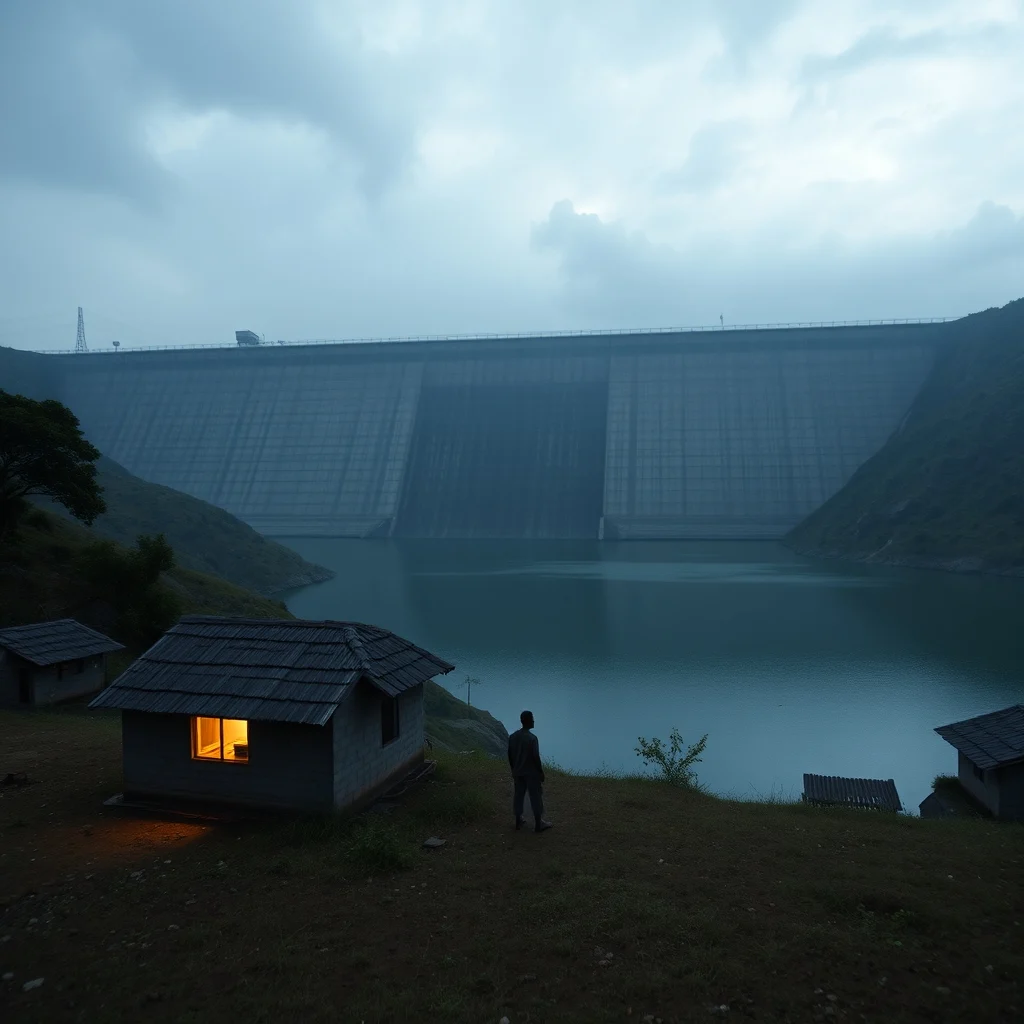
Accra, Ghana – The recent restoration of power generation at the Akosombo Hydroelectric Dam does not signify an end to Ghana’s persistent electricity crisis, commonly known as ‘dumsor.’ Dennis Miracles Aboagye, Director of Communications for the Bawumia Campaign, stated on JoyNews’ Newsfile on Saturday that the energy challenges predate the Akosombo incident and continue despite repairs, questioning official narratives that suggest a resolution.
Context of Ghana’s Energy Sector
Ghana has a history of grappling with power supply issues, often attributed to a combination of factors including aging infrastructure, financial constraints within the energy sector, and challenges in fuel supply. The Akosombo Dam, a critical source of hydroelectric power for the nation, has faced operational difficulties in the past, exacerbated by environmental factors like low rainfall, which impact water levels essential for generation.
These recurring power outages have significant economic and social consequences, affecting businesses, households, and public services. The term ‘dumsor’ itself has become synonymous with these disruptions, reflecting the deep-seated nature of the problem for many Ghanaians.
‘Dumsor’ Predates Akosombo Incident, Says Campaign Spokesperson
Dennis Miracles Aboagye asserted that the narrative presenting the Akosombo Dam repairs as a complete fix for the energy crisis is misleading. He highlighted that power outages were a daily reality for many citizens even before the recent disruption at Akosombo.
“My lights were going off three or four times a day,” Aboagye stated, indicating that the problem is systemic and not solely attributable to a single event or infrastructure failure like the Akosombo fire.
He criticized the perceived inconsistencies in public communication from the Ministry of Energy, arguing that official assurances create unrealistic expectations among the public. Aboagye cited reports from the Ashanti Region, where residents continued to experience outages despite ministerial claims of resolution.
“When the same minister says issues in Kumasi have been resolved and people are still experiencing outages, then clearly expectations are being mismanaged,” he commented. This suggests a disconnect between official pronouncements and the lived experiences of Ghanaians facing power instability.
Questioning Declarations of Success
Aboagye expressed concern over premature declarations of success in resolving the energy crisis. He warned that framing the Akosombo repairs as a “mission accomplished” indicates a failure to address the root causes of ‘dumsor.’
“If Akosombo being fixed is being described as mission accomplished, then we are in trouble,” he cautioned, implying that a deeper, multifaceted approach is necessary to achieve sustainable energy security for the nation.
Implications and Future Outlook
The ongoing debate underscores the complexity of Ghana’s energy sector challenges. While infrastructure repairs are crucial, they appear insufficient on their own to guarantee a stable power supply.
For businesses, continued ‘dumsor’ means increased operational costs due to the need for backup power, reduced productivity, and potential loss of revenue. Consumers face daily inconveniences and the added expense of charging devices and running essential appliances.
The focus now shifts to whether the government and energy sector stakeholders can implement comprehensive reforms addressing generation, transmission, distribution, and financial sustainability. Investors and the public will be watching for transparent communication and tangible progress beyond isolated repair efforts. The long-term implications hinge on a sustained commitment to diversifying energy sources, improving grid efficiency, and ensuring financial viability within the sector to prevent the recurrence of ‘dumsor’.










Leave a Reply