
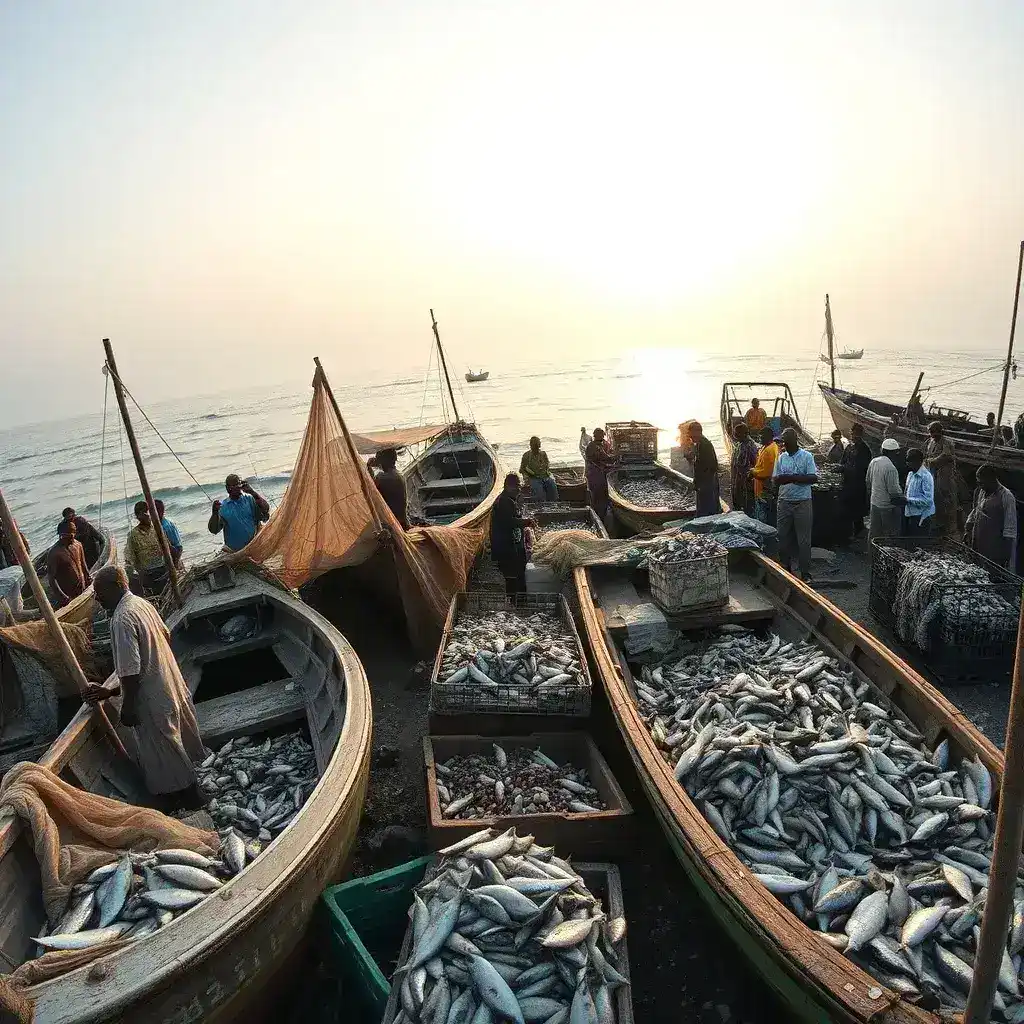
Accra, Ghana – Minister of Fisheries and Aquaculture, Emelia Arthur, has urgently called for an upgrade of data collection and management systems within Ghana’s fisheries sector. Speaking at a recent multistakeholder workshop in Accra focused on the Blue Ventures Conservation Programme, Arthur highlighted that current data is often outdated, failing to accurately reflect the dynamic state of marine and aquatic ecosystems, thereby hindering effective decision-making for the sector’s economic growth.
Urgent Need for Data Modernization
Minister Arthur emphasized the critical need to review and modernize the data used by both the government and its international partners. She noted with concern that statistics being relied upon are significantly old and do not capture contemporary ecological changes, posing a risk to sustainable management and economic planning.
The workshop, which brought together various stakeholders, served as a platform to discuss strategies for improving fisheries management. It underscored the disconnect between the data available and the real-time challenges faced by the sector.
Blue Ventures Partnership Aims for Sustainable Fisheries
A key development discussed was the recent signing of a Memorandum of Understanding (MOU) between the Ministry of Fisheries and Aquaculture and Blue Ventures Conservation. This collaboration is set to provide crucial policy, legal, and institutional support aimed at fostering sustainable fisheries management.
The partnership will also focus on strengthening enforcement systems, enhancing capacity building for stakeholders, and advancing scientific research, particularly in data collection and community engagement. Marine conservation, ecosystem protection, and the empowerment of coastal livelihoods are also central to the agreement.
Blue Ventures is actively working with local Ghanaian partners, including the Centre for Coastal Management at the University of Cape Coast, the Global Fisheries and Resilience Alliance, the Ghana National Canoe and Fishermen Council, and the Canoe and Fishing Gear Owners Association of Ghana. This collaborative approach aims to ensure that conservation efforts are grounded in local realities and community needs.
Challenges Facing Ghana’s Fisheries
Ebrima Saidy, CEO of Blue Ventures, affirmed that the organization’s mission in Ghana aligns with national priorities. He commended Ghana’s establishment of the Greater Cape Three Points Marine Protected Area as a significant step towards rebuilding fish stocks.
However, Saidy pointed to pressing issues affecting small-scale fishers along Ghana’s coast. These include declining fish catches, increased competition for fishing grounds, and mounting ecological pressures. He stressed that these challenges directly impact food security, household incomes, and the overall resilience of coastal communities.
Expert Calls for Investment and Collaboration
Professor Berchie Asiedu, Deputy Executive Director of the Fisheries Commission, echoed the Minister’s sentiments, highlighting the necessity for increased investment in data gathering. Accurate data is essential for a comprehensive understanding of aquatic resources and their true economic value to the nation.
Professor Asiedu also advocated for enhanced cross-border collaboration in fisheries data sharing. He illustrated this point by stating, “Fishes don’t have passports.” This implies that fish stocks migrate across national boundaries, making regional data exchange vital for effective management and conservation efforts.
Implications and Future Outlook
The push for better data infrastructure signifies a critical turning point for Ghana’s fisheries sector. Improved data accuracy is expected to lead to more informed policy decisions, targeted conservation initiatives, and ultimately, a more robust and sustainable fisheries economy. This could translate to increased revenue, enhanced food security for coastal populations, and greater resilience against environmental changes.
Stakeholders will be watching closely to see how the Blue Ventures partnership and the data modernization drive translate into tangible improvements on the ground. The success of these initiatives will depend on sustained investment, effective implementation, and strong collaboration among all parties involved. The focus will likely shift towards how quickly and effectively new data collection methods are rolled out and integrated into national fisheries management strategies.










Leave a Reply