
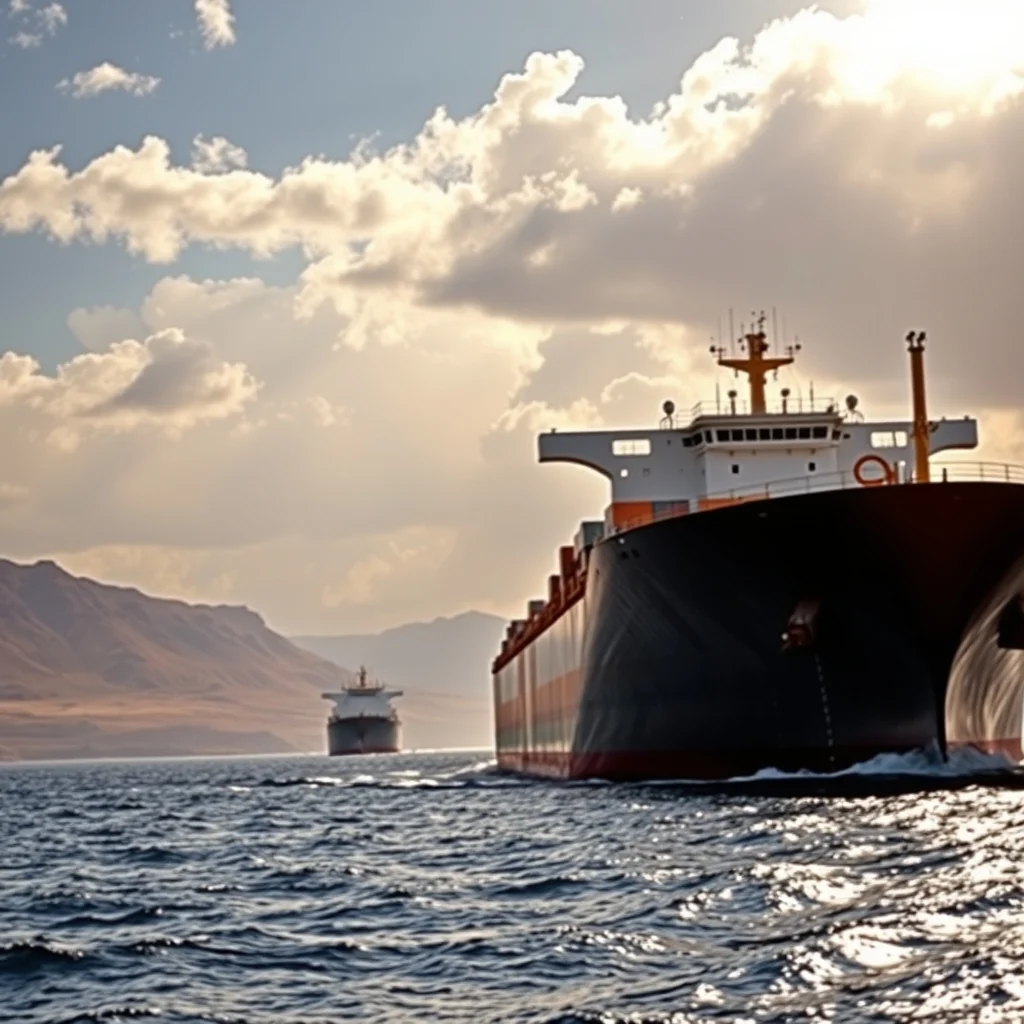
Global oil prices are predicted to remain in the low $100s for much of this year, even with a potential early reopening of the Strait of Hormuz, according to investment bank JP Morgan. This forecast follows recent price surges driven by President Donald Trump’s dismissal of Iran’s response to US proposals aimed at ending the ongoing conflict.
Geopolitical Tensions and Market Reactions
The international oil benchmark Brent crude saw a significant rise, trading above $105 a barrel at one point, before settling slightly lower. This volatility stems from diplomatic exchanges between the US and Iran, mediated by Pakistan. Iran’s response, seeking an immediate end to the conflict and guarantees against further US-Israeli attacks, was publicly rejected by President Trump as “TOTALLY UNACCEPTABLE.” Washington’s terms reportedly include the restoration of free transit through the Strait of Hormuz and the suspension of Iran’s nuclear enrichment activities.
Adding to the pressure, Israeli Prime Minister Benjamin Netanyahu reiterated demands for Iran’s enriched uranium stockpiles to be “taken out” as a condition for peace. A ceasefire, initiated in early April and extended indefinitely by Trump in late April, has largely held despite sporadic exchanges of fire. This delicate truce has allowed for peace talks, but the underlying tensions continue to impact energy markets.
Supply Chain Disruptions and Forecasts
The Strait of Hormuz, a critical chokepoint for approximately one-fifth of global oil and gas shipments, has been effectively closed since the conflict began in late February. Tehran had threatened to target vessels attempting passage in retaliation for US-Israeli strikes. JP Morgan’s analysis suggests that even if the waterway reopens soon, supply chains will not return to normal quickly.
The investment bank’s note indicated that oil prices are likely to stay in the low $100s for the remainder of the year, with an average forecast of $97 for 2026. JP Morgan highlighted that the bottleneck would likely shift from the Strait itself to issues such as tanker availability, the speed of refinery ramp-ups, and broader logistical constraints.
Corporate Earnings and Extended Impact
Major energy corporations have reported substantial profit increases amidst soaring oil and gas prices. Saudi Aramco announced a more than 25% jump in earnings for the first quarter of the year compared to the previous year. Aramco CEO Amin Nasser pointed to the company’s cross-country pipeline as a vital artery that helped mitigate shipping disruptions caused by the conflict.
Similarly, BP reported a doubling of profits for the first three months of the year, and Shell also announced a significant increase in earnings. Nasser warned that the energy shock stemming from the war could extend into 2027, even if the Strait of Hormuz reopens. He estimated an “unprecedented supply loss of about a billion barrels of oil” has occurred.
OPEC Production and Market Rebalancing
Data from Reuters indicated a decline in crude output from the Organization of the Petroleum Exporting Countries (OPEC) in April, falling by 830,000 barrels per day from the previous month to 20.04 million barrels per day. This reduction further contributes to the supply tightness in the global market.
Looking Ahead
The ongoing geopolitical situation and the complex factors affecting oil supply chains suggest that consumers and industries should brace for continued high energy prices throughout the year and potentially into 2027. Market watchers will closely monitor diplomatic progress, the actual timeline for the Strait of Hormuz reopening, and the capacity of the global logistics network to absorb potential supply increases.










Leave a Reply