
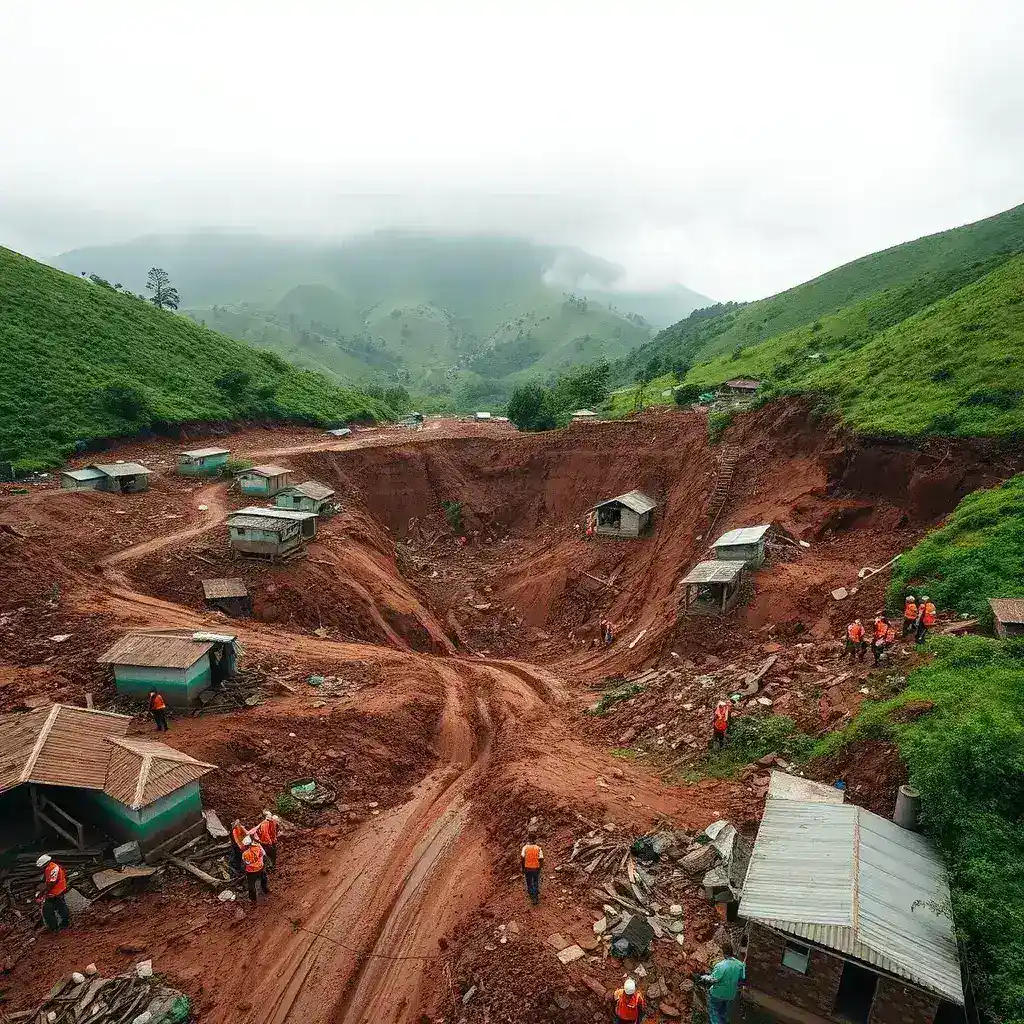
At least 18 people have died in Kenya due to severe flooding and landslides following relentless heavy rains, the national police service confirmed on Sunday. The tragic incidents occurred in central and eastern Kenya, specifically in Tharaka Nithi, Elgeyo Marakwet, and Kiambu counties, as the nation grapples with its peak March-May rainy season.
Mounting Casualties and Widespread Damage
The National Police Service issued a statement highlighting the grave danger posed by the current weather conditions, officially confirming the 18 fatalities. These deaths underscore the severe impact of the prolonged downpours that have characterized the East African nation’s current meteorological phase.
Beyond the tragic loss of life, the heavy rainfall has inflicted significant damage on critical infrastructure across the country. Roads, bridges, and other essential facilities have been compromised, disrupting transportation and access to services. Many residents have been displaced from their homes as floodwaters inundate villages and towns.
Context of the Rainy Season
Kenya’s March to May period is traditionally its long rainy season, often bringing substantial rainfall vital for agriculture. However, this year’s season has seen particularly intense and sustained downpours, exacerbated by broader climate patterns influencing the region. The intensity of the rains has overwhelmed natural drainage systems and safety measures.
The meteorological department had previously issued warnings about the likelihood of above-average rainfall during this period. Such forecasts are crucial for disaster preparedness, enabling authorities and communities to take preemptive measures against potential floods and landslides.
Expert Perspectives on Climate Impact
Climate scientists have frequently pointed to the increased unpredictability and intensity of weather events in East Africa, linking them to global climate change. Dr. Evelyn Njoroge, a climate researcher at the University of Nairobi, noted, “We are observing a trend where seasonal rains are becoming more extreme. This means periods of drought are often followed by intense, damaging rainfall, challenging communities that are not adequately prepared for such rapid shifts.”
Data from the Kenya Red Cross Society indicates a significant rise in displacement figures over the past few weeks, with thousands seeking refuge in temporary shelters or with relatives. “Our teams are actively involved in search and rescue operations and providing essential aid to those affected,” stated a spokesperson for the organization. “The scale of displacement is a major concern, requiring sustained humanitarian support.”
Implications for Infrastructure and Livelihoods
The damage to infrastructure poses a significant challenge to Kenya’s development goals. Repairing roads and bridges will require substantial financial investment and time, potentially hindering economic activity and the delivery of essential goods and services. For many rural communities, damaged roads can cut off access to markets, schools, and healthcare facilities.
The agricultural sector, a cornerstone of Kenya’s economy, is also heavily impacted. While rain is necessary, excessive flooding can destroy crops, leading to food shortages and economic losses for farmers. The displacement of people also affects their ability to cultivate land and earn a living.
Looking Ahead: Preparedness and Resilience
As the rainy season continues, the immediate focus remains on rescue efforts, providing aid to the displaced, and assessing the full extent of the damage. Authorities are urging residents in flood-prone areas and near steep slopes to exercise extreme caution and heed evacuation orders when issued. The long-term implications point towards an urgent need for enhanced disaster preparedness strategies, improved infrastructure resilience, and community-based early warning systems to mitigate the impact of increasingly severe weather events.










Leave a Reply