
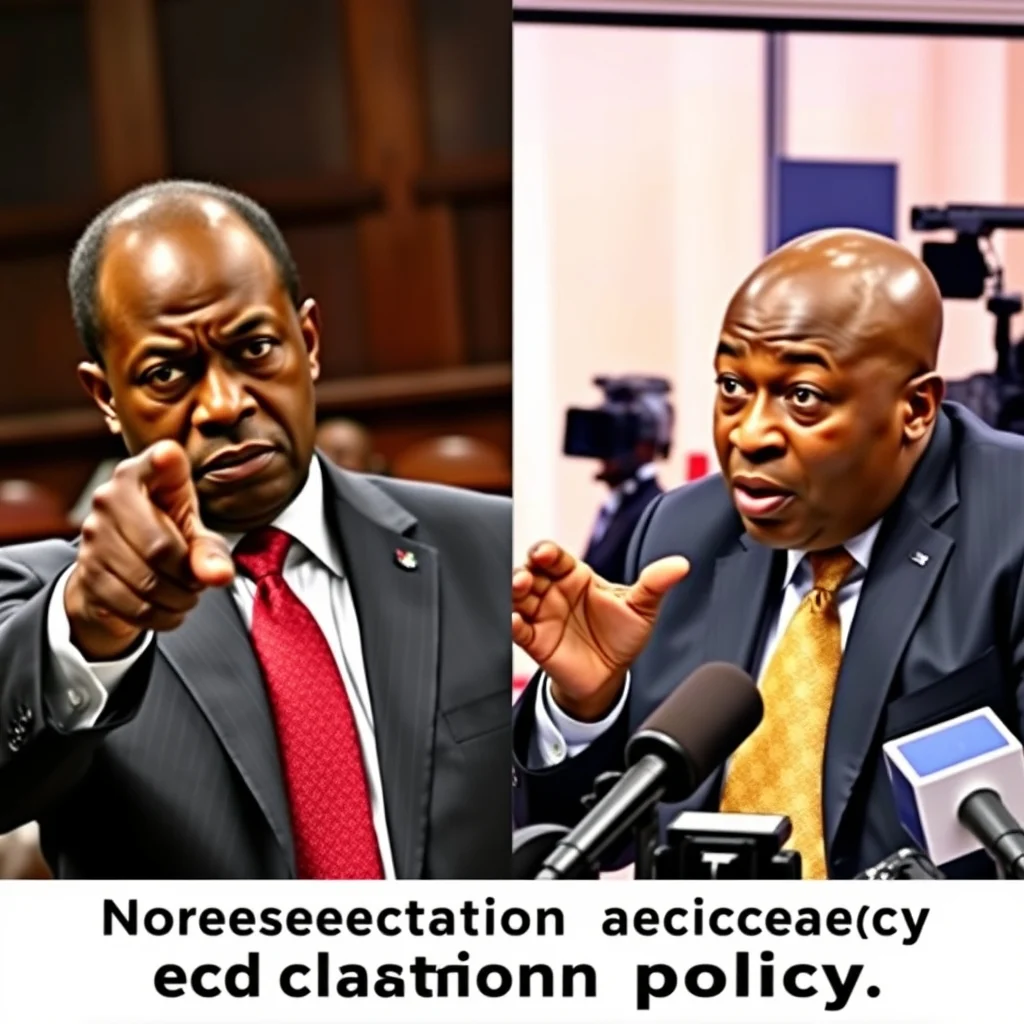
Old Tafo MP Vincent Ekow Assafuah has publicly accused Majority Chief Whip Rockson Nelson Dafeamekpor of misleading prospective law students regarding reforms to legal education and the proposed abolition of Ghana School of Law entrance examinations. The accusation stems from an earlier television interview where Dafeamekpor allegedly assured students that the entrance exams had been scrapped, a claim now questioned by Assafuah following a directive from the Independent Examinations Committee (IEC) setting July 31, 2026, as the date for these examinations.
Context of Legal Education Reforms
Ghana’s legal education system has been a subject of ongoing debate and reform efforts. For years, the Ghana School of Law has maintained entrance examinations as a gateway for law graduates from various universities to gain admission for professional legal training. This system has faced criticism for being a bottleneck, limiting the number of qualified lawyers and potentially hindering access to the legal profession.
Proposals for reform have aimed to streamline the process, with discussions around potentially abolishing or modifying the entrance exams. These discussions have often created uncertainty among students aspiring to attend law school, leading to a demand for clear communication from leadership and relevant bodies.
Assafuah’s Accusations and Concerns
In a strongly worded statement, Assafuah directly challenged Dafeamekpor’s previous pronouncements. He questioned the credibility of the Majority Chief Whip’s assurances, asking, “Did he lie through his teeth when he asked students to trust him on his word that for this academic season and subsequent ones, there would not be any entrance exams?” Assafuah highlighted the discrepancy between Dafeamekpor’s statements and the IEC’s directive, which effectively reinstates the examinations for a specified period.
Furthermore, Assafuah criticized Dafeamekpor for dismissing concerns raised by students and other critics as mere “hearsay” and “politically convenient assumptions.” He argued that a leader with significant legal and parliamentary experience should understand the procedural complexities involved in legislative reforms.
“A leader who conducts himself in this manner raises serious concerns about judgment, credibility, and responsibility,” Assafuah stated, emphasizing the importance of accurate communication from public officials, especially when dealing with the future prospects of students.
Institutions Respond to Directives
Assafuah refuted Dafeamekpor’s claim that there had been no official announcement regarding the entrance examinations. He pointed to the fact that institutions, such as the KNUST Faculty of Law, had already adjusted their academic schedules in direct response to the IEC’s directive. This indicates that the directive has had tangible impacts on educational planning, contradicting the notion that the issue remained unaddressed officially.
The Old Tafo MP urged the government to take decisive action. He called for either the complete withdrawal of the examination requirement to provide clarity for current students or an extension of the deadline. Such an extension would grant students adequate time to prepare if the examinations are indeed to proceed.
Implications for Students and the Legal Profession
The conflicting statements and the subsequent IEC directive create significant uncertainty for prospective law students. Students who may have altered their study plans or made career decisions based on earlier assurances now face a revised reality. This situation underscores the need for clear, consistent, and timely communication from government and regulatory bodies regarding policy changes that affect educational pathways.
For the legal profession in Ghana, the ongoing debate over entrance examinations reflects a broader discussion about access, equity, and the standards of legal education. The outcome of these reform discussions will shape the future pipeline of legal professionals and could influence the accessibility and diversity of the legal field.
What to Watch Next
The coming months will be crucial in observing how this controversy unfolds. Attention will be on further statements from the Majority Chief Whip, the Ministry of Education, and the IEC. Stakeholders will be watching to see if the government provides a definitive roadmap for legal education reforms, clarifies the status of the entrance examinations beyond the July 2026 deadline, and addresses the concerns of students who feel misled. The potential for further legal challenges or public outcry remains a possibility as the situation develops.










Leave a Reply