
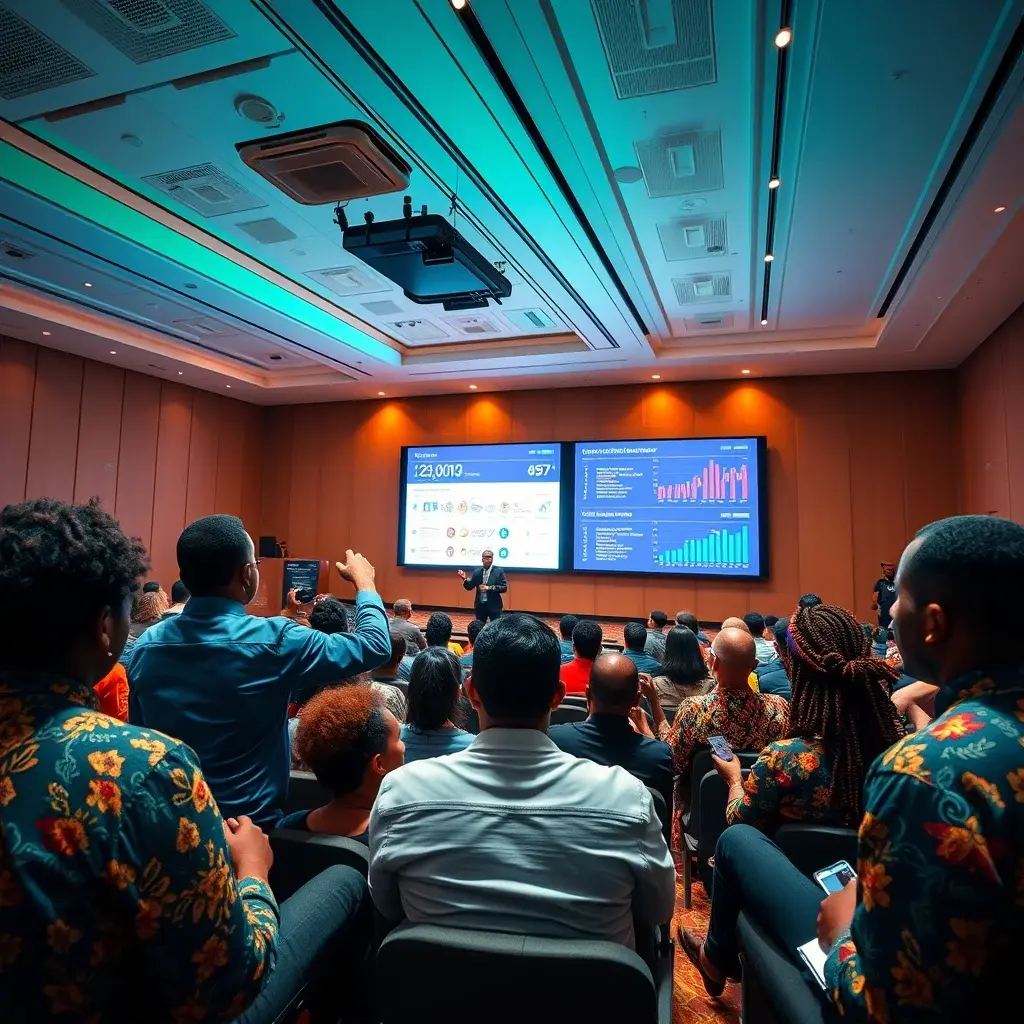
MTN Ghana convened its inaugural Digital Music Conference on Thursday, April 29, at MTN House, bringing together prominent artistes and industry stakeholders to address the critical challenge of generating sustainable income for musicians in the evolving digital landscape. The conference, attended by figures such as D-Black, Bessa Simons, Baba Sadiq, Camidoh, Episode, and Kwaw Kese, aimed to explore opportunities for revenue generation, ownership, and long-term viability within Ghana’s creative economy.
Context: The Digital Shift and Revenue Gaps
Ghanaian music has achieved significant global reach, acting as a powerful cultural export. However, a persistent issue for many artistes is the difficulty in translating widespread popularity and digital visibility into tangible, consistent income. While digital streaming platforms like Spotify, Boomplay, Audiomack, and Apple Music offer unprecedented access to audiences worldwide, the revenue generated per stream often falls short of expectations.
Industry data presented at the conference highlighted the substantial numbers required to earn significant amounts from streaming. For instance, achieving $1,000 in revenue on platforms like Boomplay, Spotify, and YouTube necessitates approximately one million streams. Apple Music, while requiring fewer streams at around 250,000, still represents a considerable threshold.
Exploring Alternative Revenue Streams
Bless Sefenu Agordzor, Acting Chief Digital Officer of MTN Ghana, emphasized that alternative platforms, particularly telecom-based services like Caller Ring-Back Tones (CRBT), offer a more accessible path to earnings. He noted that earning the same $1,000 could be achieved through approximately 200,000 CRBT downloads. A key advantage of CRBT is its potential for recurring monthly income, as long as user subscriptions remain active, contrasting with the often one-off earnings from streaming milestones.
MTN’s own platforms, including CallerTunez, MTN Radio, and DJ Mix, provide direct access to millions of potential listeners. However, adoption rates, especially for CRBT, remain below their potential. Agordzor attributed this to limited awareness and misconceptions regarding revenue-sharing models.
The Crucial Role of Registration and Royalties
Diana Hopeson, Founder of GH Music Publishing, underscored the fundamental importance of proper music registration for artistes to claim their rightful earnings. She posed the critical question, “At this time that the whole world has gone digital, music has changed. The song is everywhere, but where is the money?” Hopeson stressed that without correct registration with bodies like the Copyright Office and collective management organizations such as GHAMRO, artistes risk losing royalties that are difficult to reclaim individually.
Publishers play a vital role in this ecosystem, assisting in the collection of revenues that individual musicians might otherwise miss. The conference highlighted a significant gap in understanding among artistes regarding music publishing and the various types of royalties that exist.
Industry Collaboration and Transparency Concerns
Bessa Simons, President of the Musicians Union of Ghana (MUSIGA), called for enhanced collaboration within the music industry and urged musicians to actively support royalty collection systems. He clarified the distinction between MUSIGA, which supports musicians, and GHAMRO, which collects and distributes royalties. Simons described the conference as a crucial intervention to address the income disparity between artistes’ visibility and their earnings.
Musician D-Black shared a personal anecdote, revealing substantial royalty earnings from a single song abroad while receiving nothing locally. He cited this experience to highlight the need for greater transparency and accountability in royalty distribution systems. He also advocated for the development of digital systems that would allow artistes to manage their music and registrations online, moving away from cumbersome physical processes.
Data-Driven Strategies and Audience Engagement
Baba Sadiq, Founder of 3Music Network and Ghana’s High Commissioner to Nigeria, emphasized the growing importance of data, strategic planning, and a deep understanding of audience behavior in building a successful music career. While acknowledging the continued relevance of streaming platforms, he pointed to the historical significance and overlooked potential of CRBT.
Sadiq explained that the contemporary music business is increasingly driven by insights and research rather than solely creative impulse. He advised artistes to leverage data from digital platforms to understand their audience demographics, geographic locations, and content preferences. This insight allows for tailored music creation, branding, and marketing efforts.
He noted that the most active music consumers are predominantly in the younger demographic (13-24 years old), influencing trends. For upcoming artistes, particularly those without significant financial backing, Sadiq recommended adopting a content creator mindset. This involves consistently building a fan base online before and after music releases, mirroring the success of digital creators who leverage online influence for real-world engagement and revenue.
The Path Forward: Diversification and Digital Adoption
The conference concluded with a strong consensus on the need for diversification of revenue streams, increased awareness and adoption of alternative platforms like CRBT, and a commitment to better education and transparency regarding royalties and digital rights. MTN Ghana reiterated its commitment to partnering with artistes, viewing them not merely as content suppliers but as integral collaborators in the digital music ecosystem. The telecommunications giant aims to double the number of artistes utilizing its digital platforms and foster stronger industry partnerships.
Looking ahead, the focus remains on how artistes can effectively navigate the digital landscape, harness the potential of various platforms, and ensure that their creative output translates into sustainable financial success. The adoption of digital tools for registration, management, and revenue tracking, coupled with a data-informed approach to audience engagement, will be critical for the future growth and stability of the Ghanaian music industry.










Leave a Reply