
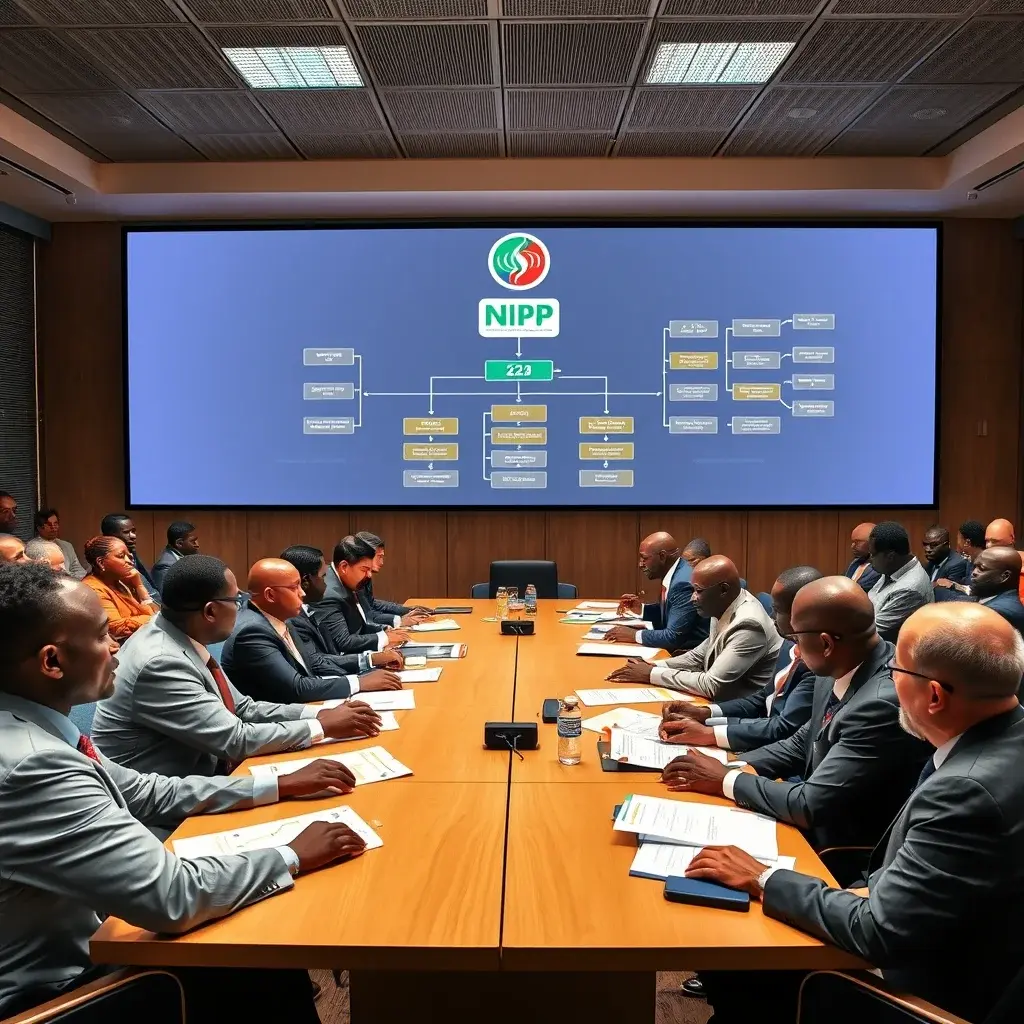
Accra, Ghana – The New Patriotic Party (NPP) has formally launched a comprehensive 23-sector policy committee framework, a move designed to fundamentally alter the nature of opposition politics in Ghana. Spearheaded by Vice President Dr. Mahamudu Bawumia, this initiative positions the party as a structured government-in-waiting, a departure from historical opposition strategies in the nation’s democratic history. The framework’s launch signifies the NPP’s commitment to developing detailed, implementable policy alternatives ahead of the next electoral cycle.
A New Paradigm for Opposition Politics
For decades, Ghanaian opposition parties have typically relied on ad hoc policy teams, often activated primarily during election seasons. These efforts frequently lacked cross-sector coordination and robust research infrastructure. The NPP’s new framework, however, represents a significant structural and operational overhaul.
The initiative features 23 distinct sector committees, each staffed with technical experts. A dedicated Policy Coordination Office will oversee the process, ensuring internal reporting and adherence to a phased deliverables schedule extending to 2027. Crucially, these committees are tasked with more than just critiquing the incumbent government’s performance.
Their mandate includes developing fully costed and implementable policy alternatives. This detailed programming is intended to be directly convertible into a governing agenda, ready for immediate implementation should the party gain power.
Bawumia’s Influence and Vision
The design of this extensive policy architecture bears the clear imprint of Dr. Mahamudu Bawumia. During his tenure as Vice President, he was known for his meticulous approach to evidence-based policy-making. His leadership in spearheading Ghana’s digital transformation agenda set new benchmarks for public administration.
This systematic, data-driven, and forward-looking disposition is now being embedded within the NPP’s opposition structure. It signals a strategic shift towards institutionalizing policy development as a core function, regardless of whether the party is in government or opposition.
Redefining Opposition: Proposing, Not Just Opposing
Senior NPP figures have emphasized the transformative nature of this policy committee framework. “The NPP is redefining what it means to be in opposition in Ghana,” stated one veteran party official. “We are not just opposing, we are proposing. Not just criticising, we are constructing.”
This approach aims to elevate the discourse beyond mere political noise-making, a common critique of opposition activities in Ghana. By presenting researched and costed policy proposals, the NPP seeks to demonstrate its readiness to govern.
Data-Driven Policy Development
The framework’s emphasis on technical membership and a phased schedule underscores a commitment to rigorous, data-driven policy formulation. This contrasts sharply with the often-vague promises that characterize electoral campaigns.
The development of policy alternatives across 23 sectors suggests a comprehensive understanding of national challenges and a proactive approach to problem-solving. Such a structured approach allows for the development of policies that are not only innovative but also practical and financially viable.
Implications for Ghana’s Political Landscape
If the NPP’s policy committees successfully deliver on their mandate, the party could arrive at the 2028 general elections with a distinct advantage. Instead of presenting mere promises, they would offer a detailed, researched, and implementable program for governance.
This strategic positioning could set a new precedent for opposition parties in Ghana, raising the bar for policy engagement and challenging the status quo of political opposition. The success of this initiative will likely influence how future opposition parties strategize and engage with the electorate.
Looking Ahead
The coming months and years will be critical in observing the output and effectiveness of these 23 policy committees. The NPP’s ability to produce credible, implementable, and well-communicated policy alternatives will be closely scrutinized by the public, political analysts, and rival parties. The party’s success in institutionalizing this rigorous policy development process could reshape Ghana’s political trajectory and set new standards for governance preparedness.










Leave a Reply