
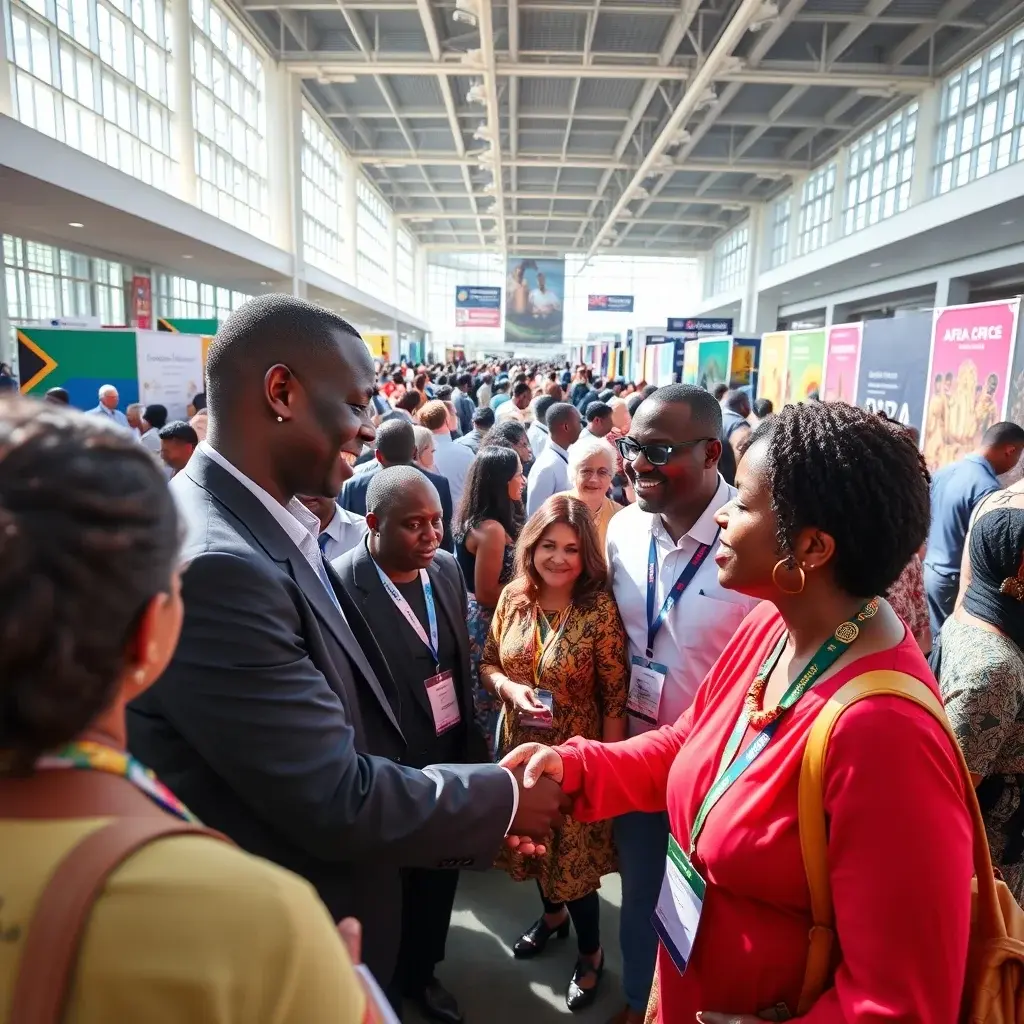
DURBAN, SOUTH AFRICA – As Africa’s Travel Indaba commenced in Durban with Business Opportunity Networking Day (BONDay) on Monday, May 11, 2026, President Cyril Ramaphosa addressed concerns regarding recent xenophobic incidents, issuing a strong condemnation and reassuring African travellers, tourism stakeholders, and international partners. The President emphasized that these acts do not represent South Africa’s values or government policy, particularly as thousands of global tourism professionals gather for the continent’s premier tourism trade event.
In his official address, President Ramaphosa stated that the violent incidents were the work of opportunists exploiting legitimate grievances under the guise of activism. He firmly declared that such lawlessness would not be tolerated, irrespective of the perpetrators or victims involved. This statement comes at a critical time for South Africa’s tourism sector, which is under a continental spotlight.
Tourism Economy Under Continental Spotlight
Africa’s Travel Indaba, the continent’s largest tourism trade show, officially opened at the Durban International Convention Centre. BONDay set the stage for three days of high-level business engagements, connecting African destinations with global tourism buyers. The event’s official opening followed on Tuesday, May 12, 2026.
President Ramaphosa highlighted the critical role of tourism, especially intra-African travel, in South Africa’s economy. He noted that visitors from other African countries constituted over 8 million of South Africa’s 10.5 million tourist arrivals in the previous year. This statistic underscores the significant contribution of regional travel to the nation’s tourism performance.
Indaba Growth, Private Sector Funding, and Long-Term Sustainability
At the 2026 edition’s launch, Tourism Minister Patricia de Lille celebrated Africa’s Travel Indaba as a prime example of successful public-private collaboration. The event, funded by the state for over three decades, is entering a new growth phase. The government is actively seeking proposals from the private and creative sectors to enhance its long-term sustainability and scale.
Minister de Lille called for new ideas, partnerships, and sponsorships to ensure the event’s longevity for the next 30 years. She anticipates a significant expansion in upcoming editions, with an expectation that the event will triple in size next year due to renewed private sector interest.
Media, Confidence, and Destination Reputation
The Minister also acknowledged the media’s crucial role in shaping international confidence in South Africa and the broader African continent. She recognized journalists for holding stakeholders accountable and for their reporting that helps shift negative narratives.
De Lille emphasized that while reporting on challenges is important, media coverage also positions Africa as a destination of capability, stability, and investment, not just natural beauty. This narrative shaping is vital for rebuilding and maintaining destination reputation.
Spreading Tourism Benefits Beyond Major Hubs
In an effort to foster more inclusive tourism growth, Minister de Lille confirmed that hosted buyers attending the Indaba would embark on familiarization trips to various provinces post-event. The aim is to distribute tourism benefits more widely across South Africa.
These trips will extend beyond traditional tourism hubs to showcase the country’s less-explored regions, including the Free State, Northern Cape, and North West. This strategy includes investments in new attractions and nature-based tourism products to diversify offerings and ensure more equitable income distribution.
Openness and African Solidarity Reaffirmed
Against this backdrop, President Ramaphosa reiterated South Africa’s commitment to African integration, people-to-people exchange, and mobility. He urged the nation to reject efforts that damage its international reputation and undermine continental solidarity.
While acknowledging the pressures posed by undocumented migration on public services and labor markets, the President stressed that South Africa would maintain a balance between border enforcement, openness, and human rights. He reiterated that xenophobia, intolerance, and violence have no place in the country.
As Africa’s Travel Indaba unfolds, the overarching message from South Africa’s leadership is one of continued openness to African travellers, a steadfast commitment to continental solidarity, and a firm positioning as a leading destination for leisure, business, and MICE tourism.
Looking ahead, the success of these initiatives will be measured by the tangible increase in private sector participation and investment in Africa’s Travel Indaba, as well as the demonstrable spread of tourism benefits to previously underserved provinces. Observers will also be watching how effectively South Africa balances its immigration policies with its commitment to African solidarity and human rights in the coming months.










Leave a Reply