
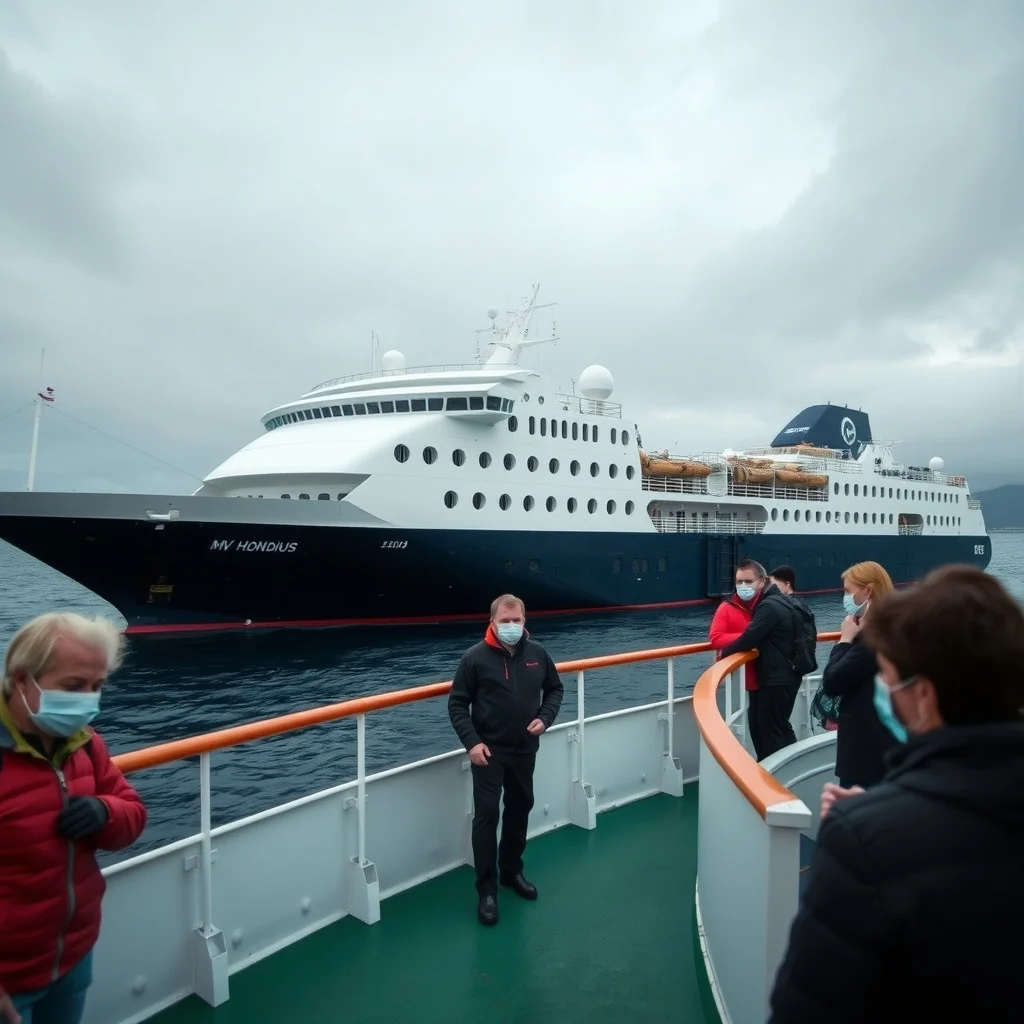
Three passengers have died and three others are critically ill following a suspected hantavirus outbreak aboard the Netherlands-based cruise ship MV Hondius, authorities confirmed Sunday. The incident unfolded off the coast of Cape Verde, an island nation in the Atlantic Ocean.
Cruise Ship Navigates Medical Crisis
Oceanwide Expeditions, the operator of the MV Hondius, acknowledged a “serious medical situation” on board its polar expedition vessel. The ship, carrying approximately 150 passengers, had departed from Argentina about three weeks prior and made stops in the Antarctic and other locations before heading towards Cape Verde.
The Dutch Foreign Ministry confirmed the deaths of two Dutch nationals among the passengers. The World Health Organization (WHO) reported that one of the three currently ill passengers is in intensive care in South Africa, identified by Sky News as a British national.
Understanding Hantavirus
Hantaviruses are a group of viruses primarily spread by rodents, according to the U.S. Centers for Disease Control and Prevention (CDC). Transmission to humans typically occurs through inhalation of virus particles shed in rodent urine, droppings, and saliva, often when infected rodent habitats are disturbed, such as during cleaning activities.
The illness, known as hantavirus pulmonary syndrome (HPS) in the Americas, begins with flu-like symptoms, including fever, headache, dizziness, and muscle aches. As the disease progresses, it can lead to severe respiratory distress, fluid in the lungs, and cardiovascular collapse. The CDC states that approximately 40% of hantavirus cases are fatal.
While person-to-person transmission is rare, it can occur, particularly with certain types of hantavirus. There are no specific antiviral treatments for hantavirus infection; care is supportive, focusing on managing symptoms and respiratory function, often requiring mechanical ventilation in severe cases.
International Response and Challenges
The WHO is actively involved in coordinating the response, working with member states and Oceanwide Expeditions to facilitate the medical evacuation of two symptomatic passengers. The organization is also providing support for a full public health risk assessment and care for the remaining passengers on board.
Challenges arose as Cape Verde authorities initially did not grant permission for passengers needing medical attention to disembark. Dutch authorities were reportedly working to arrange the repatriation of two symptomatic individuals and the body of a deceased passenger.
Broader Implications for Travel and Health
This incident highlights the potential health risks associated with travel, particularly to remote or ecologically sensitive regions. Cruise expeditions, while offering unique experiences, can also present concentrated environments where infectious diseases can spread.
Health authorities and travel operators face the complex task of managing outbreaks in transit, balancing passenger safety with logistical and diplomatic hurdles. The case underscores the importance of robust onboard medical facilities and clear protocols for handling serious health emergencies at sea.
Future Watch: Vigilance and Protocols
As investigations continue, the focus will be on identifying the specific strain of hantavirus and the precise source of the outbreak on the MV Hondius. This will inform future prevention strategies for similar expeditions. Travelers, especially those venturing into areas with known rodent populations, may face increased scrutiny regarding health advisories and onboard hygiene practices. The incident is likely to prompt a review of health screening protocols and emergency response plans for expedition cruises, emphasizing preparedness for zoonotic diseases in diverse travel environments.










Leave a Reply