
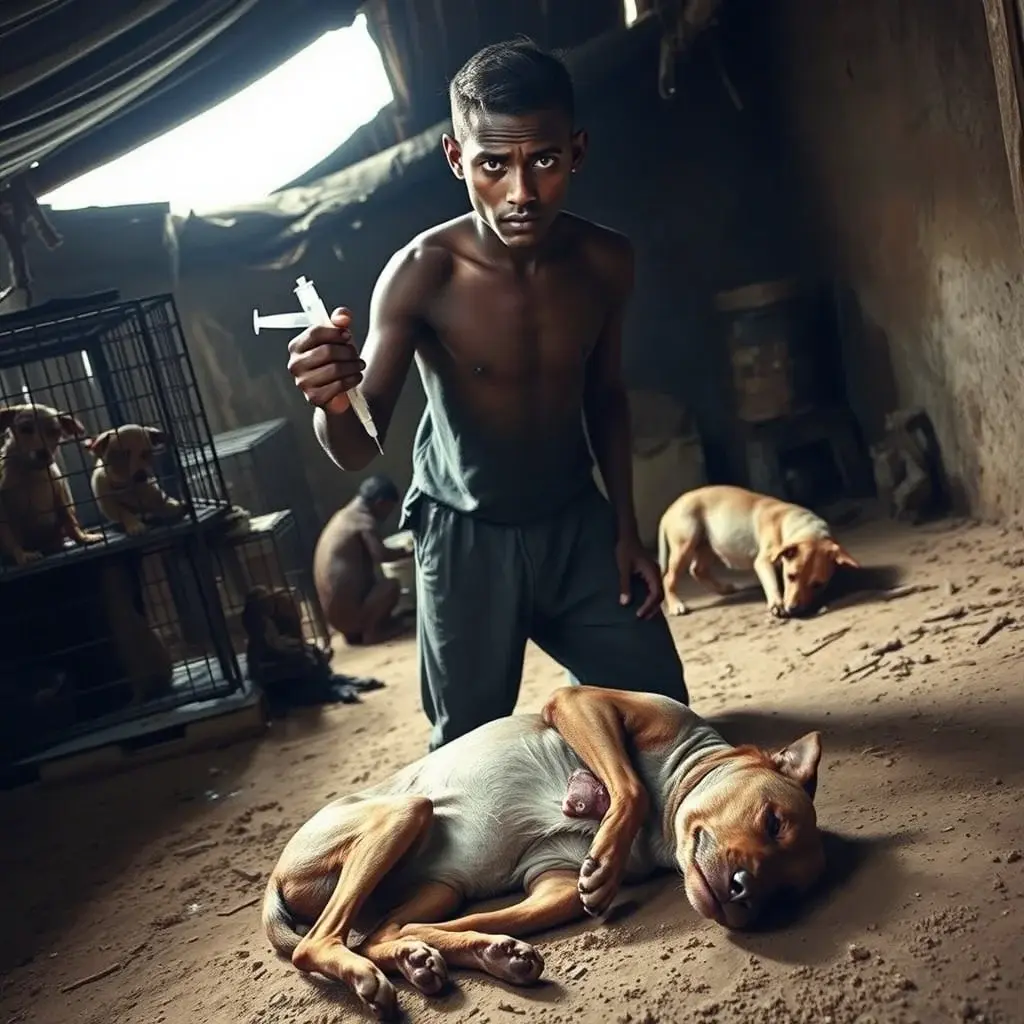
A BBC Africa Eye investigation has uncovered a sophisticated scam operation in Mityana, Uganda, where individuals are allegedly exploiting distressed animals, primarily dogs, to solicit donations from unsuspecting animal lovers worldwide. The scheme, which has raised hundreds of thousands of dollars through online platforms like GoFundMe, relies on staged videos and fabricated narratives of animal suffering to elicit sympathy and financial contributions, often from users in Europe, North America, and Australia.
The Exploitation of Animal Suffering
The investigation highlights the story of a dog, nicknamed Russet by social media users due to his rust-coloured fur, who was filmed with severe injuries to his hind legs. A TikTok video posted in January last year claimed the dog had been in an accident and pleaded for donations to save his life. Over three weeks, this same dog appeared in hundreds of fundraising campaigns across multiple accounts, raising thousands of dollars for his supposed treatment.
However, Russet never recovered and ultimately died. BBC journalists pieced together evidence suggesting the dog endured prolonged suffering, and his injuries may have been deliberately inflicted. This practice is part of a broader industry in Mityana that profits from cruelty, leveraging emotional appeals and Western stereotypes of Africa to manipulate donors.
Sham Shelters and Deceptive Practices
Mityana, a town approximately 70km from Uganda’s capital, Kampala, has become infamous among online animal rescue activists for its sham dog rescue shelters. Young men in the region have identified the profitability of online animal appeals, capitalizing on the deep affection many in Western countries have for dogs.
These scammers flood social media platforms like Instagram, TikTok, Facebook, and YouTube with videos of seemingly neglected animals, accompanied by pleas for funds to shelter, feed, and treat them. Typical videos depict dogs in makeshift structures with messages like “our dogs are hungry” or “please help us.” The content often plays on perceptions of Africa as a place of scarcity, portraying the creators as heroic young dog lovers fighting against the odds.
Financial Scale of the Scam
BBC Africa Eye’s data analysis reveals the significant financial scale of these operations. Over the past five years, more than $730,000 (£540,000) has been raised for animal shelters in Uganda through hundreds of fundraisers on GoFundMe. Alarmingly, nearly 40% of these fundraisers were linked to Mityana.
Within Mityana, the business of sham shelters is an open secret, with residents noting that those involved often display wealth, such as driving luxury cars. Despite this, fear of retaliation prevents many from speaking out publicly.
Undercover Investigation Reveals Abuses
An undercover BBC team posed as individuals interested in entering the online dog-shelter business in Mityana. They discovered that some shelters rent out space to multiple content creators, charging a fee to film with the owner’s dogs. These videos are then used across various social media accounts and fundraising pages, meaning the same dogs and facilities are exploited repeatedly.
An undercover journalist gained access to a shelter run by a man identified as Charles Lubajja. Inside, approximately 15 dogs were found confined in a single cage, lying in their own waste. Many appeared severely underweight and lethargic. Lubajja openly admitted to the undercover reporters that the shelter’s primary purpose was to generate money from foreign donors under false pretences.
Devised Tactics for Deception
Lubajja shared several deceptive tactics used to maximize revenue. These include fabricating eviction threats to solicit relocation funds, staging fake veterinary treatments (like inserting a syringe into fur instead of administering a real injection), and grossly inflating the cost of dog food. “Once you get a white donor, don’t treat them as a brother. You have to squeeze them. Drain them,” Lubajja was secretly recorded saying, emphasizing the goal of extracting as much money as possible.
Activist Efforts to Combat Scams
As fake operations like Lubajja’s proliferate, a growing number of donors have recognized the deception. This has led to the rise of activist groups dedicated to stopping these scams. Tactics include raising awareness among potential donors and publicly naming accounts suspected of the worst offenses.
Online activists also claim that deliberate harm to animals, beyond neglect, occurs in Mityana’s shelters. The campaign “We Won’t Be Scammed,” with around 20,000 Instagram followers, is one such initiative. Its founder, Nicola Baird, a former victim of such scams, expressed intense “hatred” for the scammers, calling them the “epitome of evil.” Baird believes many animal injuries shown in videos, including burns, cuts, and missing limbs, are intentionally inflicted.
Lubajja confirmed to the undercover team that some content creators intentionally injure dogs. “When they ran out of content, some people started cutting the dogs and asking for money,” he stated. However, he noted that this escalation backfired as donors became more discerning.
Russet’s Tragic Story
Activists, including those from “We Won’t Be Scammed,” suspect that Russet’s leg injuries were deliberately inflicted. Although Lubajja initially claimed Russet was hit by a traffic accident outside his shelter, veterinary analysis of X-rays by Dr. Isa Lutebemberwa suggests otherwise. Dr. Lutebemberwa, who treated Russet after he was rescued by an anonymous UK donor, noted that the bones were broken in the same position, indicating a targeted action rather than a random accident.
Russet survived surgery but died a few days later. “If you looked in his face, you would see that he had endured a lot of suffering,” Dr. Lutebemberwa told the BBC. “Given everything he had gone through, he did not deserve to die.”
The Role of Donors and Legal Challenges
Animal activists in Uganda, like Bart Kakooza of the Uganda Society for the Protection and Care of Animals, partially blame international donors for fueling the problem through impulsive donations without sufficient scrutiny. “People who are donating money are causing the problem of animal cruelty here, because they keep on fuelling it, they are fanning the fire,” Kakooza stated.
Baird echoed this sentiment, suggesting that donations prolonged Russet’s agony. “Had people not donated, Russet would not have suffered as long as he did,” she said. The consensus among activists is that increased awareness among social media users and potential donors could significantly reduce funds flowing to these sham shelters.
Looking Ahead: Legal Action and Deterrence
While awareness is crucial, finding concrete solutions for existing victims remains challenging. Mityana police reported rescuing 24 severely injured dogs in 2023 from a sham shelter, but the suspects were charged, released, and the case file was eventually closed with a warning. Currently, an international coalition of activists is pursuing legal action through private prosecutions, hoping to deter future illegal activities in this trade.
The ongoing efforts aim to dismantle this exploitative industry and protect animals from further suffering, but the success of these initiatives will depend on sustained international attention and a critical approach from potential donors.










Leave a Reply