
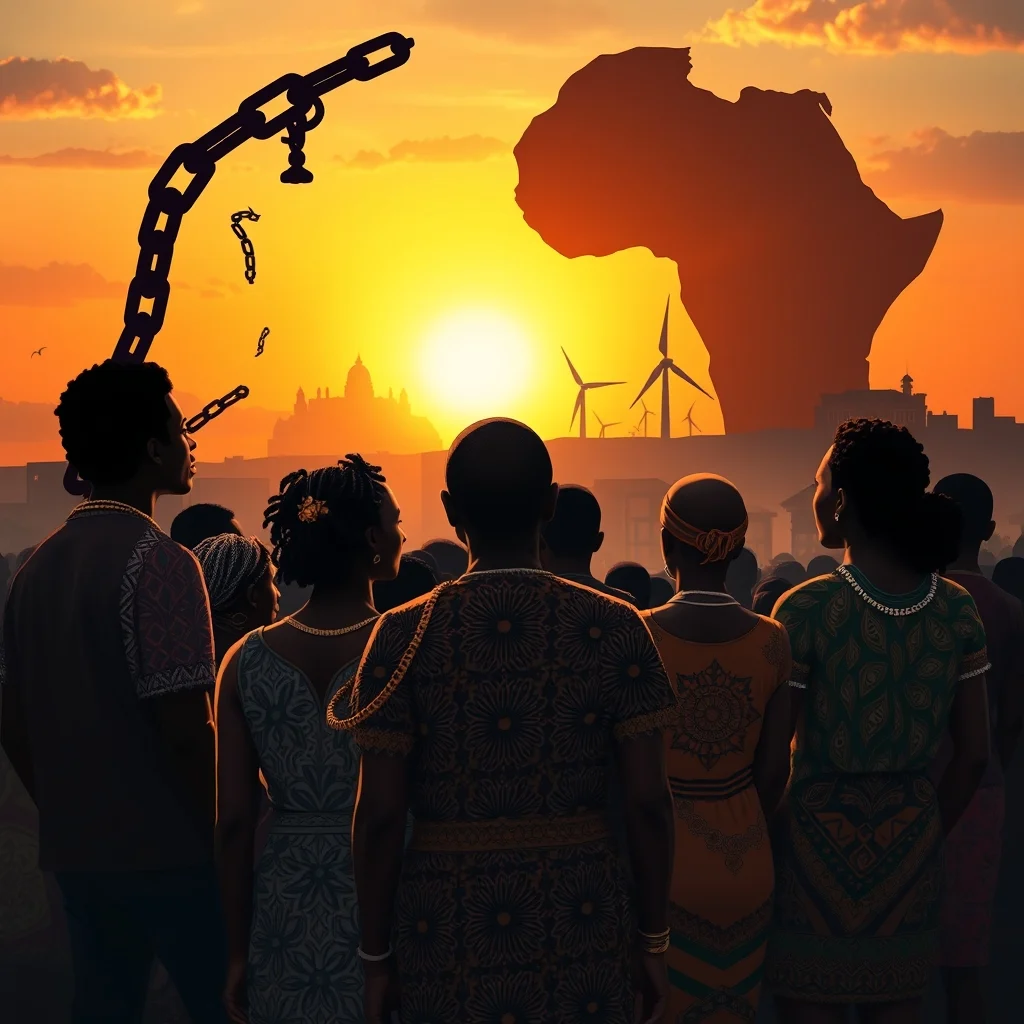
In a historic vote this March, the United Nations General Assembly formally recognized the trafficking of enslaved Africans and racialized chattel slavery as the gravest crime against humanity, with 123 nations in favor. This resolution, while a significant acknowledgment for descendants of enslaved Africans, also calls for reparatory justice, prompting discussions on what such reparations might entail beyond mere remembrance.
A Global Acknowledgment of Historical Injustice
The UN resolution signifies a global institutional acknowledgment of a truth long held by African communities: that the modern world was built upon the exploitation and dehumanization of African bodies. The vote saw strong support, though notable abstentions from key nations like the United Kingdom and all EU member states, alongside dissenting votes from the United States, Israel, and Argentina, highlight the ongoing complexities surrounding this issue.
This moment is particularly significant as it challenges the historical narrative that has often centered Europe and America as the sole arbiters of knowledge and civilization. The resolution implicitly addresses how centuries of Black memory have been marginalized, while the foundations of global economies were laid through the commodification of human lives.
The Precedent of Unpaid Debts
The concept of reparations is further illuminated by historical precedents, such as the abolition of slavery in the British Empire in 1833. Instead of compensating the formerly enslaved, the British government provided a substantial sum of £20 million to slave owners for the loss of their ‘property,’ a debt that was only fully repaid by taxpayers in 2015. Descendants of the enslaved received no such compensation.
This historical disparity underscores the demand for repair, moving beyond acknowledgment to tangible actions. The UN resolution’s call for reparatory justice necessitates a broad understanding of repair, encompassing not only material and economic restitution but also the restoration of sovereignty.
Beyond Monetary Compensation: Restoring Sovereignty
Reparations, as envisioned, extend far beyond financial compensation. While economic restitution is crucial, the concept also encompasses restoring the sovereignty of people and cultures. This includes a comprehensive and truthful teaching of the history of slavery, colonialism, and resistance, acknowledging their profound and ongoing global impact.
Cultural sovereignty involves investing in African archives, museums, languages, and artistic institutions. It also means the return of stolen artifacts and the affirmation of Black identity and dignity worldwide. This cultural restoration aims to dismantle colonial hierarchies that have fostered self-doubt and to nurture knowledge systems rooted in African experiences.
Transforming Economic Relationships
Economic reparations must address the centuries-old extractive relationship between Africa and the rest of the world. The continuous outflow of resources like gold, cocoa, and minerals, while wealth accumulates elsewhere, points to the need for a fundamental transformation of global exchange terms.
This shift implies a move towards fair trade, industrialization, climate justice, technology transfer, and debt reform. The goal is to create economic systems that allow African societies to retain greater value from their production and foster genuine development rather than perpetual dependency.
Knowledge and Relational Repair
Knowledge sovereignty is another cornerstone of reparatory justice. For too long, Africa’s narrative has been defined by external interpretations. Repair means empowering African institutions and intellectuals to generate knowledge from their own realities, fostering research and intellectual traditions that reflect African experiences.
Furthermore, repair necessitates the mending of relationships fractured by the violence of slavery and colonialism. This includes strengthening ties between Africans on the continent and in the diaspora, fostering healing, and reconnecting memory with dignity. It is about restoring a sense of shared humanity and mutual respect.
Ghana’s Role and the Broader Imperative
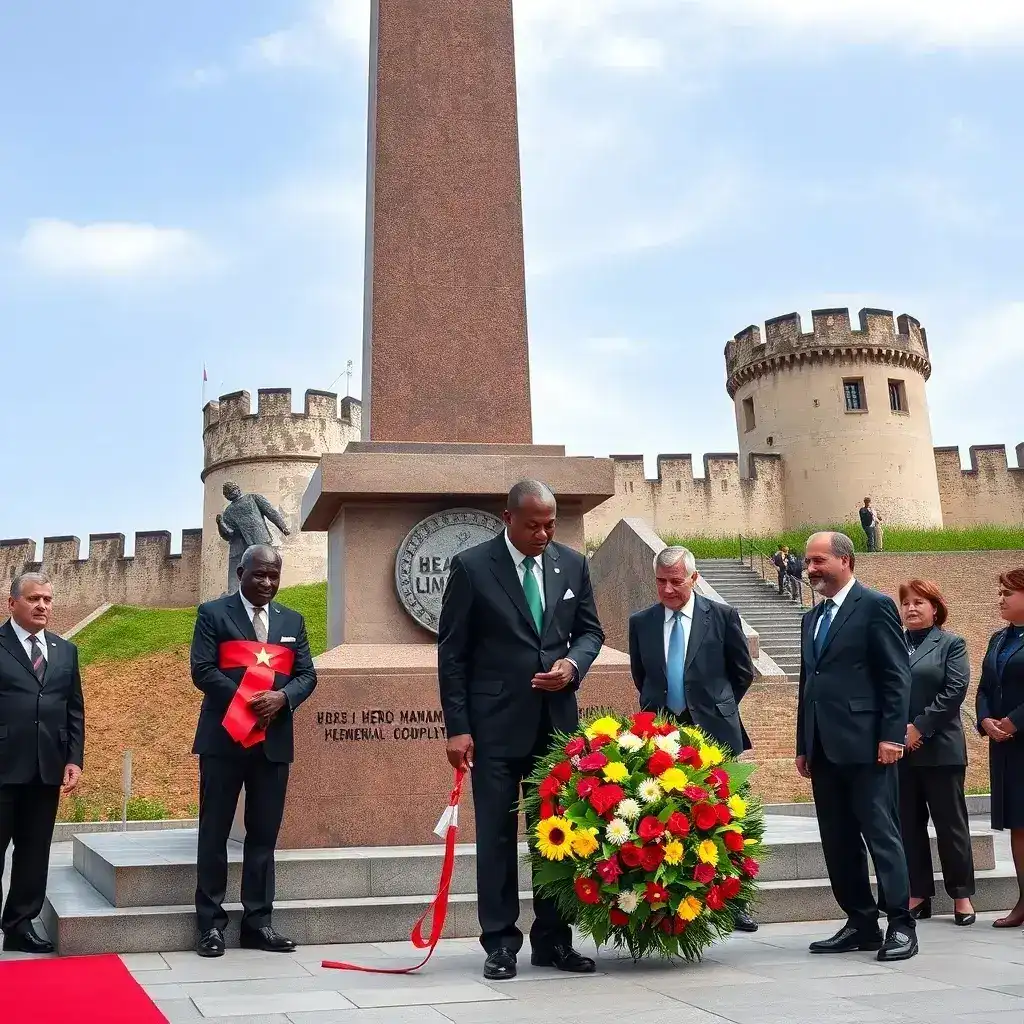
Ghana’s upcoming high-level consultative conference on the resolution’s next steps is symbolically significant, given its history as a major point of departure for enslaved Africans. The nation now aims to be a site of return and dignity, leading a global conversation on repair.
However, the article also raises a critical internal question: a nation cannot advocate for global human dignity while simultaneously enacting exclusionary laws at home. The fundamental struggle against slavery was about affirming the value of all human lives. Therefore, any reparatory vision must be accompanied by a commitment to inclusivity and the recognition of universal human dignity within societies.
Imagining a Repaired Future
Ultimately, reparations are more than just compensation; they are an act of imagination. They involve rebuilding the conditions for human flourishing, restoring dignity, honoring memory, and reclaiming possibility. The UN resolution marks an acknowledgment of history’s grave crimes, but the true test lies in the courage to build a future that embodies truth, justice, and the inclusive freedom and dignity of all.





Leave a Reply