
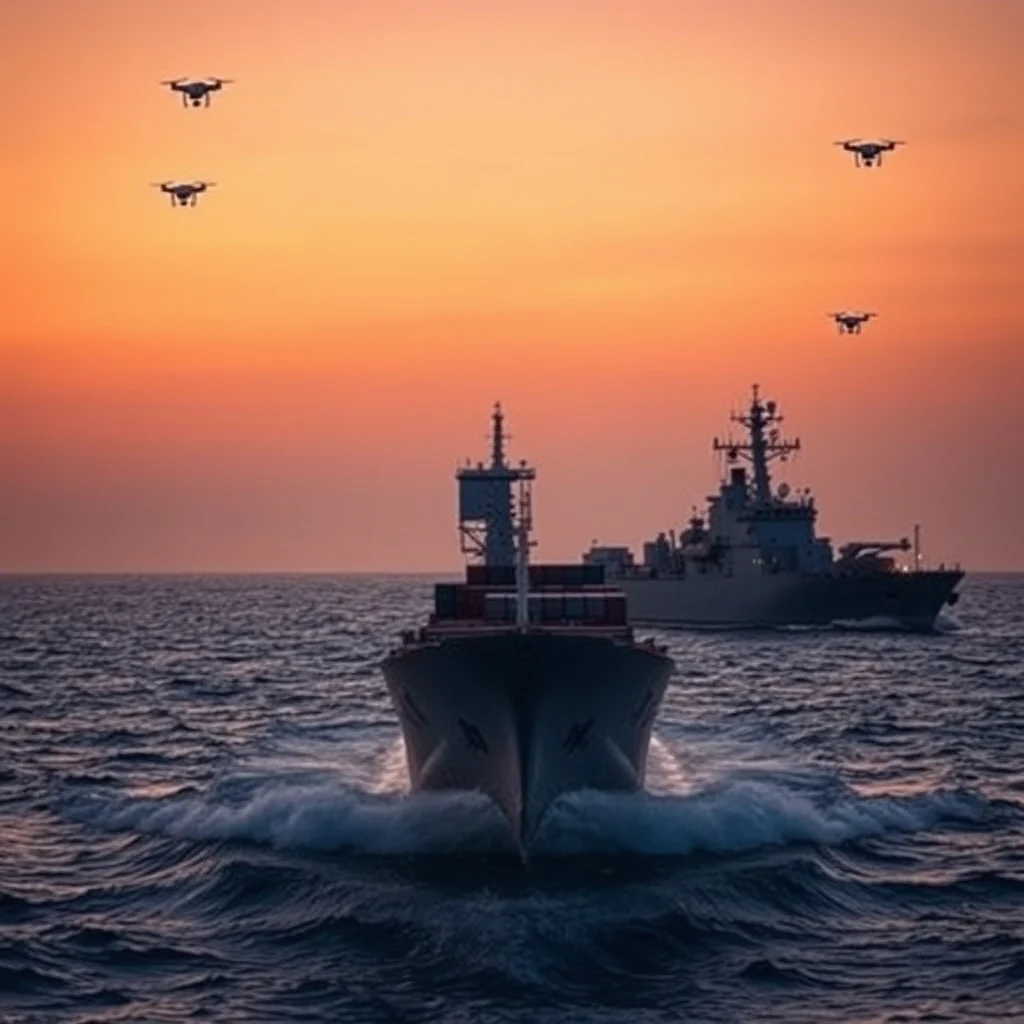
The United States has issued a stern warning to international shipping companies, threatening them with sanctions if they comply with Iran’s demands for tolls to transit the Strait of Hormuz. The alert, released Friday by the US Office of Foreign Assets Control (OFAC), stated that US persons and companies are generally prohibited from making such payments to Iranian government entities, and non-US entities risk exposure to sanctions if they do.
Context of the Strait of Hormuz Dispute
Iran has significantly restricted traffic through the vital Strait of Hormuz since early February, following retaliatory actions after alleged US and Israeli strikes. The US has responded by enforcing a naval blockade on Iranian ports, which Iran has decried as “piracy.” Tehran claims it has been collecting tolls from vessels for safe passage, with a parliamentary official asserting last week that the first toll revenue had been deposited with the Central Bank of Iran. Details regarding the toll amount, collection methods, or specific payers remain unverified by independent sources.
OFAC’s Stance on Payments and Sanctions
OFAC’s advisory explicitly included various forms of payment beyond cash, such as “digital assets, offsets, informal swaps, or other in-kind payments,” and even charitable donations or payments made at Iranian embassies. The agency cautioned that non-US entities could face civil and criminal enforcement actions if their payments facilitate violations of US sanctions by US persons, including insurers and financial institutions.
The US Treasury reiterated its commitment to targeting Iran’s revenue streams. On Friday, the Treasury Department also announced sanctions against three Iranian foreign currency exchange houses accused of converting oil revenue into more accessible currencies. Treasury Secretary Scott Bessent stated the agency would “relentlessly target the regime’s ability to generate, move and repatriate funds, and pursue anyone enabling Tehran’s attempts to evade sanctions.”
Impact on Global Shipping and Aid Delivery
The blockade, initiated on April 13, has reportedly forced approximately 45 commercial ships to turn around since its inception, according to US Central Command (Centcom). Typically, around 3,000 ships transit the Strait of Hormuz monthly; however, this number has drastically reduced to only a few vessels per day. The Strait is a critical artery for the global supply of oil and other essential goods, including food, medicine, and technology.
The disruption has had cascading effects, particularly on humanitarian aid. The UNHCR, the UN refugee agency, reported that the closure of key maritime routes necessitates longer and more costly alternative shipping paths. This has doubled the cost of delivering aid to regions like Sudan, adding an extra 25 days to transit times by rerouting around the Cape of Good Hope. While the UNHCR has adapted by using land corridors and rerouting sea cargo, it warned that persistent instability in the Middle East could further constrain humanitarian operations due to rising costs, delays, and limited transport capacity.
Diplomatic Stalemate and Future Outlook
A fragile ceasefire between the US and Iran began on April 8, leading to ongoing talks. However, a long-term resolution remains elusive. Iran reportedly submitted a peace proposal to mediators in Pakistan on Thursday night, according to Iran’s IRNA news agency. US President Donald Trump expressed skepticism about the proposal, stating he was “not excited” and indicating that Iran was asking for terms he could not accept. Trump cited Iran’s diminished military capacity and a perceived “disjointed leadership” as reasons for his reservations.
The conflict escalated in February after wide-ranging strikes by the US and Israel against Iran, which Tehran denied was in pursuit of a nuclear weapon. Iran retaliated with attacks on Israel and US-allied Gulf states. The US briefing on options for Iran ranged from military action to negotiation, reflecting the complex geopolitical landscape.
Implications for Maritime Trade and Geopolitics
The US’s aggressive stance on sanctions and its enforcement of the blockade signal a determined effort to cripple Iran’s economy and its ability to fund regional activities. This heightened tension directly impacts global shipping routes, increasing operational costs and transit times for businesses and humanitarian organizations alike. The effectiveness of these sanctions will depend on international cooperation and Iran’s ability to circumvent them. The ongoing diplomatic efforts, coupled with the persistent threat of military escalation, suggest that the situation in the Strait of Hormuz remains volatile and will require careful navigation by all parties involved. The coming weeks will be crucial in determining whether dialogue can overcome escalating tensions and whether the international community can ensure the unimpeded flow of vital trade and humanitarian aid through this critical waterway.










Leave a Reply