
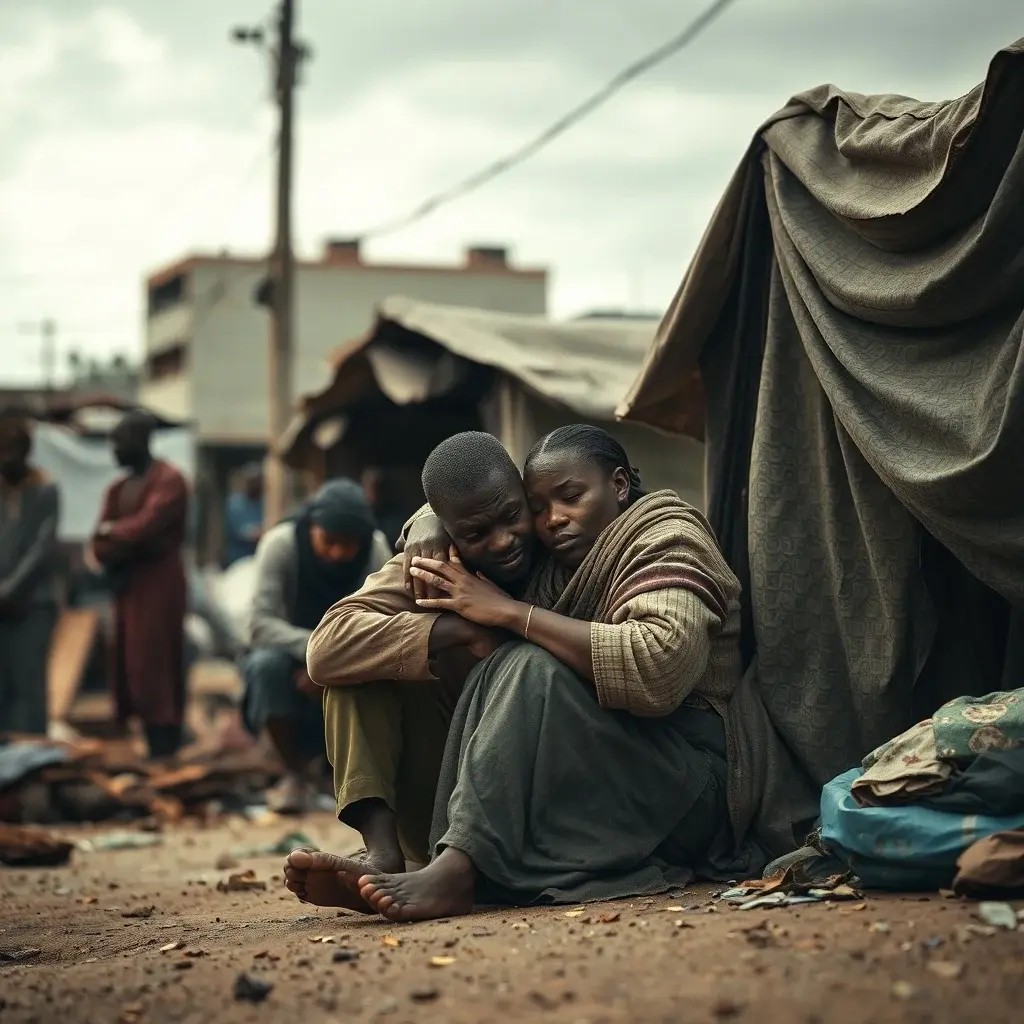
The West African Journalists for Environment Science Health and Agriculture (WAJESHA) has strongly condemned the ongoing xenophobic attacks against Africans in South Africa, issuing a stark warning that the violence is escalating into a significant public and mental health crisis across the continent. The condemnation, detailed in an official statement signed by WAJESHA’s Editor-in-Chief Aminu Adamu Ahmed, highlights the attacks as not only a human rights violation but a direct threat to the health and well-being of individuals and communities throughout Africa.
Growing Health Concerns Amidst Existing Burdens
Africa already grapples with substantial challenges including poverty, disease, climate change, and food insecurity. WAJESHA emphasizes that xenophobic violence adds an unnecessary and cruel burden, forcing fellow Africans to face hatred and rejection. The organization voiced particular concern over the profound mental and psychological toll on victims, who endure constant fear, displacement, and uncertainty.
“We are deeply troubled by the mental and psychological damage these attacks are inflicting on victims. Fear, trauma, displacement, and loss are not small things. They leave scars that last long after the violence ends,” the statement read.
Expert Warnings on Health Impacts
Public health experts concur with WAJESHA’s assessment, warning that exposure to violence and forced displacement significantly elevates the risk of developing conditions such as Post-traumatic stress disorder (PTSD), depression, anxiety disorders, and substance abuse. Furthermore, displaced populations frequently encounter substantial barriers in accessing essential healthcare services.
This lack of access increases their vulnerability to infectious diseases and exacerbates existing chronic health conditions. WAJESHA noted that these attacks occur at a time when many African nations are already struggling with rising rates of non-communicable diseases, widespread mental health challenges, and fragile healthcare systems.
Undermining Social Cohesion and Regional Health Security
The organization stressed that the victims are not outsiders but fellow Africans, asserting that attacking them is an attack on the entire continent. WAJESHA warned that xenophobic violence not only fractures social cohesion but also jeopardizes regional health security. The fear and instability generated by these attacks disrupt access to medical care, weaken already strained health systems, and deplete limited resources.
“Beyond the human cost, these attacks poison the political and economic relationships that bind our region together,” the statement added.
Violence-driven displacement often leads to overcrowded living conditions, inadequate sanitation, and restricted access to clean water. These factors are known to heighten the risk of disease outbreaks and contribute to long-term health complications for affected populations.
Call for Urgent Intervention and Public Health Response
WAJESHA has called for immediate and decisive action from South African authorities to protect all residents and halt further violence. “It is the duty of any responsible government to protect all people within its borders. We urge South African authorities to bring perpetrators to justice and deploy every available resource to stop the violence,” the statement urged.
Beyond law enforcement, WAJESHA highlighted the critical need for a robust public health response. This includes providing trauma support services, implementing community-based mental health interventions, and ensuring inclusive healthcare access for all affected populations, regardless of their origin.
The group also implored civil society organizations, religious leaders, and the media to actively speak out against the attacks and champion social cohesion. “Silence in the face of injustice is not neutrality. It is permission,” Aminu Adamu Ahmed stated.
Looking Ahead: Long-Term Consequences
WAJESHA cautioned that the repercussions of xenophobia extend far beyond the immediate physical violence. The attacks have profound implications for long-term health outcomes, regional stability, and the continent’s collective progress. The organization concluded by emphasizing the interconnectedness of health and peace, stating, “Our health as a region, politically, economically, and in every other sense depends on peace. It depends on solidarity.” The ongoing situation demands sustained attention to both immediate safety and the long-term health and social integration of displaced and affected communities.










Leave a Reply