
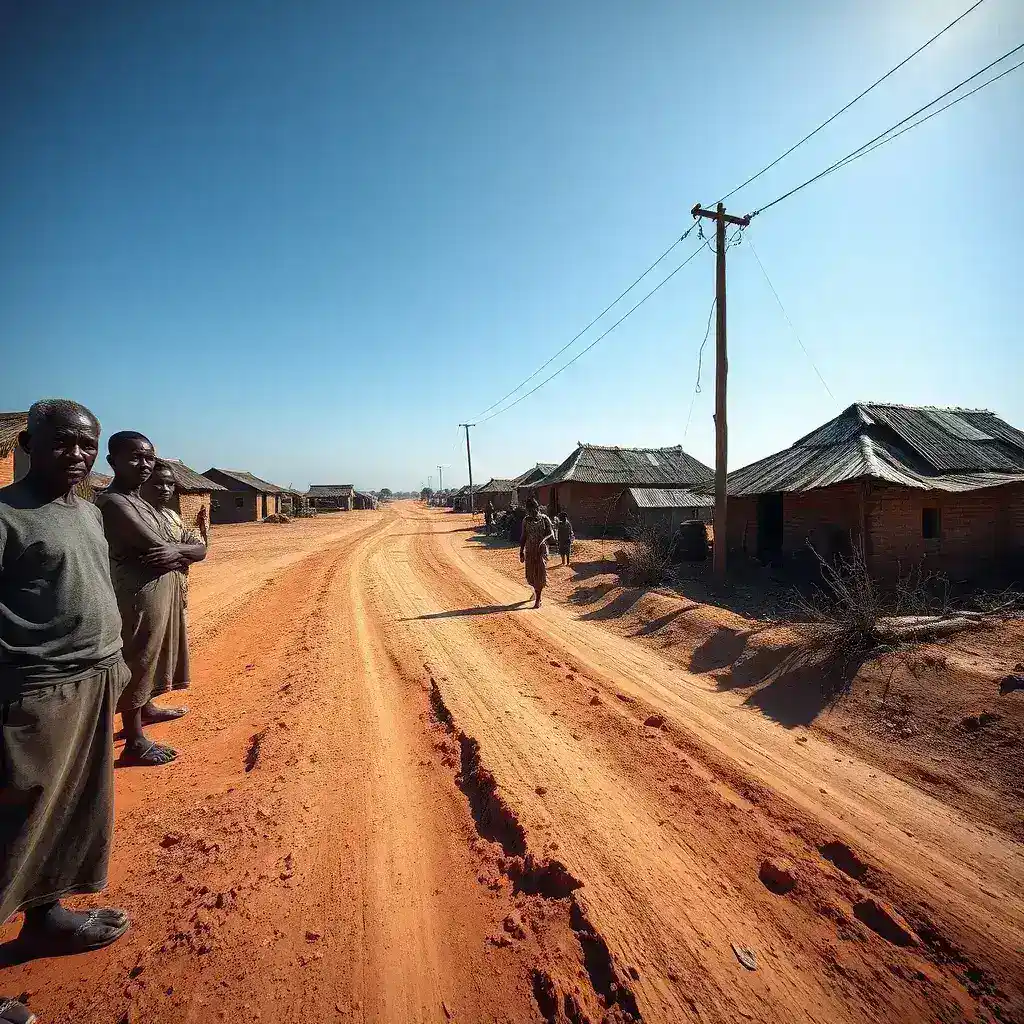
Yazori Ekumpo, the Chief of Yazori in Ghana’s North Gonja District of the Savannah Region, has warned of a potential election boycott by his community if immediate action is not taken to address persistent underdevelopment and neglect. The threat comes after years of frustration over the lack of basic amenities, despite the community’s consistent participation in electoral cycles.
Years of Unmet Promises and Basic Needs
Chief Ekumpo voiced his community’s deep-seated frustration in an exclusive interview, questioning what more Yazori residents must do to receive essential services due to them as Ghanaian citizens. He lamented the absence of fundamental amenities, including adequate roads, reliable electricity, accessible healthcare, and stable telecommunications networks.
The chief directly challenged government officials, including the Member of Parliament (MP) and District Chief Executive (DCE), to openly state if Yazori is being excluded from national development plans. This sentiment is echoed by many residents who feel disconnected and disillusioned by the ongoing lack of progress.
Tragic Consequences of Poor Infrastructure
The severity of the infrastructure deficit was highlighted by tragic incidents, particularly involving maternal healthcare. Chief Ekumpo recounted the recent death of a pregnant woman and her unborn child, who died en route to a health facility in Murugu due to the deplorable state of the roads.
The poor road network critically hinders emergency response, making it difficult for ambulances to reach the community. Residents are forced to rely on precarious and time-consuming alternative transport during medical emergencies, leading to preventable deaths.
Community Leaders Amplify Concerns
Abdul Kadir Alhassan, the Assembly Member for the Kpulumbo Electoral Area, corroborated the chief’s concerns, describing the situation as dire and life-threatening. He identified poor roads, lack of electricity, and weak mobile connectivity as major impediments to development and severely compromised emergency services.
Furthermore, the lack of essential infrastructure discourages qualified professionals from serving in the area. Alhassan noted that many teachers refuse postings to Yazori due to the hardships and isolation associated with the underdeveloped conditions.
Resident Frustration and Disillusionment
Bakari Bonjua, a 40-year-old resident, expressed the widespread frustration stemming from repeated political neglect. He highlighted how electoral promises made by politicians often go unfulfilled after votes are cast.
Bonjua also pointed to the significant impact of unemployment among young graduates and the limitations imposed by the absence of electricity and network connectivity. These deficiencies restrict access to information, job opportunities, and vital communication channels.
For women in Yazori, the struggles are particularly acute. Dramani Sofia shared her painful experience of witnessing the death of a pregnant woman who could not reach medical care in time, a stark reminder of the community’s ongoing challenges.
Healthcare Services Severely Hampered
Nurse Jacob Ansah detailed how the lack of electricity directly impacts healthcare delivery. “We don’t work during the night irrespective of the cases before us because there are no lights and that’s the real situation here,” he stated, emphasizing the urgent need for official intervention.
He explained that even the existing weak solar systems are insufficient, and essential medical supplies are at risk due to equipment failures and inadequate storage conditions resulting from power shortages.
Official Response and Future Outlook
While acknowledging the challenges, the District Chief Executive for North Gonja, Abdulai Nashiru, disputed claims of outright neglect. He mentioned that electricity projects have previously extended towards the area and pointed to past road construction efforts in surrounding communities, while admitting that some road sections have deteriorated.
Nashiru indicated that the Highway Authority has been engaged to assess and address the damaged road network, with rehabilitation plans in progress. Additionally, representatives for the MP and local authorities stated that efforts are underway with GIFEC to improve electricity and connectivity in the coming weeks and months.
Despite these assurances, the community’s patience is wearing thin. The ongoing reliance on basic, often unreliable, infrastructure continues to affect the dignity, survival, and inclusion of Yazori residents. The upcoming electoral cycle will likely test the government’s commitment to addressing these long-standing development deficits in the Savannah Region.










Leave a Reply