
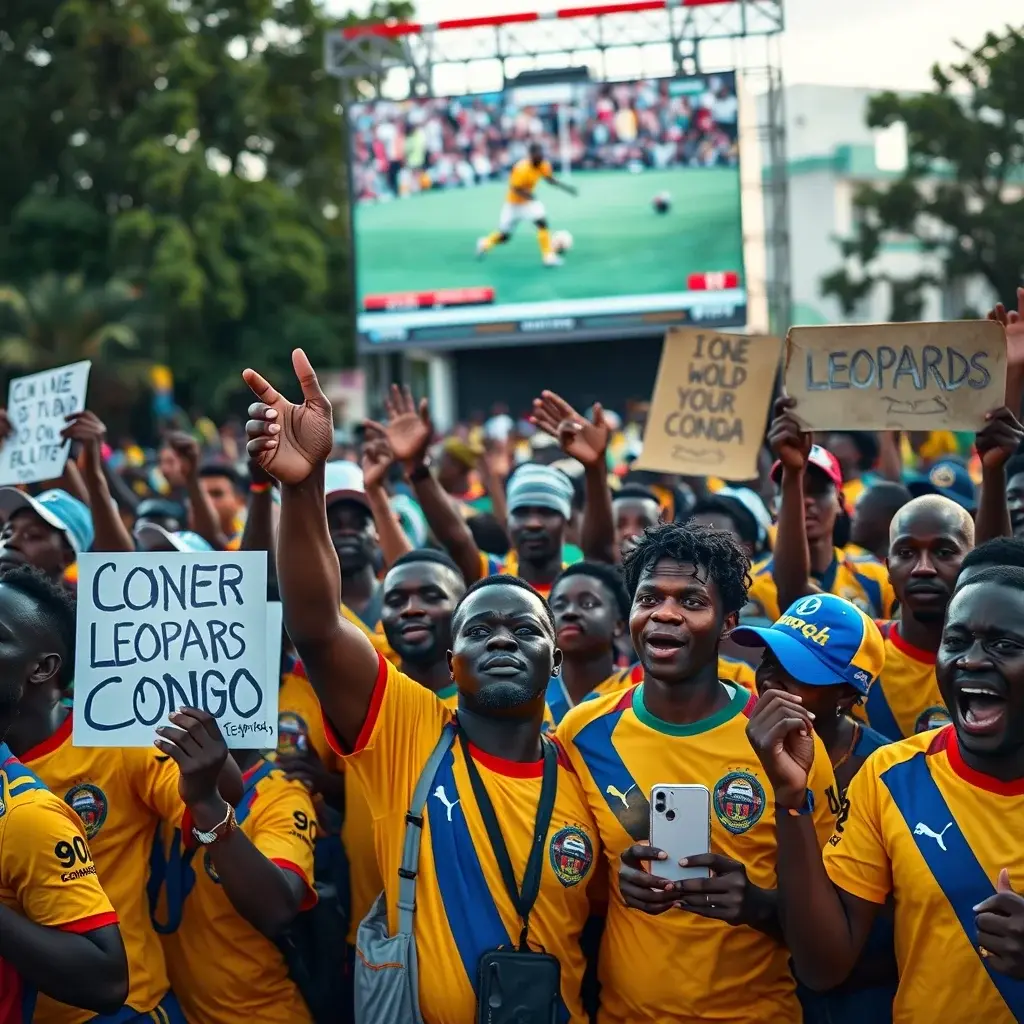
The Democratic Republic of Congo (DRC) football federation has formally requested FIFA to provide refunds for 2026 World Cup tickets purchased by fans who now face entry bans into the United States due to Ebola-related travel restrictions. This situation impacts supporters eager to witness the Leopards’ first World Cup appearance since 1974, as a public health emergency declared by the World Health Organisation (WHO) on May 16th complicates international travel.
Ebola Outbreak Complicates Fan Travel
The current Ebola outbreak has resulted in over 900 suspected cases and 223 suspected deaths, with the vast majority concentrated in the DRC. In response, the US embassy in Kinshasa has suspended visa services, and the United States has implemented a ban on non-American nationals who have recently traveled through the DRC, Uganda, or South Sudan within the past 21 days. These measures, though not officially advised by the WHO for broad travel restrictions, directly affect Congolese fans hoping to support their national team.
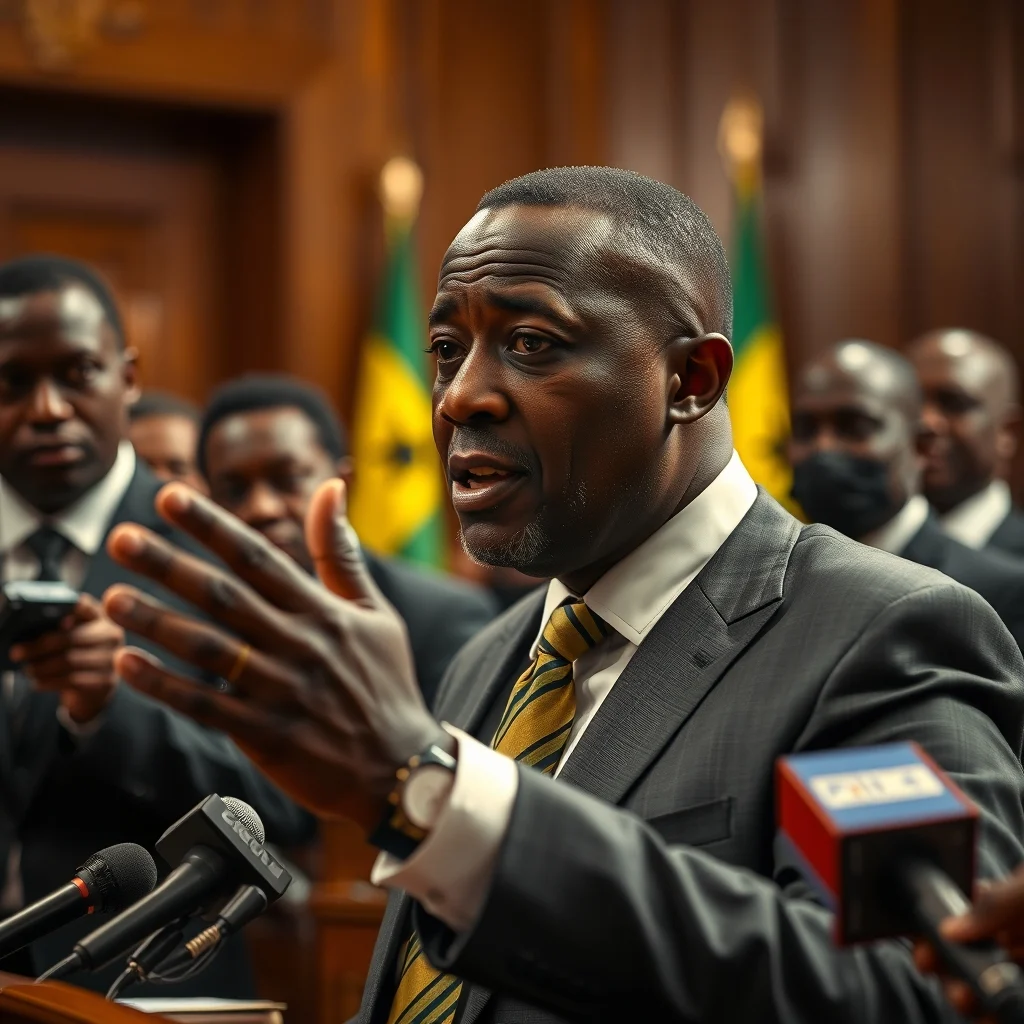
Veron Mosengo-Omba, president of the DR Congo Football Federation (Fecofa), expressed concern over the financial burden on fans. “We asked Fifa if it is possible to take this into consideration, because the tickets are a little bit expensive,” Mosengo-Omba told BBC Sport Africa. He emphasized that fans should not be penalized for circumstances beyond their control, stating, “We don’t want our supporters who love football, who love the World Cup, to lose everything.”
High Ticket Costs and FIFA’s Policy
Tickets for the 2026 World Cup, co-hosted by the US, Canada, and Mexico, are significantly more expensive than in previous tournaments, with some prices reportedly seven times higher than for the 2022 event due to FIFA’s dynamic pricing model. FIFA’s standard policy typically does not offer refunds for purchased tickets, instead allowing for resale or transfers, reserving refunds for exceptional cases like match cancellations. FIFA has stated it will “look into it in due course” regarding Fecofa’s request.
The DRC’s opening Group K match against Portugal is scheduled for June 17th in Houston. To comply with US entry regulations, any fans traveling directly from the DRC would have needed to depart by Tuesday. Consequently, many Congolese supporters are now expected to redirect their travel plans to Mexico, where the Leopards will play their second group fixture against Colombia in Guadalajara. The team’s final group game is in Atlanta, USA, with fans hoping the team can advance to a potential last-32 tie in Toronto, Canada.
Team Operations Unaffected, Training Camp Relocated
Despite the fan travel challenges, the DR Congo national team itself is not directly affected by the US entry restrictions. The 26-player squad and most of the technical staff are based outside the DRC. Team officials originating from the DRC have already departed the country to adhere to the mandatory 21-day quarantine period required for entry into the US. The Leopards were forced to cancel a pre-tournament training camp in Kinshasa and have instead convened in Belgium for friendly matches before heading to their base in Texas.
A Historic Return Amidst Health Concerns
DR Congo’s qualification marks a significant moment, ending a 52-year World Cup drought since their appearance as Zaire in 1974. Fecofa President Mosengo-Omba views this return as a “resurrection of football in this country,” aiming to provide a distraction from national problems and urging the team to reach the second round. Mosengo-Omba, recently elected Fecofa president after a tenure at the Confederation of African Football (Caf), aims to build a strong foundation for Congolese football.
Mosengo-Omba also addressed global perceptions of the Ebola outbreak, urging calm and dispelling misinformation. “The world doesn’t need to be afraid,” he stated, highlighting the DRC’s extensive experience in combating the disease. However, this particular outbreak is caused by the rare Bundibugyo viral strain, for which no vaccine is currently available, making treatment more challenging. Factors such as community distrust and ongoing armed conflict in eastern DRC have further complicated containment efforts, casting a shadow over this long-awaited footballing achievement.
Looking Ahead
The situation highlights the complex interplay between international sporting events, public health crises, and geopolitical travel policies. As FIFA deliberates on Fecofa’s refund request, the focus will remain on how these travel restrictions might evolve and whether alternative solutions can be found to allow fans to support their team. The success of containment efforts for the Bundibugyo Ebola strain will also be critical in determining future travel advisories and their impact on international gatherings.




Leave a Reply