
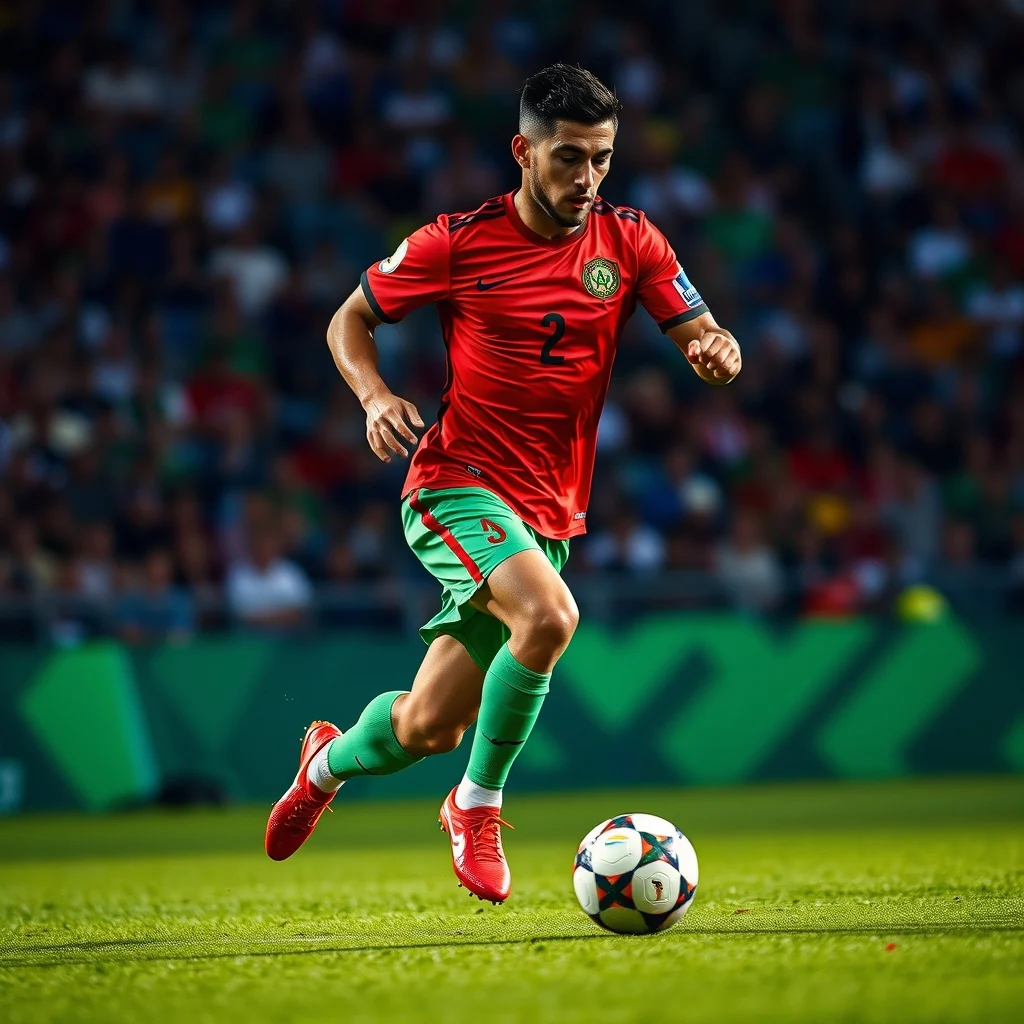
Morocco’s national football team, the Atlas Lions, has named Paris Saint-Germain star Achraf Hakimi in their squad for the upcoming international tournament, despite the defender nursing an injury sustained in late April. The 27-year-old full-back’s inclusion raises questions about his immediate availability and fitness for the crucial opening matches.
Context of Hakimi’s Injury and Squad Selection
Hakimi has been sidelined since the Champions League semi-final first-leg match against Bayern Munich on April 28. His absence has been keenly felt by his club, PSG. Despite the layoff, Hakimi was recently pictured participating in training sessions as his team prepared for the Champions League final, suggesting a potential return to action.
The Moroccan squad features a mix of established European-based talent and emerging players. Notable inclusions alongside Hakimi are Manchester United defender Noussair Mazraoui, Fulham’s Issa Diop, Crystal Palace’s Chadi Riad, Sunderland’s Chemsdine Talbi, and Real Madrid’s Brahim Diaz.
Other experienced players making the cut include former West Ham defender Nayef Aguerd, Sofyan Amrabat, who previously played for Manchester United, and ex-Leicester midfielder Bilal El Khannouss. However, former Chelsea winger Hakim Ziyech has been notably left out of the squad.
Morocco’s Recent Performance and Tournament Outlook
Morocco currently holds the eighth position in the FIFA rankings. The Atlas Lions achieved a historic semi-final finish at the 2022 World Cup in Qatar, where they were ultimately defeated by France.
The team’s recent history also includes a controversial victory in last year’s Africa Cup of Nations. Their win was declared after Senegal’s triumph was overturned due to a walk-off during the final match.
Looking ahead, Morocco has been drawn into Group C for the upcoming tournament. Their group stage opponents include Scotland, Brazil, and Haiti. Their opening match is scheduled against Scotland on June 19.
Full Morocco Squad List
Goalkeepers: Yassine Bounou (Al Hilal), Munir Mohamedi (RS Berkane), Ahmed Tagnaouti (Royal Armed Forces)
Defenders: Noussair Mazraoui (Manchester United), Anass Salah-Eddine (PSV Eindhoven), Youssef Belammari (Al Ahly), Nayef Aguerd (Marseille), Chadi Riad (Crystal Palace), Issa Diop (West Ham United), Redouane Halhal (KV Mechelen), Achraf Hakimi (Paris St-Germain), Zakaria El Ouahdi (Genk)
Midfielders: Samir El Mourabet (Strasbourg), Ayyoub Bouaddi (Lille), Neil El Aynaoui (Roma), Sofyan Amrabat (Real Betis), Azzedine Ounahi (Girona), Bilal El Khannouss (Stuttgart), Ismael Saibari (PSV Eindhoven)
Forwards: Abdessamad Ezzalzouli (Real Betis), Chemsdine Talbi (Sunderland), Soufiane Rahimi (Al Ain), Ayoub El Kaabi (Olympiacos), Brahim Diaz (Real Madrid), Yassine Gessime (Strasbourg), Ayoub Amaimouni-Echghouyabe (Eintracht Frankfurt)
Implications for Morocco and Their Opponents
Hakimi’s inclusion, despite his fitness concerns, signals Morocco’s intent to field their strongest possible squad. His dynamic presence on the right flank is a critical component of their attacking strategy. If he can recover sufficiently, his contribution could be pivotal to their success in the tournament.
However, his potential limited availability due to the injury could force coach Walid Regragui to adapt tactics or rely more heavily on other players. This situation will be closely monitored by opposing teams, who might seek to exploit any perceived weakness in Morocco’s defense or midfield.
The performance of the Atlas Lions will be under scrutiny, especially following their impressive World Cup run. Their group, featuring strong contenders like Brazil and a resilient Scotland side, presents a significant challenge. The team’s ability to manage Hakimi’s fitness and integrate new and returning players will be key factors determining their progress.
Fans and analysts will be watching to see how quickly Hakimi can regain match fitness and if his inclusion proves to be a calculated risk or a potential detriment to the squad’s overall balance. The early matches in Group C will offer the first indications of Morocco’s form and their capacity to navigate these challenges.










Leave a Reply