
Accra, Ghana – The Minority in Parliament has publicly questioned the Bank of Ghana’s (BoG) decision to suspend a proposed 0.75% charge on direct wallet-to-bank transfers, challenging the central bank’s justification of “further consultation.” The levy, initially slated to commence on June 1st, was halted following widespread public criticism and stakeholder concerns.
Background of the Proposed Levy
The intended 0.75% fee was set to apply to all direct transfers from mobile money wallets to bank accounts. Such a charge would have impacted a significant volume of financial transactions in Ghana, where mobile money has become a dominant payment and transfer system.
The Bank of Ghana’s announcement of the levy’s suspension came after considerable public outcry and engagement from various financial sector players. The central bank stated that the suspension was necessary to allow for “further consultation” with stakeholders.
Minority Leader’s Concerns
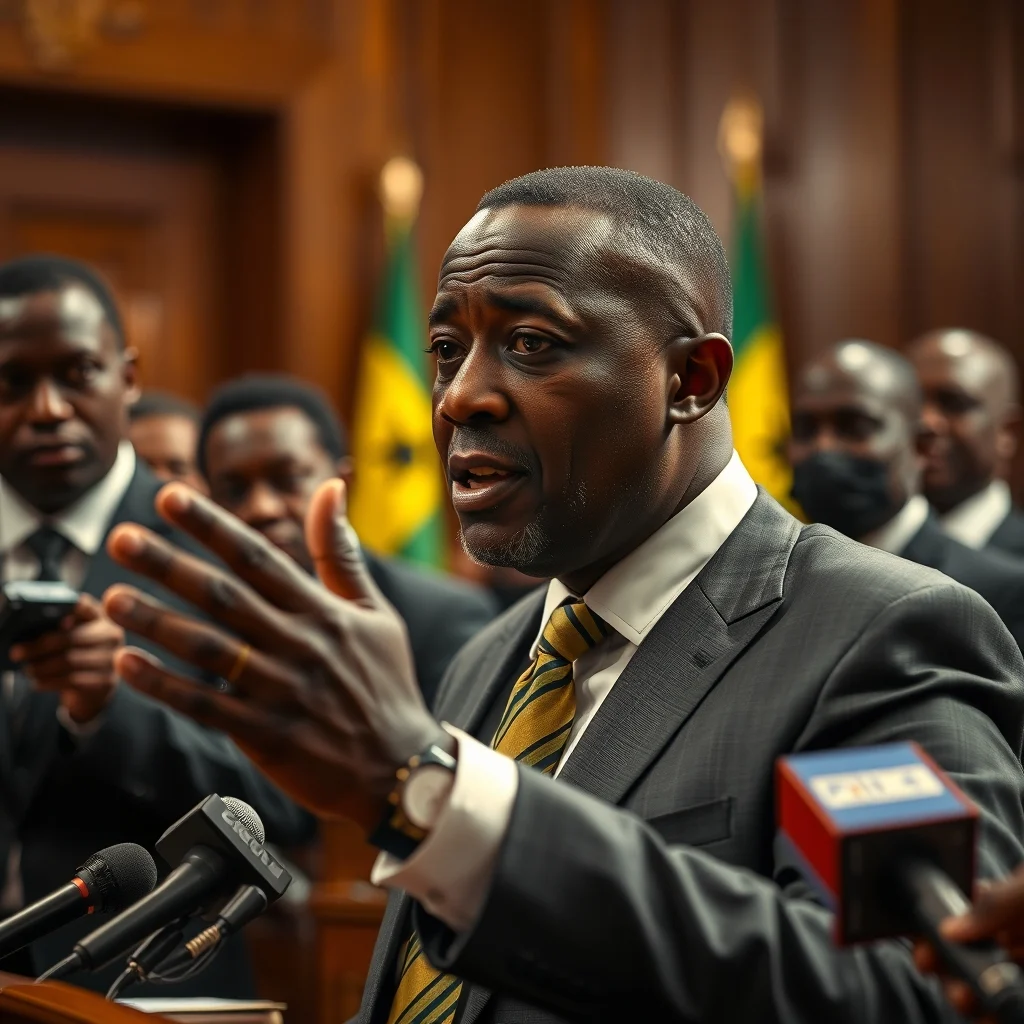
Addressing a press conference on Tuesday, May 26th, Minority Leader Alexander Afenyo-Markin voiced strong objections to the BoG’s explanation. He argued that the “further consultation” rationale contradicted previous assurances from the central bank regarding robust stakeholder engagement and parliamentary oversight for significant policy changes.
“They [BoG] are now purporting to say that they have suspended the levy. Meanwhile, they earlier put out a public notice that from the 1st of June, transactions from bank accounts to the wallet would attract a 0.75% fee on direct wallet-to-bank transfers,” Afenyo-Markin stated.
He further questioned the necessity of further consultation when, in his view, the policy should have undergone thorough parliamentary scrutiny from its inception. “The question is, for what further consultation in this context? Were these not the same people who went in the election, claimed that there must be constructive consultation before any policy is introduced and implemented? So what has changed?” he queried.
Calls for Parliamentary Engagement
The Minority Leader emphasized that fiscal measures with direct implications for citizens’ financial well-being and income should be subject to full parliamentary debate and approval. He insisted that introducing such a charge and then suspending it after public outcry bypasses the established legislative process.
Afenyo-Markin called for the Minister of Finance to appear before Parliament. He seeks a comprehensive explanation regarding the development, communication, and subsequent suspension of the proposed mobile money transfer charge. The focus, he stressed, is not merely on the suspension but on understanding the procedural irregularities that led to the levy’s initial announcement without adequate parliamentary engagement.
Broader Implications for Financial Policy
The controversy highlights ongoing tensions between regulatory bodies, the government, and the legislature concerning the introduction of financial policies, particularly those affecting digital financial services. Mobile money is a critical component of Ghana’s financial inclusion strategy, and any charges imposed on its use can have a significant ripple effect.
The public’s reaction underscores a growing demand for transparency and accountability in policy formulation. Stakeholders, including consumers and industry players, expect clear communication and due process before new financial regulations are implemented.
Looking Ahead
The Minority’s demand for a parliamentary explanation sets the stage for a potential debate on the Bank of Ghana’s policy-making procedures. Observers will be watching to see if this incident leads to a more formalized consultation process for future financial levies and whether Parliament will assert a stronger role in overseeing such measures. The central bank’s next steps in engaging with stakeholders and potentially reintroducing revised policies will be crucial.










Leave a Reply