
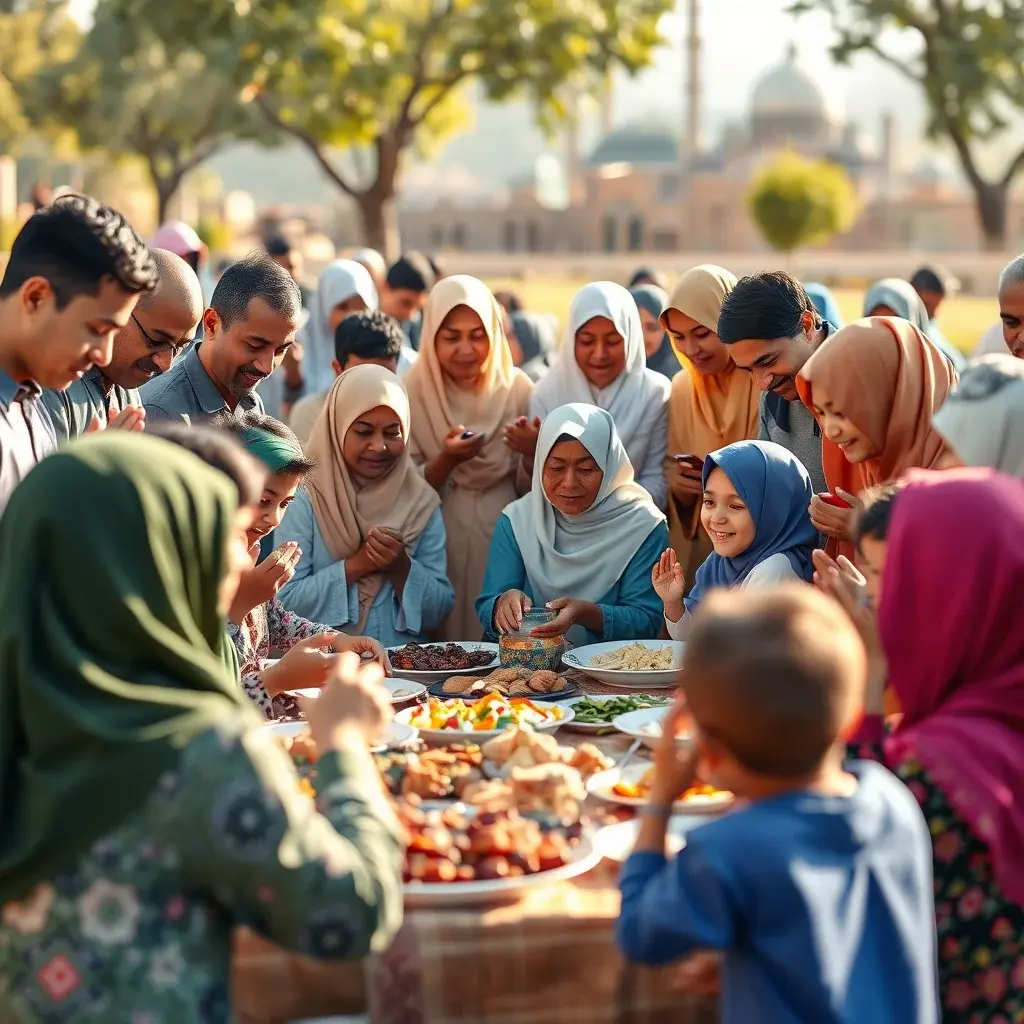
The spiritual importance and enduring relevance of Islam’s two major festivals, Eid al-Fitr and Eid al-Adha, were thoroughly explored in the recent episode of ‘Behind The Lens with Queen Liz.’ Hosted by Elizabeth Essuman, the program featured Islamic apologist UTI Dawah, who provided in-depth insights into these significant observances.
Core Principles of Eid Celebrations
The discussion revealed that both Eid celebrations are fundamentally rooted in the core Islamic principles of gratitude, charity, compassion, and communal unity. These festivals serve as crucial pillars in the Muslim faith, reinforcing shared values and community bonds.
Eid al-Fitr: The Festival of Breaking the Fast
Eid al-Fitr marks the joyous conclusion of Ramadan, the holy month of fasting observed by Muslims worldwide. This year, Ramadan reportedly commenced on Wednesday, February 18, 2026, and concluded on Friday, March 20, 2026, leading directly into the Eid al-Fitr festivities.
Traditionally, Eid al-Fitr is a time of immense celebration. It is characterized by special prayers, shared feasts with family and friends, and significant acts of charity. The festival is largely associated with giving thanks after a month of spiritual reflection and fasting.
Eid al-Adha: The Festival of Sacrifice
In contrast, Eid al-Adha, widely known as the “Festival of Sacrifice,” is a deeply reflective period. It commemorates Prophet Ibrahim’s profound willingness to sacrifice his son as an act of unwavering obedience to Allah. This year, the festival began on the evening of Tuesday, May 26, 2026, and is expected to conclude on Saturday, May 30, 2026.
Eid al-Adha coincides with the annual Hajj pilgrimage, one of the Five Pillars of Islam. The festival places a strong emphasis on faith, the spirit of sacrifice, generosity, and providing support for the less privileged members of society. It is a time for devotion and empathy.
Distinctions and Shared Messages
While both occasions are marked by prayer and celebration, the episode highlighted key distinctions. Eid al-Fitr is primarily a celebration of thanksgiving following a period of intense spiritual discipline. Eid al-Adha, however, centres on sacrifice, deep reflection, and unwavering devotion to God.
Despite their differences, both festivals powerfully underscore Islam’s broader message of compassion, empathy, and the promotion of unity among all humanity. These messages transcend religious backgrounds, emphasizing universal human values.
Looking Ahead
The insights shared on ‘Behind The Lens with Queen Liz’ offer a valuable perspective for understanding these significant Islamic holidays. As Muslims worldwide continue to observe these festivals, the underlying themes of gratitude, sacrifice, and community remain central. Future observances will likely continue to highlight the importance of these values in contemporary society, fostering interfaith understanding and reinforcing the pillars of compassion and unity within global communities.










Leave a Reply