
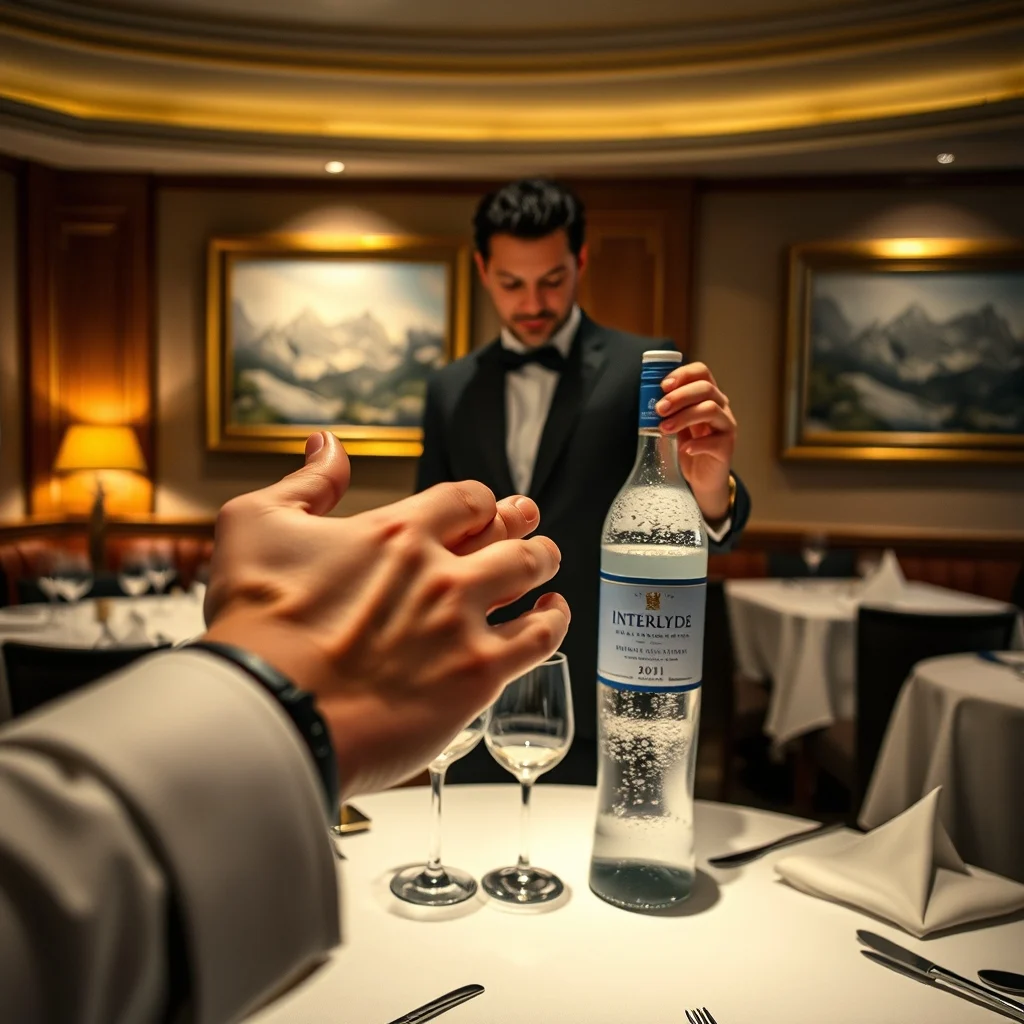
Italy’s highest court has ruled that a five-star hotel in the Dolomites acted lawfully when it refused to provide tap water to a tourist during the 2019 ski season. The ruling came after a woman sought compensation for emotional distress and economic damage after being offered only bottled water at the Hotel Sassongher in Corvara.
Legal Precedent and Consumer Rights
The tourist argued that water is a universal human right and that refusing tap water violated her consumer rights. She contended that providing tap water should be a fundamental part of hotel service, comparable to providing a bed or bathroom soap.
However, the Italian Supreme Court dismissed her claim for €2,700 in damages. The court held that there is no legal obligation for hospitality venues in Italy to supply tap water to guests. The decision to offer tap water, or to only serve bottled options, rests with the individual establishment.
Background of the Case
The incident occurred at the restaurant of the five-star Hotel Sassongher in Corvara, a popular ski resort in Italy’s Dolomite mountains. The woman was reportedly offered €7 bottled mineral water when she requested tap water.
She initially filed her claim in a lower court in Rome before it reached the Supreme Court. Her identity has not been confirmed by media reports.
Expert and Comparative Perspectives
Silvio Belardi, the lawyer representing Hotel Sassongher, stated that the court’s decision affirmed there is no obligation to supply tap water. This ruling contrasts with regulations in other countries, such as licensed venues in England and Wales, which are legally required to serve free drinking water upon request.
The lack of a legal mandate in Italy means that tourists seeking tap water may face similar situations at other establishments. The decision underscores the discretion afforded to hotels and restaurants regarding the provision of basic amenities.
Implications for Tourists and the Hospitality Industry
This ruling has significant implications for tourists traveling in Italy. Visitors should be aware that tap water may not be freely offered and that they may be expected to purchase bottled water, even in high-end establishments. This could lead to unexpected costs, particularly for longer stays or for those who consume water frequently.
For the hospitality industry in Italy, the ruling provides clarity on their obligations concerning water provision. It allows hotels and restaurants to set their own policies without legal repercussions, potentially influencing their pricing strategies and service offerings.
Travelers planning trips to Italy might consider carrying reusable water bottles and checking local regulations or hotel policies in advance. The case highlights a divergence in consumer protection laws regarding basic necessities across different European nations.
What to Watch Next
It remains to be seen whether this ruling will prompt any changes in Italian consumer protection laws or industry practices. Consumers may advocate for clearer regulations, and tourist organizations might issue advisories. The long-term impact on tourist expectations and the operational choices of Italian hospitality businesses will be a key area to monitor.










Leave a Reply