
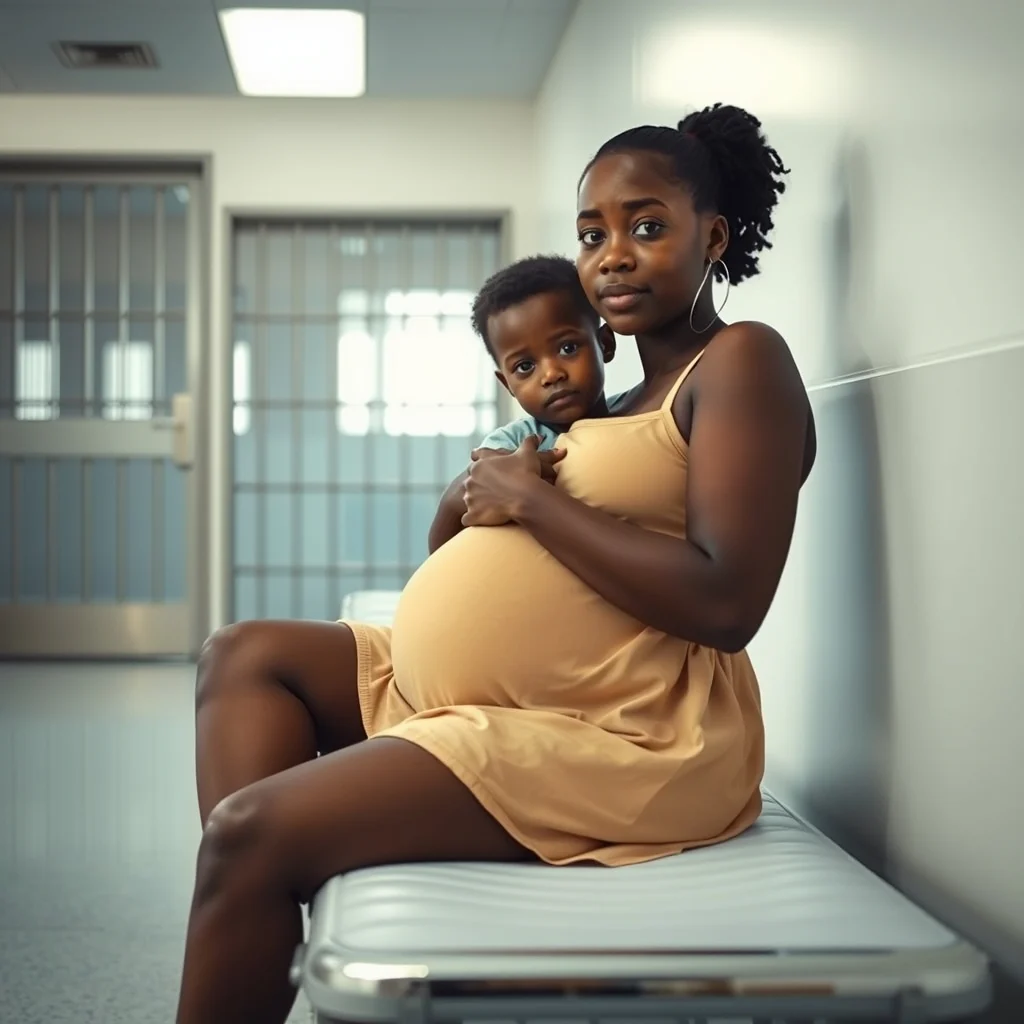
A federal judge has ordered the release of a pregnant Ghanaian mother and her 4-year-old son who had been detained for over a week at Washington Dulles International Airport. The ruling came on Friday, ending their extended stay in airport holding facilities where their well-being was reportedly compromised.
Background of the Detention
Anabella Gyasi arrived at Dulles International Airport on May 19, holding a valid tourist visa. Her stated purpose for entering the United States was to seek medical treatment for her son, who has physical abnormalities affecting his hands. Gyasi had previously brought her son to the U.S. in 2024 when he was two years old for a similar medical consultation.
During that earlier visit, specialists advised Gyasi that her son was too young for corrective surgery. This prompted her to schedule a pre-operation appointment at a children’s hospital in Ohio earlier this month. She intended to use the same tourist visa for this trip.
ACLU Intervention and Habeas Petition
The American Civil Liberties Union (ACLU) filed a habeas petition on behalf of Gyasi and her son on Tuesday. The petition argued that their detention violated established regulations and policies designed to protect vulnerable individuals, such as pregnant women and children.
The ACLU highlighted that these policies often require the release of such individuals. Furthermore, the petition cited a court settlement mandating that children be transferred out of detention within 72 hours, a timeframe that was significantly exceeded in this case.
Concerns Over Health and Conditions
Mary Bauer, Executive Director of ACLU-Virginia, expressed strong concerns about the impact of the detention on Gyasi’s health and her pregnancy. Bauer stated that the court’s order unequivocally demanded their release from the airport.
“Ms. Gyasi’s health and the viability of her pregnancy have both been endangered for more than a week as a result of the Trump administration’s dangerous and unlawful detention practices,” Bauer commented, linking the incident to broader immigration enforcement policies.
While relieved by the judge’s decision, Bauer emphasized that no individual should endure the conditions they reportedly faced. “While we’re relieved that Ms. Gyasi and her son will soon be free from this nightmare, no one should be subjected to the inhumane conditions they endured,” she added.
Government Response and Conflicting Accounts
A Department of Homeland Security (DHS) official confirmed Gyasi’s custody by Customs and Border Protection (CBP) at Dulles on Thursday. The official stated that she would remain in custody pending her immigration hearing.
However, the DHS spokesperson disputed allegations regarding the conditions of her detention, calling them “false.” The department asserted that all individuals in CBP custody have access to appropriate care, including medical evaluations, medication, and food.
Implications and Future Outlook
The case underscores ongoing debates surrounding immigration detention practices, particularly concerning vulnerable populations like pregnant women and children. The ACLU’s successful habeas petition highlights the legal challenges against detention policies that may contravene existing regulations or settlement agreements.
Gyasi and her son were reportedly heading back to Ghana on Friday, according to a source familiar with the case. The incident raises questions about the screening processes at ports of entry and the application of humanitarian considerations in immigration enforcement.
Moving forward, attention will likely focus on the specific reasons for Gyasi’s prolonged detention and the review of CBP’s procedures for handling at-risk individuals. The case could influence future legal challenges and policy discussions regarding immigration detention standards and the rights of asylum seekers and visa holders encountered at U.S. airports.







Leave a Reply