
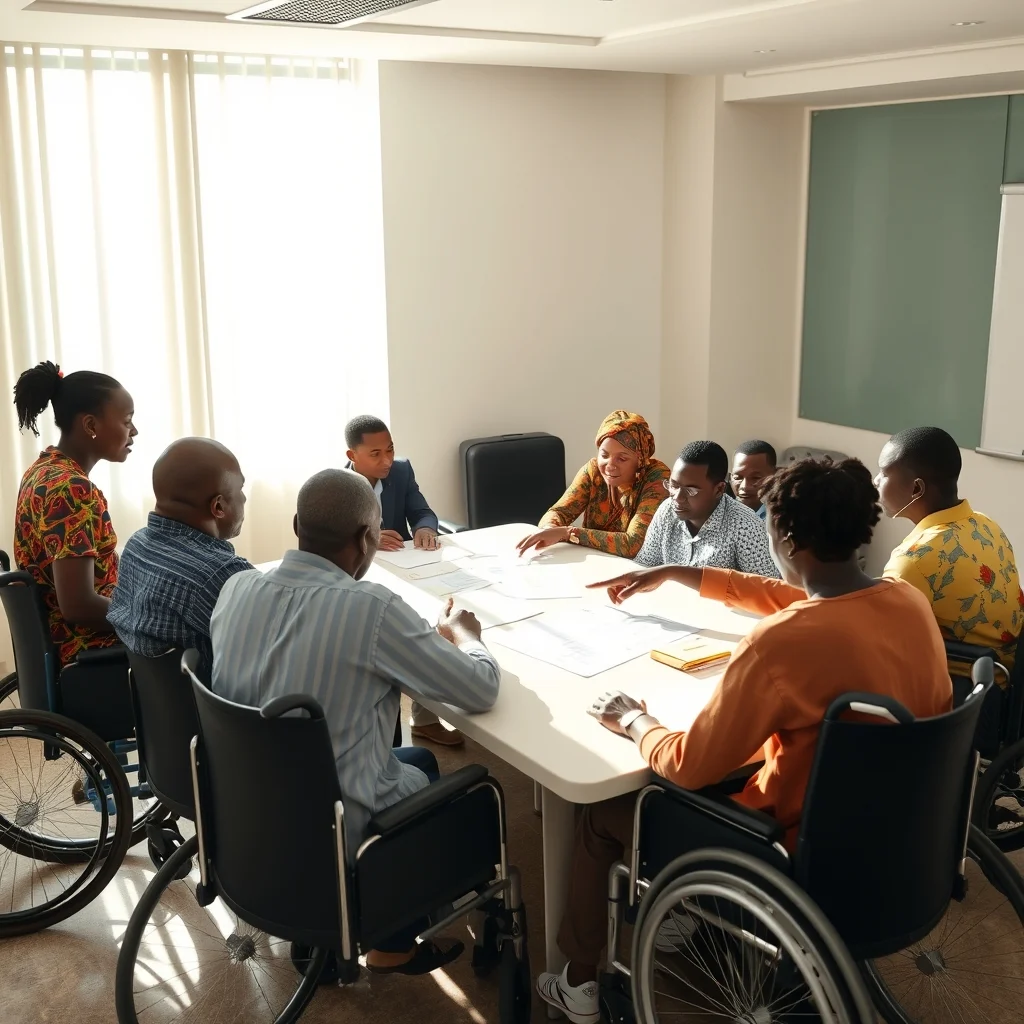
Accra, Ghana – As Ghana undertakes a crucial review of its disability legislation, a significant concern has emerged: the disability community and key stakeholders reportedly lack access to the draft bill currently before Cabinet. This lack of transparency threatens to undermine the principle of “Nothing About Us Without Us” and could lead to legislation that fails to adequately address the needs of millions of persons with disabilities in the country.
Context of the Law Review
Ghana’s commitment to improving the lives of persons with disabilities is being tested through a review of its existing disability law. This process aims to address legislative gaps, align national laws with international standards, and enhance the rights, dignity, and inclusion of individuals with disabilities.
Such legislative reviews are vital for ensuring that national laws reflect global best practices and uphold the rights enshrined in international conventions, including the UN Convention on the Rights of Persons with Disabilities (CRPD), to which Ghana is a signatory.
“Nothing About Us Without Us” Principle Under Scrutiny
The cornerstone of disability rights advocacy globally is the principle of “Nothing About Us Without Us.” This mandates the active participation of persons with disabilities in all decisions, policies, and legislative processes that affect their lives. Disability law is particularly impactful, influencing access to education, employment, healthcare, transportation, social protection, and political participation.
Meaningful consultation requires stakeholders to have access to the actual content of proposed legislation. Without this, their feedback cannot be informed, and they cannot verify if their recommendations have been incorporated or if critical concerns have been addressed.
Many individuals and organizations within the disability sector may have participated in earlier stages of the review, such as workshops or submission of recommendations. However, without sight of the final draft presented to Cabinet, they cannot ascertain if their input has been considered, if potentially harmful provisions have been introduced, or if the bill truly reflects the community’s aspirations.
Transparency and National Obligations
Ghana’s 1992 Constitution champions citizen participation, accountability, and transparency in governance. For public policies and legislation to be robust and effective, those directly impacted must have a meaningful opportunity to contribute.
Transparency in this context means more than just announcing a review; it requires providing sufficient information for stakeholders to offer informed feedback before critical decisions are made. A lack of access to the bill before Cabinet consideration can foster perceptions of exclusion, regardless of prior consultations.
International Commitments
As a state party to the UN Convention on the Rights of Persons with Disabilities (CRPD), Ghana is obligated under Article 4(3) to closely consult with and actively involve persons with disabilities, through their representative organizations, in the development and implementation of legislation and policies concerning them.
This international commitment implies continuous engagement and deep participation throughout the policy development lifecycle, not just symbolic gestures. Meaningful participation is severely hampered when stakeholders are unaware of the proposals that will shape their rights for years to come.
Potential Consequences of Non-Disclosure
When key stakeholders are kept in the dark about the contents of a disability bill before it reaches Cabinet, several negative outcomes are likely:
- Reduced Stakeholder Ownership: Persons with disabilities and professionals may feel alienated from the legislative outcome.
- Loss of Expertise: Valuable insights from practitioners and specialists might be missed, leading to oversight.
- Increased Legislative Gaps: Practical challenges faced by individuals with disabilities may remain unaddressed in the law.
- Implementation Difficulties: Government bodies tasked with enforcing the law could face hurdles if practical issues were not identified during drafting.
- Public Criticism and Delays: Discovering disagreeable provisions later can lead to calls for amendments, causing avoidable conflict and slowing down the legislative process.
- Erosion of Public Confidence: A lack of transparency can breed uncertainty and speculation, undermining trust between the government and the disability community.
Path Forward: Ensuring a Robust Law
The goal should be to enhance the legitimacy and quality of the proposed legislation, not to impede progress. Before the bill advances further in the approval process, its contents should be made accessible to persons with disabilities, their representative organizations, disability professionals, civil society groups, development partners, and other relevant stakeholders.
This openness will enable a thorough review, identification of potential gaps, and the provision of constructive feedback, ultimately strengthening the final law. The review of Ghana’s disability law must be guided by comprehensive information and broad stakeholder engagement. Confidence in the law, and its ability to protect and advance the rights and aspirations of persons with disabilities, is built through transparency, accountability, participation, and genuine engagement.
Making the bill’s contents known to the disability community and relevant stakeholders should be viewed not as a hurdle, but as an essential step towards creating a stronger, more inclusive, and widely accepted legal framework for disability rights in Ghana, truly embodying the principle of “Nothing About Us Without Us.”










Leave a Reply