
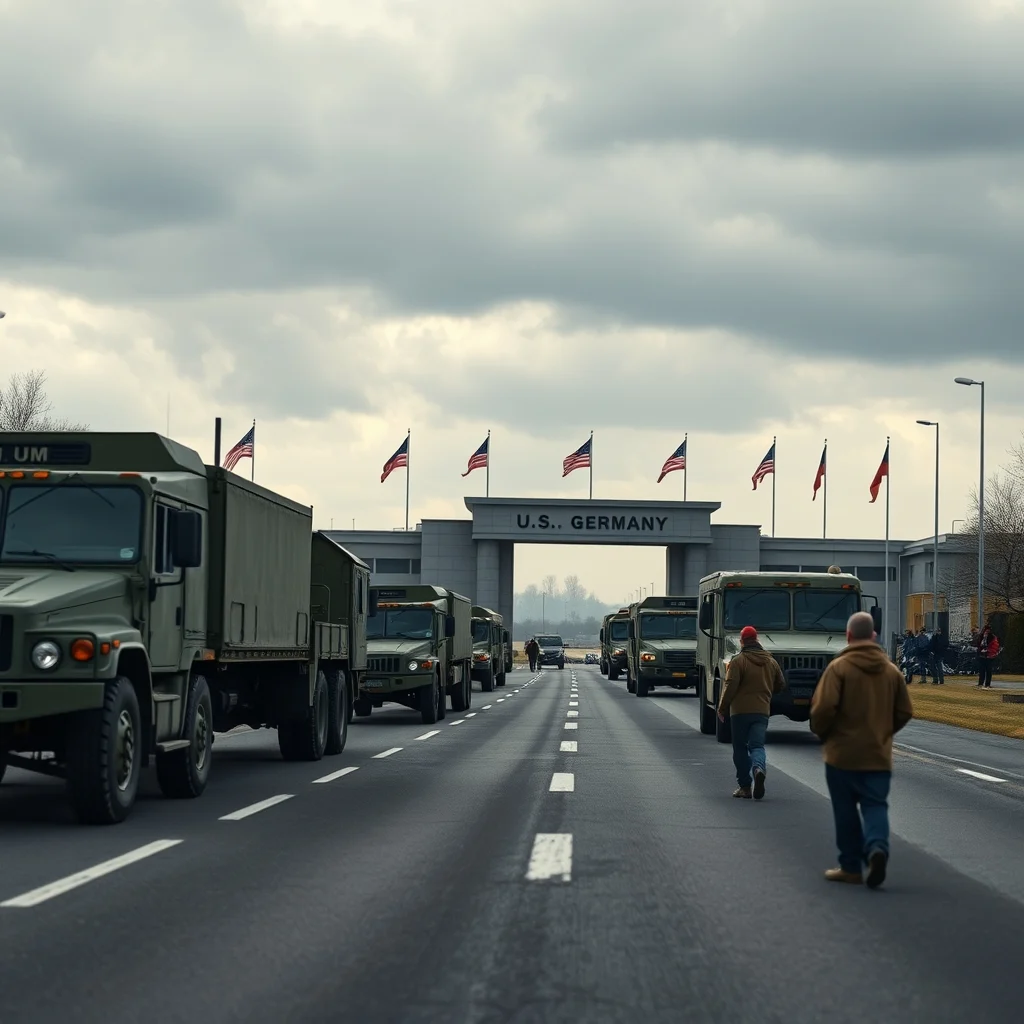
The United States Department of Defense intends to withdraw approximately 5,000 troops from Germany, a decision announced amid heightened diplomatic friction between U.S. President Donald Trump and German Chancellor Friedrich Merz, particularly concerning the ongoing conflict with Iran. This planned reduction marks a significant shift in U.S. military posture in Europe.
Background of U.S. Military Presence in Germany
Germany hosts the largest contingent of U.S. active-duty troops in Europe, with over 36,000 personnel stationed across various bases as of December of the previous year. This presence is a cornerstone of NATO’s collective defense strategy and has been a fixture of transatlantic security for decades. Key installations include Ramstein Air Base, a major hub for U.S. Air Forces in Europe.
Escalating Diplomatic Spat
The troop withdrawal announcement follows sharp public criticism from President Trump directed at Chancellor Merz. Trump took to social media to fault Merz’s handling of international affairs, specifically mentioning immigration and energy policies, and accusing him of doing a “terrible job.” This exchange was reportedly triggered by Merz’s earlier comments to university students, where he suggested the U.S. had been “humiliated” by Iranian negotiators and questioned the U.S. strategy in the region. Merz also criticized Iran’s negotiation tactics, stating the Americans traveled to Islamabad without achieving results.
Trump’s response was swift and severe, posting on Truth Social that Merz “doesn’t know what he’s talking about” and implied Merz was accepting of Iran potentially developing nuclear weapons. Trump also extended his criticism to other NATO allies, including Italy and Spain, questioning why U.S. troops should remain if these nations are not perceived as cooperative, particularly regarding operations in the Strait of Hormuz.
Pentagon’s Official Statement
Pentagon spokesman Sean Parnell stated that the withdrawal order originated from Secretary of Defense Pete Hegseth. Parnell indicated the decision was the result of a “thorough review of the Department’s force posture in Europe” and was made in consideration of “theater requirements and conditions on the ground.” The withdrawal is expected to be completed within a six to twelve-month timeframe.
Historical Context and Precedents
This is not the first time troop reductions in Germany have been proposed. In 2020, a plan to move 12,000 troops was ultimately blocked by Congress and reversed by President Biden. At that time, Trump had also criticized Germany for not meeting NATO’s defense spending target of 2% of GDP. However, recent developments show a significant shift in German defense policy.
Shifting German Defense Spending
Under the current Merz administration, Germany has dramatically increased its defense expenditure. Projections indicate that Germany will spend €105.8 billion in 2027, with defense spending set to reach 3.1% of GDP in the upcoming year. This substantial increase addresses previous criticisms regarding military contributions within the alliance.
Broader U.S. Military Realignments
The potential withdrawal from Germany aligns with a broader U.S. strategy, seemingly influenced by President Trump’s long-standing skepticism towards the NATO alliance and his stated desire to shift U.S. military focus from Europe towards the Indo-Pacific region. A similar reduction in troop presence was made in Romania last year, with the Romanian defense minister noting that the U.S. had encouraged greater self-reliance in regional defense.
Implications and Future Outlook
The reduction of U.S. forces in Germany, Europe’s largest American military base, carries significant implications for NATO’s operational capabilities and the security landscape of the continent. It raises questions about the long-term U.S. commitment to European defense and could potentially embolden adversaries. Allies will be closely watching how this troop movement impacts deterrence, particularly in Eastern Europe, and whether it signals a more permanent reorientation of U.S. strategic priorities away from traditional European security concerns. The response from other NATO members and the subsequent adjustments to defense strategies will be critical to monitor in the coming months.










Leave a Reply