
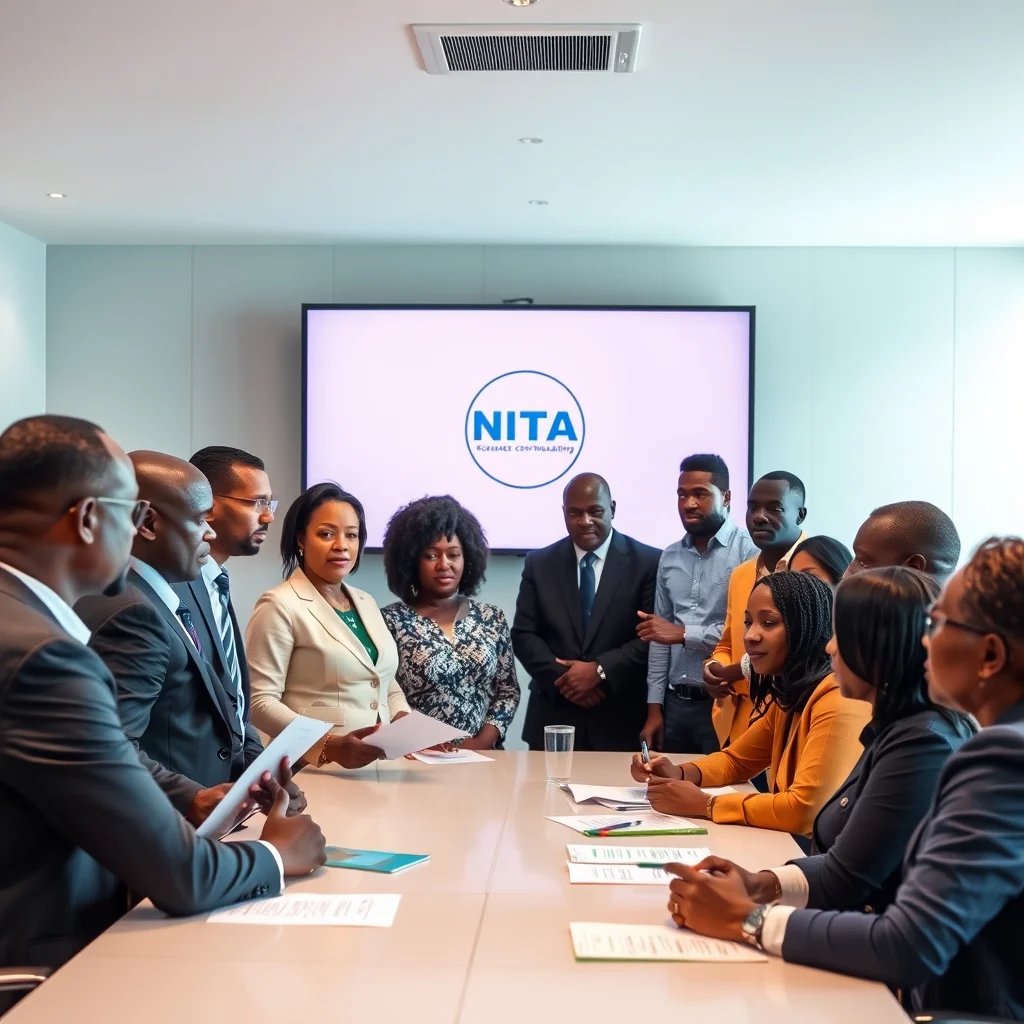
Accra, Ghana – Member of Parliament for Effia and a member of Parliament’s Finance Committee, Isaac Boamah-Nyarko, has lauded the government’s initiative to consult stakeholders on the proposed National Information Technology Agency (NITA) Bill. Speaking on JoyNews’ Newsfile on Saturday, May 30th, Boamah-Nyarko advocated for making public consultation a standard practice in Ghana’s legislative process, citing the ongoing NITA Bill discussions as a positive model.
Context of the Proposed NITA Bill
The proposed NITA Bill has sparked significant public discussion due to its potential to broaden the National Information Technology Agency’s scope. Traditionally focused on coordinating public sector ICT development, the bill aims to transform NITA into a comprehensive regulator for Ghana’s entire digital ecosystem. This expansion has raised questions about governance, oversight, and the potential impact on various digital service providers and users.
Concerns Over Expedited Legislation
Mr. Boamah-Nyarko voiced concerns regarding a perceived trend of legislation being passed under “certificates of urgency.” He noted that under the current administration, many bills have moved through Parliament at an accelerated pace, sometimes within 24 hours. This rapid progression, he argued, significantly curtails the time available for thorough scrutiny by Parliament, stakeholders, and the general public.
“When it comes to this government, we are passing bills within 24 hours, and in less than 24 hours we have passed almost all the bills in Parliament that come under certificates of urgency,” Boamah-Nyarko stated. He highlighted that even parliamentary committees, tasked with reviewing legislation, often operate under tight deadlines.
“In some cases, the bill comes to Parliament, it is referred to a committee, and within 24 hours the committee comes back to Parliament and the bill is passed into law,” he observed. This, he believes, limits meaningful debate and weakens opportunities for comprehensive stakeholder engagement.
NITA Bill Consultations as a Model
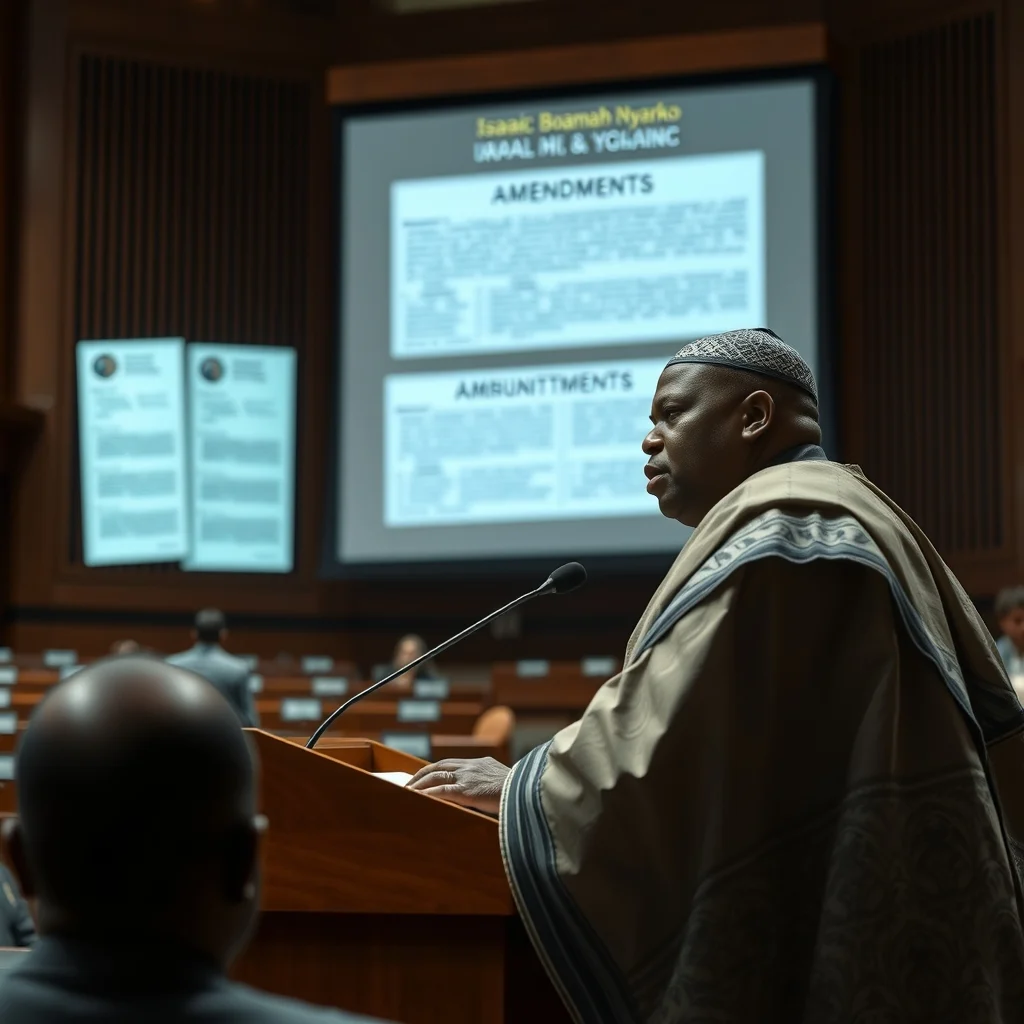
Despite his broader concerns about legislative speed, Boamah-Nyarko specifically praised the consultations surrounding the NITA Bill. He described the ongoing engagement as “very commendable” and suggested it as an example for other ministries to follow.
“As much as possible, it should be part and parcel of our culture now. If you want to adopt a bill, ministries introducing legislation should ensure there is adequate consultation,” he urged. The MP emphasized that laws with significant consequences require ample time for public input, expert analysis, and detailed parliamentary review.
Implications for Governance and Digital Regulation
The debate surrounding the NITA Bill and the calls for enhanced stakeholder engagement underscore a critical juncture for Ghana’s digital governance. As the nation increasingly relies on digital infrastructure and services, the regulatory framework must be robust, transparent, and inclusive.
Rushing critical legislation can lead to unintended consequences, regulatory gaps, or laws that do not adequately address the evolving digital landscape. Conversely, robust stakeholder consultation can foster greater public trust, lead to more effective and adaptable policies, and ensure that new regulations support innovation while protecting citizens.
Looking Ahead
The coming months will likely see continued discussions on the NITA Bill’s specifics and its regulatory reach. Observers will be watching to see if the current administration adopts Mr. Boamah-Nyarko’s recommendation to embed thorough public consultation as a standard practice across all legislative processes. The effectiveness of NITA’s expanded mandate, once enacted, will also depend on the clarity of its regulations and its ability to adapt to rapid technological changes.









Leave a Reply