
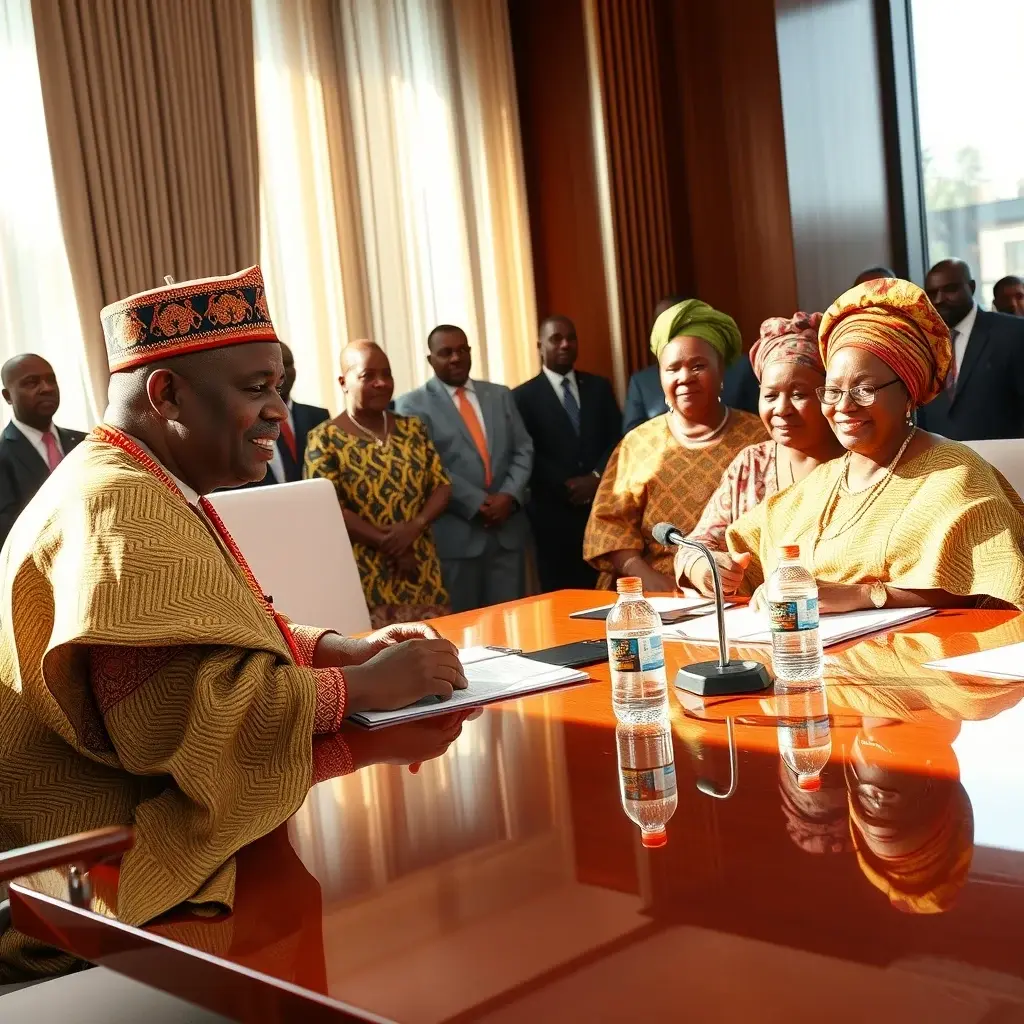
President John Mahama met with a delegation from the Bono East Regional House of Chiefs at the Presidency in Accra on Thursday, May 28, to discuss pressing development issues and matters of national interest affecting the region. The chiefs, led by Nana Owusu Sakyi III, Paramount Chief of Bassaman and President of the Bono East Regional House of Chiefs, sought to engage the government on key priorities for their constituents.
Context of the Meeting
The Bono East Region, established in 2019, is a relatively new administrative area in Ghana. It plays a significant role in the nation’s agricultural output, particularly in crops like cashew and yams. The Regional House of Chiefs serves as a vital consultative body, representing traditional authorities and advocating for the interests of their communities at both regional and national levels.
This meeting followed a period of engagement between the government and various traditional councils across the country, highlighting the importance of traditional leadership in national development dialogues. The Presidency’s statement indicated that the discussions were cordial and focused on constructive ways to advance the region’s progress.
Development Agendas Discussed
During the courtesy call, the delegation, which included paramount chiefs, queen mothers, and other traditional leaders, acknowledged the government’s efforts and progress made in the region. President Mahama, in turn, reiterated the administration’s commitment to bolstering the Ghanaian economy.
He specifically highlighted the strategic importance of the Bono East Region in agriculture, trade, and commerce, with particular emphasis on Techiman and its surrounding areas. The President outlined several key interventions planned for the region.
These include the establishment of special markets under the government’s proposed 24-hour economy initiative. This initiative aims to stimulate economic activity by extending business operating hours. Additionally, plans are underway to develop Farmer Service Centres to enhance agricultural productivity and support farmers.
A significant infrastructure project mentioned is the construction of a 50,000-tonne cashew processing factory. This factory is expected to add value to the region’s primary agricultural export and create employment opportunities. The President also assured the chiefs of ongoing and planned major road infrastructure projects crucial for improving connectivity and facilitating trade within the region.
Healthcare and Infrastructure Focus
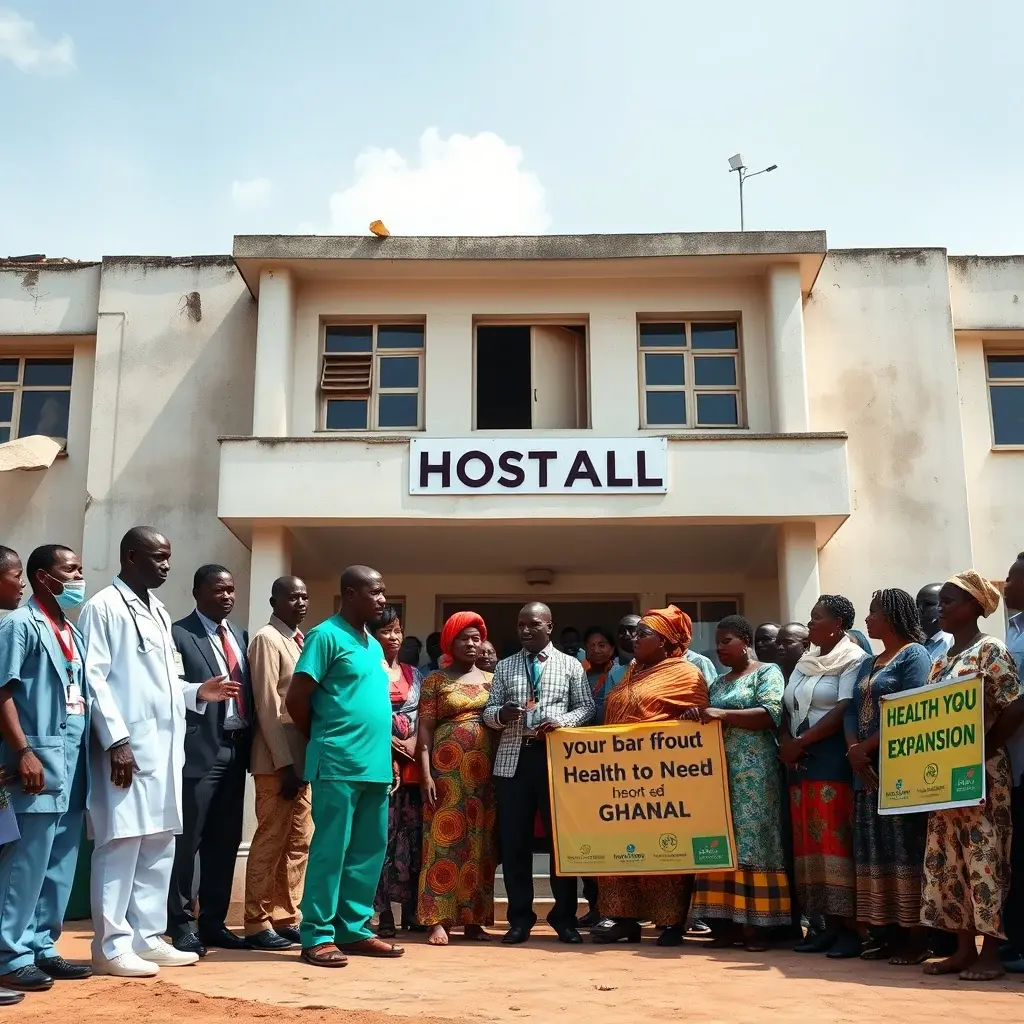
Beyond economic and agricultural development, the meeting also addressed healthcare infrastructure. President Mahama disclosed plans to establish a new Regional Hospital for Bono East. This facility is intended to improve access to quality healthcare services for the residents of the region.
The meeting was attended by high-ranking government officials, including Vice President Professor Jane Naana Opoku-Agyemang. Also present were Mr. Ahmed Ibrahim, Minister for Local Government, Chieftaincy and Religious Affairs, and Mr. Francis Owusu Antwi, the Bono East Regional Minister, alongside other Ministers of State, underscoring the significance of the discussions.
Implications for the Region and Beyond
The outlined projects signal a focused approach by the government to address the specific development needs of the Bono East Region. The emphasis on agricultural value addition through the cashew factory and the development of Farmer Service Centres could significantly impact local economies, potentially leading to job creation and increased incomes for farmers.
The proposed 24-hour economy markets and improved road networks are expected to boost trade and commerce, making the region a more attractive hub for economic activity. The establishment of a Regional Hospital addresses a critical need for improved healthcare infrastructure, which is often a major concern in developing regions.
For the agricultural sector, these interventions could mark a shift from primary commodity export to value-added processing, a key strategy for economic diversification and resilience. The engagement with the House of Chiefs also underscores the continued importance of traditional leadership in governance and development planning in Ghana.
Moving forward, the successful implementation of these projects will be crucial for realizing the developmental aspirations of the Bono East Region. Stakeholders will be watching closely to see how these plans translate into tangible improvements in the lives of the region’s inhabitants and their contribution to Ghana’s overall economic growth.


Leave a Reply