
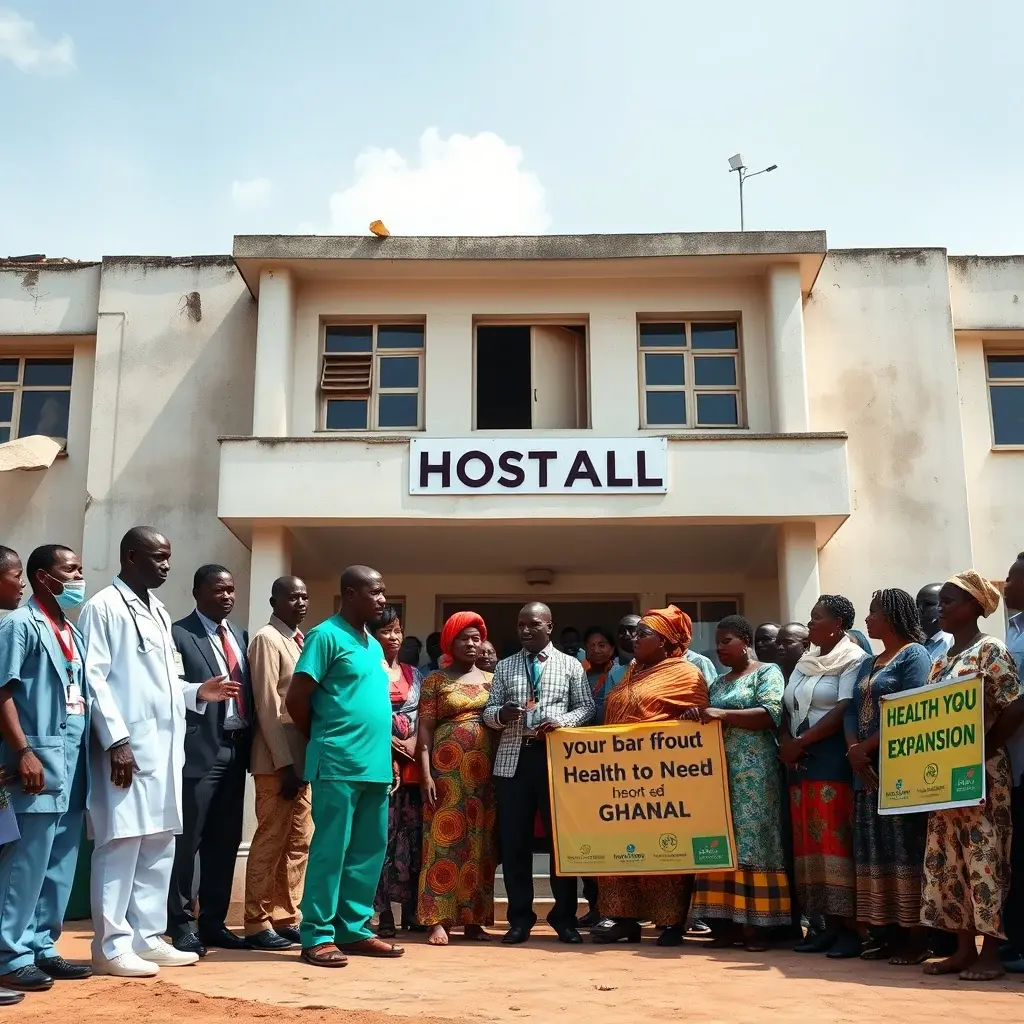
St. Elizabeth Hospital, a 70-year-old healthcare facility in Hwediem, Ahafo Region, has initiated a significant fundraising campaign to expand its critically undersized emergency ward and upgrade outdated medical equipment. The drive aims to increase the ward’s capacity from its current seven beds to thirty, addressing the growing demand for emergency services in the region.
Hospital’s Critical Role and Current Challenges
Established in 1956, St. Elizabeth Hospital has evolved from a smallpox treatment center into a vital 110-bed facility. It currently serves as a crucial referral center for the Ahafo Region and four neighboring regions, including Western, Bono, Western North, and parts of Ashanti. This extensive reach underscores its importance to national healthcare delivery.
However, hospital officials report that severe space limitations in the emergency ward frequently compel them to transfer critical patients to other facilities. The lack of adequate beds has led to distressing situations where patients have received treatment on the floor, highlighting the urgent need for expansion.
Urgent Need for Modern Equipment and Increased Capacity
Stephen Nsiah Kwaku, Head of the Emergency Unit, stated at the fundraising event that staff have been operating with obsolete medical equipment within the restrictive seven-bed space. This environment has caused significant discomfort for both patients and healthcare providers, leading to numerous inconveniences.
Kwaku emphasized that expanding the unit and replacing essential equipment would be transformative for regional emergency care. Key items urgently needed include nebulizing machines, BP monitors, dermatology analyzers, and a central oxygen line, all vital for efficient service delivery.
Community and Traditional Support
Traditional leaders from across the Ahafo Region have voiced strong support for the fundraising initiative. Baffour Adjei Fofie, Akwamuhene of the Hwediem Traditional Council, praised the hospital’s management and staff for their dedication. He urged individuals and corporate bodies to contribute financially or donate building materials and medical equipment.
The hospital management, led by Manager Sister Georgina Lawrencia Quayson, stressed that growth necessitates expansion to meet rising patient numbers. They aim to eliminate instances of the ‘no-bed syndrome’ and ensure that malfunctioning equipment does not impede emergency care.
Nurse Manager Gladys Bediako recounted harrowing experiences of patients being treated on the floor due to space constraints. She noted that while referring patients to distant facilities risks lives, the expansion and retooling project is the most expedient solution to safeguard public health.
Awareness and Early Contributions
To foster awareness and public support, hospital staff organized a health walk themed “Every Second Counts: Improving Emergency Service Delivery” to mark Emergency Medicine Day. This event aimed to sensitize local residents and encourage backing for the project.
Several public and private institutions, along with individuals, have already made contributions. Notable early donors include the Hwediem Traditional Council, Underground Mining Alliance-Subika, Angel Group of Companies, Asutifi South District Assembly, the Catholic Church, and the National Health Insurance Authority (NHIA).
Call for Global Support
St. Elizabeth Hospital is appealing to individuals, corporate bodies, and philanthropic groups worldwide for support. Donations can be made directly to their official bank account: GCB Bank PLC, Hwediem Branch, Account Name: St. Elizabeth Catholic Hospital, Account Number: 7061130000538.
Future Outlook
The success of this fundraising drive will determine St. Elizabeth Hospital’s ability to overcome its current capacity and equipment challenges. Continued support could significantly enhance emergency care not only for the Ahafo Region but also for the broader areas it serves, potentially setting a model for other regional hospitals facing similar issues. Observers will be watching the pace of donations and the hospital’s progress in implementing the expansion and equipment upgrades.










Leave a Reply