
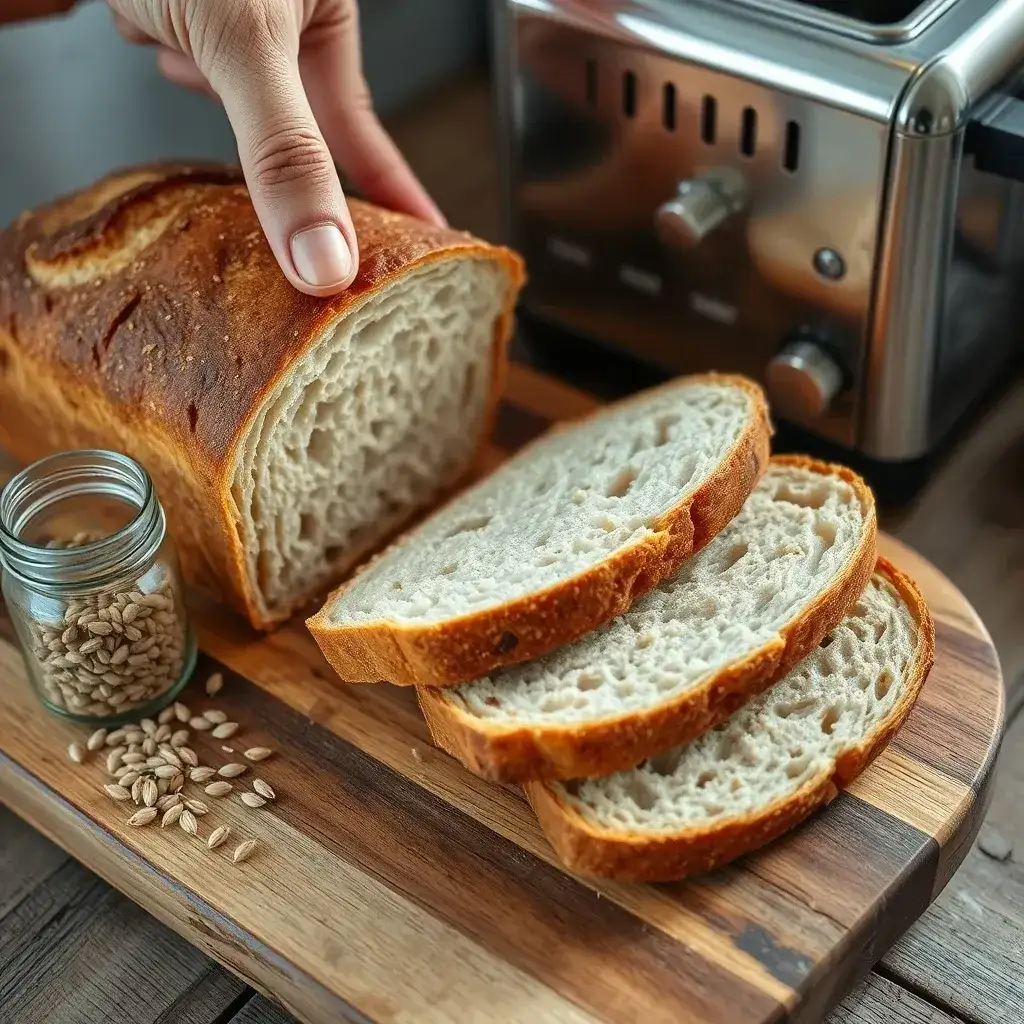
Madam Florence Ofori-Agyeman, Chief Executive Officer of Baker’s Relish, is urging consumers to limit storing bread for more than four days, cautioning that excessively long shelf lives may signal the use of harmful preservatives or unsafe baking methods. The warning comes from her decade of experience in the baking industry, shared in an interview with the Ghana News Agency (GNA).
Understanding Bread’s Natural Lifespan
Bread, as a processed food item, possesses a naturally limited shelf life, according to industry experts. Madam Ofori-Agyeman emphasized that even with optimal storage conditions, bread should not remain fresh for extended periods exceeding a week or two.
“Bread should not go beyond four days,” she stated emphatically. She advises consumers to be suspicious if their bread remains edible for much longer.
Concerns Over Preservative Misuse and Unsafe Practices
Madam Ofori-Agyeman, who founded Baker’s Relish in 2016, has cultivated a business focused on healthier baking. Her company produces both therapeutic and non-therapeutic bread varieties, incorporating nutrient-rich ingredients like moringa, tiger nuts, millet, oats, and soy.
While acknowledging that preservatives are not inherently dangerous, she expressed significant concern over their improper application within the baking sector. Some bakers reportedly resort to unapproved substances or excessive amounts of approved additives to artificially extend product freshness.
“There are practices that have been passed down without questioning their effects. We need to ask why we use certain ingredients and what they do to the body,” she urged.
Her specific concerns include the use of potassium bromate, a known carcinogen, and certain hydrogenated fats, which are linked to cardiovascular health issues. These practices, she warns, can have severe repercussions on consumer health.
Call for Regulatory Action and Consumer Education
Given that bread has become a dietary staple for many, Madam Ofori-Agyeman calls for enhanced vigilance from regulatory bodies such as the Food and Drugs Authority (FDA). She advocates for increased public education campaigns and stricter regulatory oversight to ensure that baking adheres to the highest safety and nutritional standards.
“Bread has become a staple now, no longer a luxury, so we cannot continue doing things the old way,” she asserted. The CEO stressed that protecting public health necessitates informed bakers and protected consumers.
“Institutions like the Food and Drugs Authority must step up public education and oversight, so bakers understand what is safe and consumers are protected. If we don’t ensure the right practices and ingredients, then we are putting people’s health at risk,” she concluded.
Tips for Consumers: Better Bread Preservation
For consumers aiming to prolong bread’s freshness without compromising safety, Madam Ofori-Agyeman offers practical advice. She recommends freezing bread as a superior alternative to refrigeration, as it better maintains texture and quality.
To prevent degradation from repeated thawing and refreezing, she suggests portioning the bread before placing it in the freezer. This allows consumers to take out only the amount needed at any given time.
Additionally, she noted that toasting bread can enhance its digestibility. “Toasting helps break down the starch, making it easier for the body to absorb and benefit from it,” she explained.
Looking Ahead: Industry Standards and Consumer Awareness
The insights from Madam Ofori-Agyeman highlight a critical juncture for the baking industry, particularly concerning food safety and consumer trust. As bread solidifies its position as a staple food, the demand for transparency regarding ingredients and production methods is likely to grow.
Consumers may become more discerning, actively seeking out bakeries that prioritize natural ingredients and adhere to stringent safety protocols. This trend could spur further innovation in natural preservation techniques and a greater emphasis on educating the public about food quality.
The role of regulatory bodies like the FDA will be pivotal in setting and enforcing these higher standards. Increased public awareness campaigns, coupled with robust oversight, will be essential in safeguarding consumers from potentially harmful practices and ensuring the integrity of a food product consumed daily by millions.










Leave a Reply