
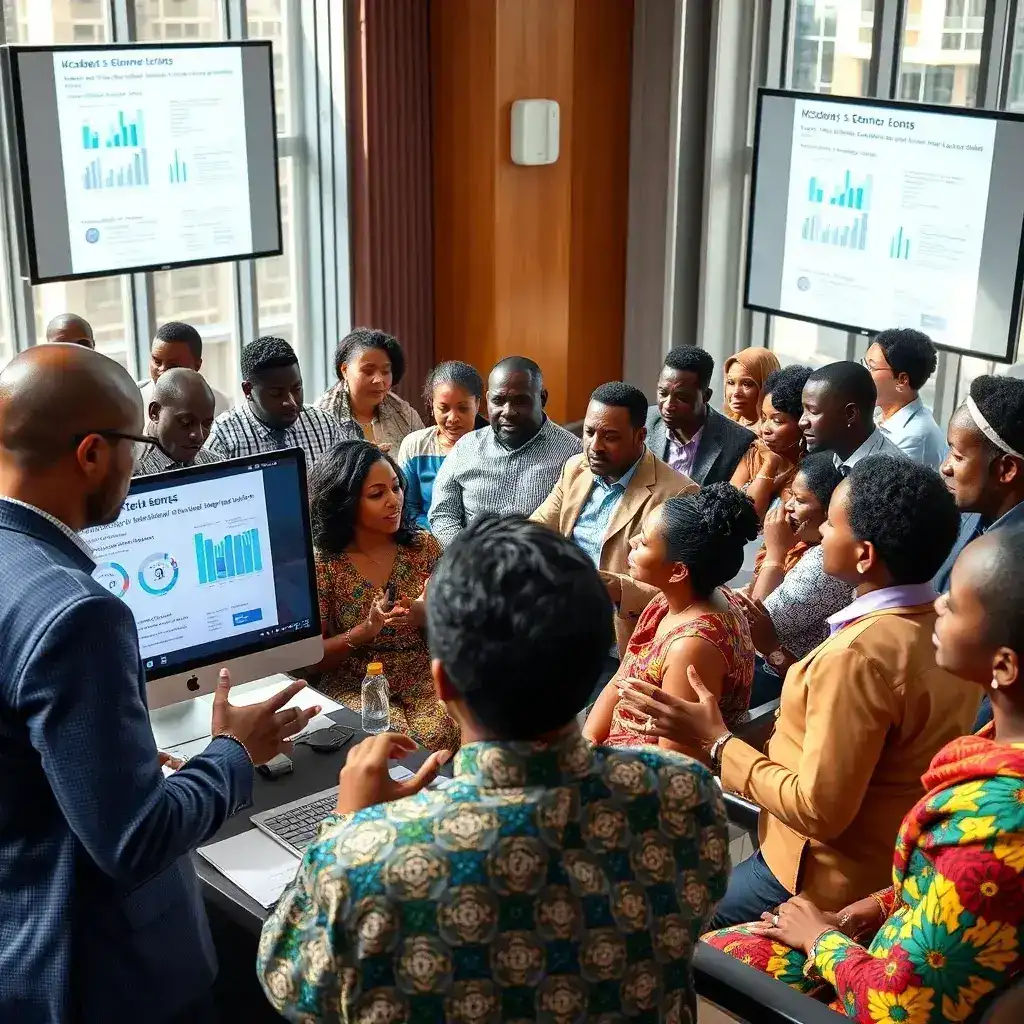
Accra, Ghana – From April 28 to April 30, global health leaders, policymakers, and scientists gathered in Accra for a pivotal symposium hosted by the National Institute for Health and Care Research (NIHR). The three-day event focused on developing sustainable solutions to combat the escalating global crisis of non-communicable diseases (NCDs), which are now the leading cause of death worldwide.
Context: The Growing NCD Burden
Non-communicable diseases, including cardiovascular diseases, cancers, chronic respiratory conditions, and diabetes, represent a significant and growing public health challenge. The World Health Organization (WHO) reports that NCDs are responsible for over 41 million deaths annually, accounting for 74% of all global fatalities. Alarmingly, 17 million people die prematurely from NCDs each year, with a disproportionate 86% of these deaths occurring in low- and middle-income countries.
This stark reality underscores the critical importance of countries like Ghana in shaping global health strategies. The symposium, themed “Ensuring Sustainability from Global Health Research Centres,” marked a crucial transition from research and pilot phases to the large-scale implementation of interventions across Africa, Asia, Latin America, and the UK.
Key Discussions and Initiatives
The symposium brought together participants from all five NIHR Global Health Research Centres, established under a five-year program. The goal was to share progress, exchange lessons learned, and strategize for the long-term sustainability of their impactful work.
Professor Richard Adanu, Rector of the Ghana College of Physicians and Surgeons (GCPS), highlighted Ghana’s increasing prominence in global health research, humorously noting the shift in meeting locations to Ghana. He encouraged robust collaboration among attendees, urging them to actively engage and learn from each other’s diverse approaches.
Representing Ghana’s Minister of Health, Dr. Hafez Adam Taher emphasized the government’s commitment to evidence-led health policy. He stated that research is vital for identifying interventions that are not only effective but also sustainable, affordable, and contextually relevant. This aligns with Ghana’s Free Primary Healthcare policy, which prioritizes NCD screening and early detection.
Local Impact and Innovation
Professor Samuel Kaba Akoriyea, Director-General of the Ghana Health Service, presented a concerning local picture. He revealed that 45% of Ghanaians over 40 years old were diagnosed with NCDs, with 60% unaware of their status and 45% not on medication. This situation contributes significantly to the high rates of strokes and the strain on the healthcare system.
The NIHR Global Health Research Centre for Non-Communicable Disease Control in West Africa (STOP-NCD), co-led by Professor Irene Agyepong, has pioneered several key interventions. These include community screening modules for NCDs integrated into an E-tracker and designed to work within Ghana’s Community Health Planning and Service (CHPS) and National Health Insurance Scheme (NHIS). The NCD-CareNet intervention has undergone pilot testing and is set for full-scale implementation across three districts.
Other innovations showcased included a WhatsApp-based nutrition guidance tool (“NCD Nutribot”) developed by Ashesi University, expanded patient registries in Burkina Faso, and telemedicine deployment in Niger to address healthcare workforce shortages.
Shifting Global Health Research Priorities
Professor Kara Hanson, Director of the NIHR Global Health Research Programme, delivered the keynote address, urging participants to focus on tangible societal impact beyond academic outputs. She emphasized the need to demonstrate the value of global health research in improving health services, outcomes, and community engagement.
Hanson highlighted the alignment between the NIHR centres’ work and evolving global health strategies, which increasingly prioritize prevention, digital systems, and community-based care. She encouraged attendees to proactively plan their pathways to achieving sustained impact, noting that these outcomes require deliberate effort and commitment.
A Call for Collective Action and Future Outlook
The symposium underscored the necessity of collective action, shared ownership, and long-term commitment to address the NCD crisis effectively. Stakeholders are expected to develop practical sustainability frameworks to ensure that interventions translate into lasting public health benefits.
International endorsements from figures like Professor Dr. Asad Tamizuddin Nizami and Enyonam Azumah from the Foreign Commonwealth and Development Office in Ghana reinforced the importance of the symposium and the need for deeper collaboration. Dr. Sylvia Anie, a Member of the Strategic Advisory Committee, praised the gathering as a vital platform for sharpening responses to NCDs across countries.
The focus now shifts to the full-scale implementation of these evidence-based interventions and the establishment of robust sustainability plans. The success of these initiatives in Ghana and other participating regions will be crucial in demonstrating the long-term impact of global health research and in mitigating the growing burden of non-communicable diseases worldwide.










Leave a Reply