

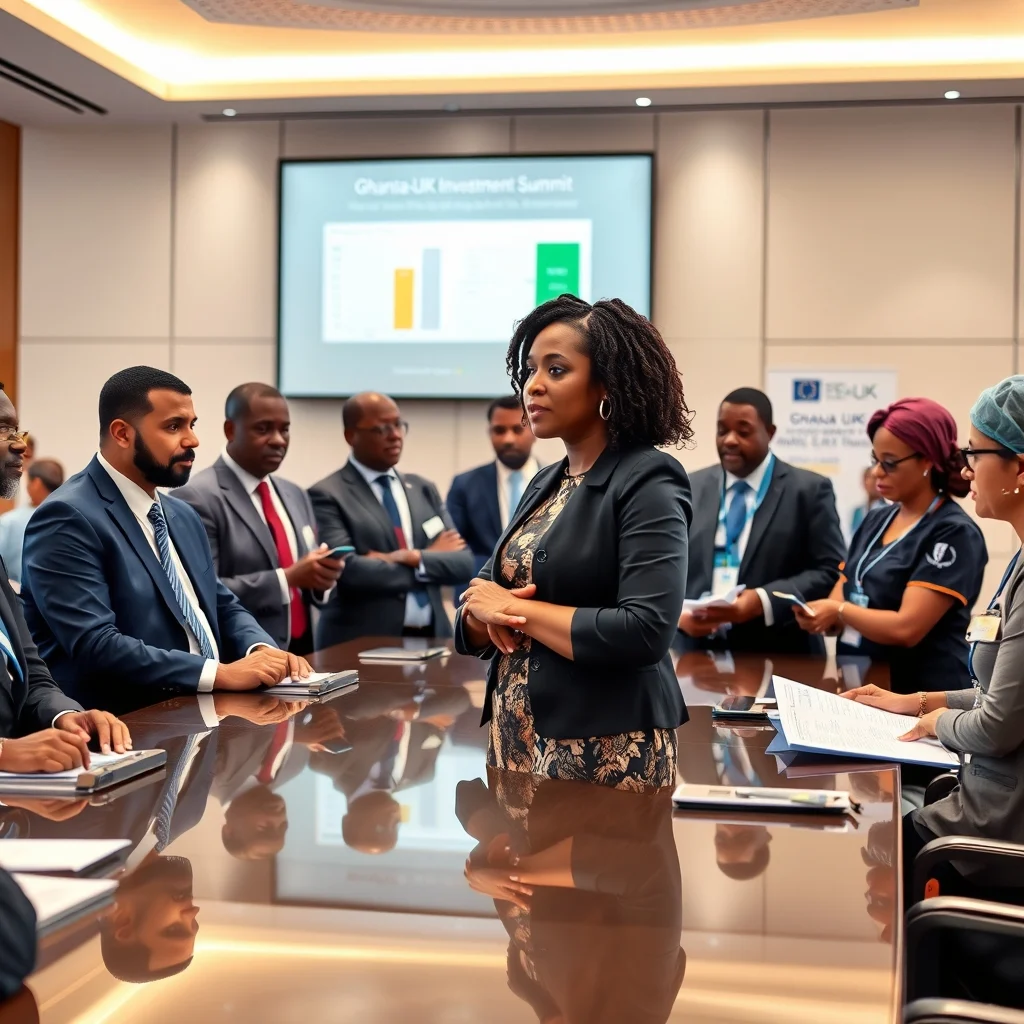
The Real Estate Agency Council in Ghana is set to significantly increase its enforcement against unlicensed real estate agents and brokers, a move announced in Accra on Thursday. This intensified crackdown aims to combat illegal practices, protect consumers, and rebuild trust within the nation’s real estate sector. The announcement came from Jacob Adofo-Ansong, President of the Ghana Association of Real Estate Brokers (GARIB) and a Board Member of the Council, during a stakeholder engagement with the Bank of Ghana.
Context: A Regulated Industry Emerges
For years, real estate brokerage in Ghana operated largely informally. However, the landscape has shifted dramatically with the passage of the Real Estate Agency Act, 2020 (Act 1047). This legislation has transformed the profession into a formally regulated business.
The Act establishes clear industry standards, mandates licensing requirements for all practitioners, and outlines disciplinary processes for misconduct. This regulatory framework is designed to professionalize the sector and provide a lawful structure for addressing grievances and protecting stakeholders.
Enforcement and Consumer Protection
Mr. Adofo-Ansong highlighted that while concerns about the sector persist, the existence of a regulator and licensed professionals offers a pathway for consumer protection. He stated that the Council will soon escalate its monitoring and enforcement activities. This will include inspections of real estate offices and their operations.
Individuals or firms found operating without the requisite licenses will face legal consequences. Mr. Adofo-Ansong urged existing licensed professionals to actively assist in protecting the sector by reporting any illegal practices they encounter.
He acknowledged the presence of many unlicensed operators in the market. These individuals undermine the credibility of licensed professionals and expose the public to potential fraud and transactional disputes. The goal is to make illegal practices difficult and unattractive.
Leveraging Financial Systems for Security
The stakeholder engagement also touched upon the role of the Bank of Ghana’s Collateral Registry system. Mr. Adofo-Ansong emphasized its importance in preventing property-related fraud. Real estate brokers were urged to familiarize themselves with this system.
Understanding the Collateral Registry helps agents avoid marketing or selling properties that have already been pledged as collateral for loans. This due diligence is crucial for protecting clients from unforeseen complications.
Fred Asiamah-Koranteng, Head of the Collateral Registry Department at the Bank of Ghana, reinforced the importance of sound regulation. He noted that the Borrowers and Lenders Act 2020 (Act 1052) and the Collateral Registry are key innovations aimed at transforming Ghana’s credit landscape by reducing risk and promoting a secure lending environment.
Mr. Asiamah-Koranteng called for transparency in both financial and real estate transactions to foster trust among all stakeholders. He stressed the importance of conducting searches and understanding potential hindrances in property dealings.
Growing Institutional Support for Regulation
The regulatory push is gaining traction with support from various institutions. Banks are increasingly requiring proof of licensing before opening business accounts for real estate firms. Local assemblies are also verifying licenses before approving signboards and billboards for real estate businesses.
Even international entities are becoming more discerning. Mr. Adofo-Ansong noted that members of the diplomatic and international community are showing a greater intention to engage only licensed practitioners. This trend signals a positive direction for the industry’s professionalization.
Enhancing Visibility and Public Awareness
The Council is actively working to increase the visibility of licensed professionals. The aim is to make it easier for the public to identify and engage with agents and brokers operating legally. This increased transparency is expected to gradually marginalize illegal operations.
Mr. Adofo-Ansong also appealed to the media to play a constructive role. He encouraged media outlets to guide the public towards licensed agents rather than generalizing misconduct across the entire profession.
Despite reforms, limited public awareness about the regulatory framework remains a challenge. The Bank of Ghana is intensifying its financial literacy and outreach programs to build confidence in the credit system. Mr. Asiamah-Koranteng reminded real estate professionals that they are key enablers of transparency and due diligence.
Future Outlook
As Ghana’s real estate sector continues to grow, the responsibility for its integrity falls on all stakeholders. The forthcoming intensified enforcement, coupled with ongoing collaborative efforts and public education, is poised to make the industry safer, more reliable, and more respected. The public can expect to see more visible efforts to distinguish licensed professionals from unlicensed operators in the coming months, potentially leading to a significant shift in market dynamics and consumer confidence.








Leave a Reply