
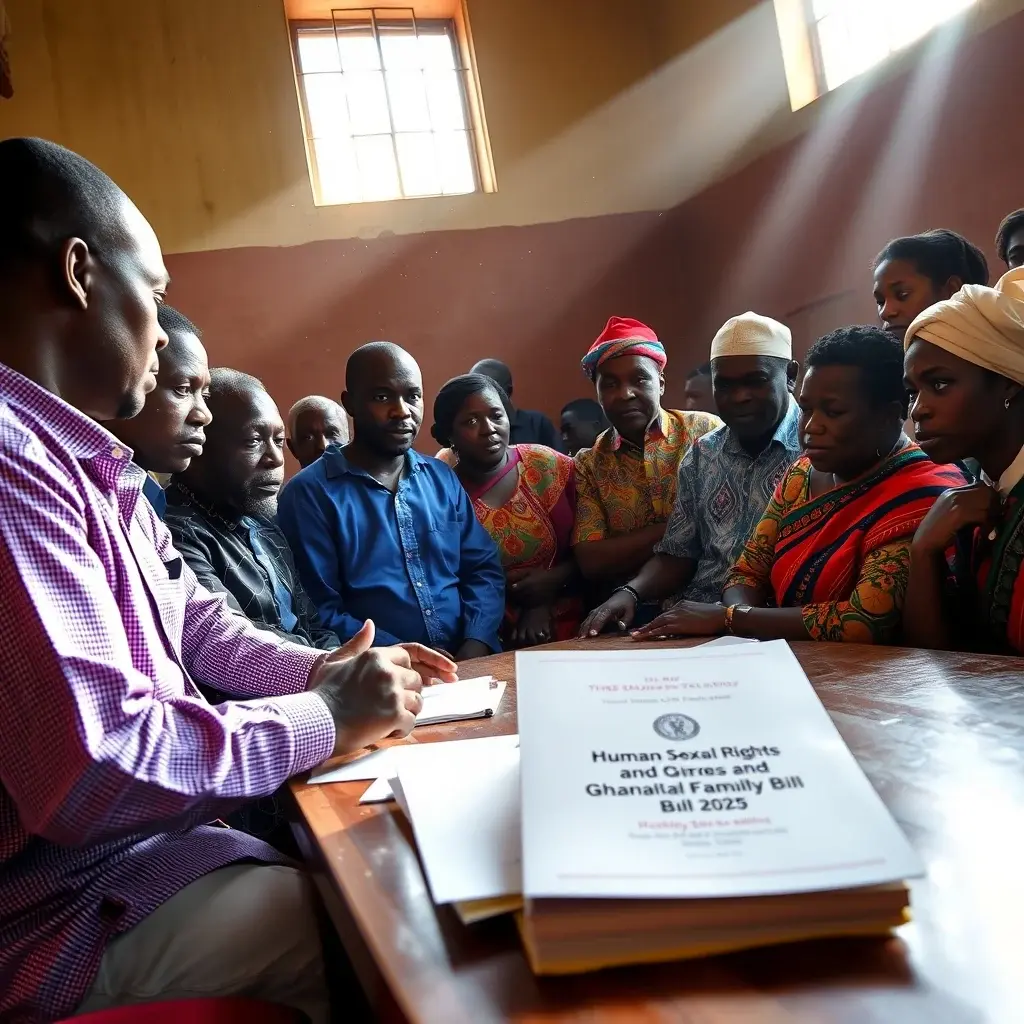
Ho Central Member of Parliament, Richmond Edem Kpotosu, is urging Ghanaians to brace for potential consequences following the approval of the Human Sexual Rights and Ghanaian Family Bill 2025. Speaking in the Volta Regional capital of Ho, Kpotosu warned that the nation might face penalties, including reduced foreign aid and diminished opportunities, due to its stance against same-sex practices and marriages.
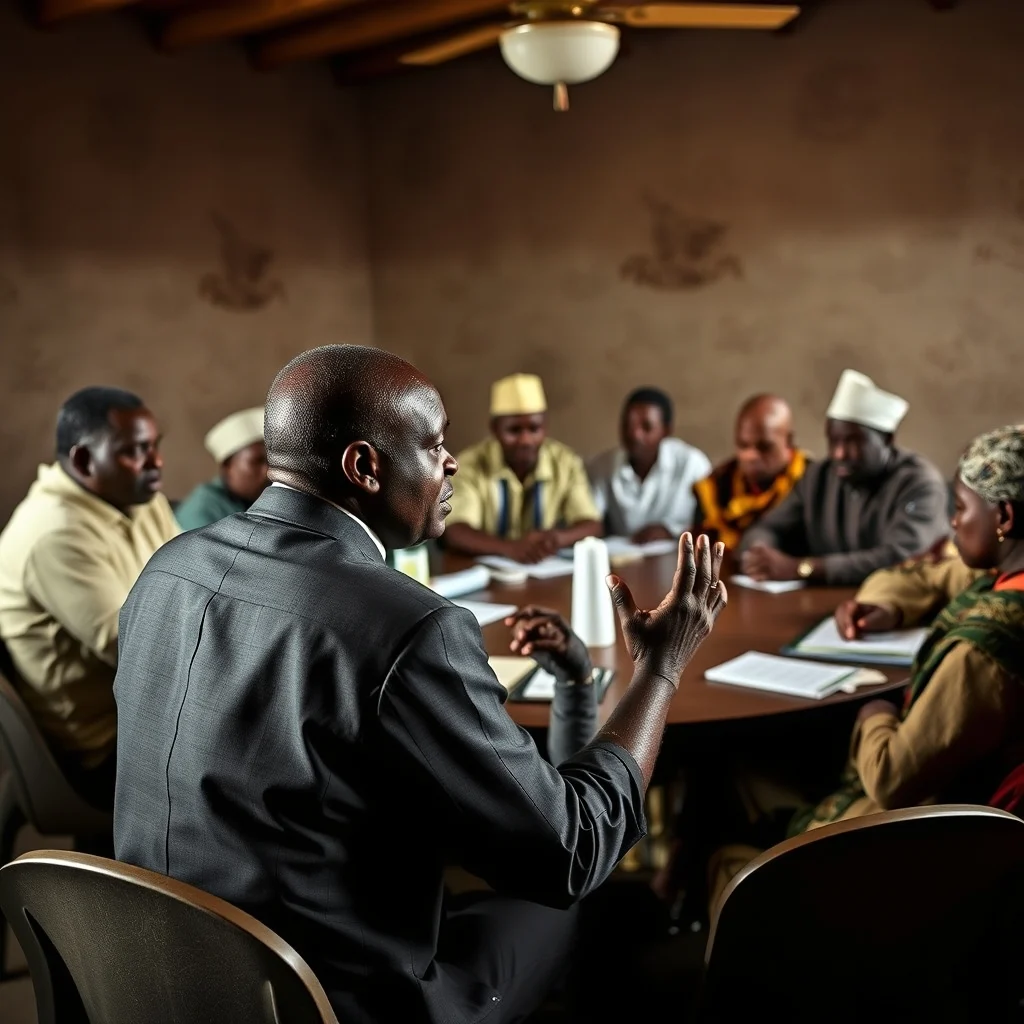
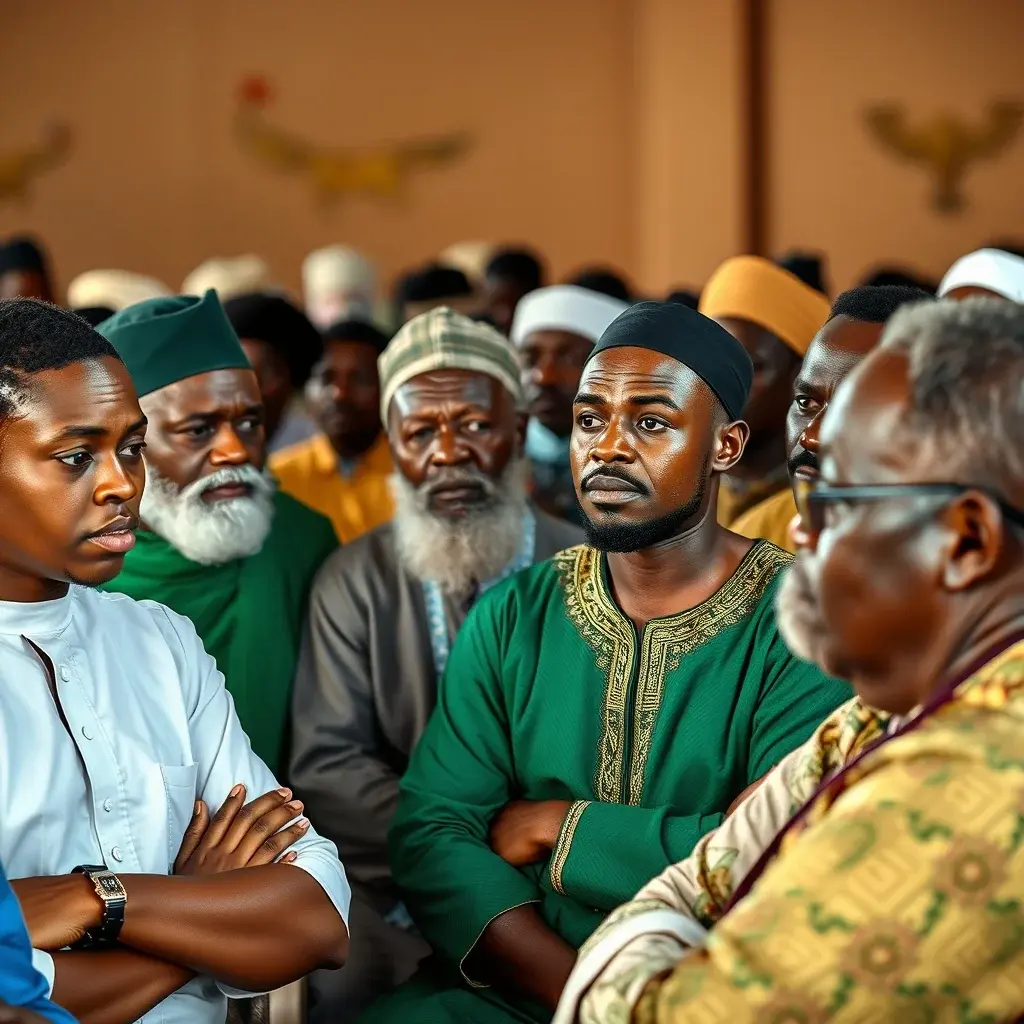
The warning came during a roundtable discussion organized by Kpotosu’s office, which focused on the implications of the recently passed bill. The event brought together a diverse group of stakeholders, including youth leaders, security personnel, civil society organizations, clergy, Muslim leaders, traditional elders, and members of the public.
Context of the Bill and International Relations
The Human Sexual Rights and Ghanaian Family Bill 2025, which criminalizes LGBTQ+ identities and relationships, has drawn significant international attention. While supporters argue it upholds Ghanaian cultural and moral values, critics, including international human rights organizations and some foreign governments, have raised concerns about its potential impact on human rights and international partnerships.
Kpotosu specifically addressed concerns about economic repercussions, countering arguments that international trade would cease. “They cannot say they will not buy our gold, our cocoa. They need the cocoa in their industries. They need the gold for their mobile phones and other products, so they will continue purchasing, and business will go on,” he stated. Despite these potential economic ties, he cautioned, “So, my dear constituents, let us brace ourselves for any consequences following the President’s assent. We may suffer, but we shall prevail.”
Debate Surrounding the Bill’s Passage
The MP also addressed internal parliamentary debates, criticizing claims by a minority that the bill had been amended before its passage. Kpotosu asserted that President Akufo-Addo would not have signed the bill in its current form if it had undergone significant changes. He suggested that the minority’s silence during crucial voting stages was strategic, aimed at avoiding further division or an outright rejection of the bill’s anti-LGBTQ+ provisions.
“Our friends from the other side, if they had had their way, would have said that we didn’t form a quorum. But they know that if they mention the word quorum, the parties will say that they do not want us to fight LGBTQ. So, they kept silent; they couldn’t say anything,” Kpotosu explained. He further elaborated, “And all the claims that we changed the bill — if they submitted the same version that we passed yesterday to Akufo-Addo, he would not sign it because he has already made up his mind not to sign.”
Broader Societal Concerns and Xenophobia
The roundtable discussion also touched upon broader societal issues, with Kpotosu condemning the recent xenophobic attacks in South Africa. He expressed solidarity with Ghanaians who have been victims of such violence, urging for a unified national effort to create a safe environment for all citizens within Ghana.
Discussions during the event focused on preserving the nation’s moral standards and protecting society from what participants described as the infiltration of foreign cultures promoting immorality. The objective was to ensure the safeguarding of societal values while navigating complex social and legal changes.
Implications and Future Outlook
The passage of the Human Sexual Rights and Ghanaian Family Bill 2025 sets Ghana on a path that could lead to strained international relations and potential economic sanctions, as warned by MP Kpotosu. Governments and international bodies that champion LGBTQ+ rights may reconsider their aid and trade agreements with Ghana.
The internal political dynamics surrounding the bill’s passage also highlight deep divisions within Ghana’s legislative body. The discourse at the Ho roundtable indicates a strong societal push to maintain traditional values, even at the risk of international isolation. The coming months will be crucial in observing how Ghana navigates these external pressures and internal societal demands, and whether the predicted consequences materialize.






Leave a Reply