
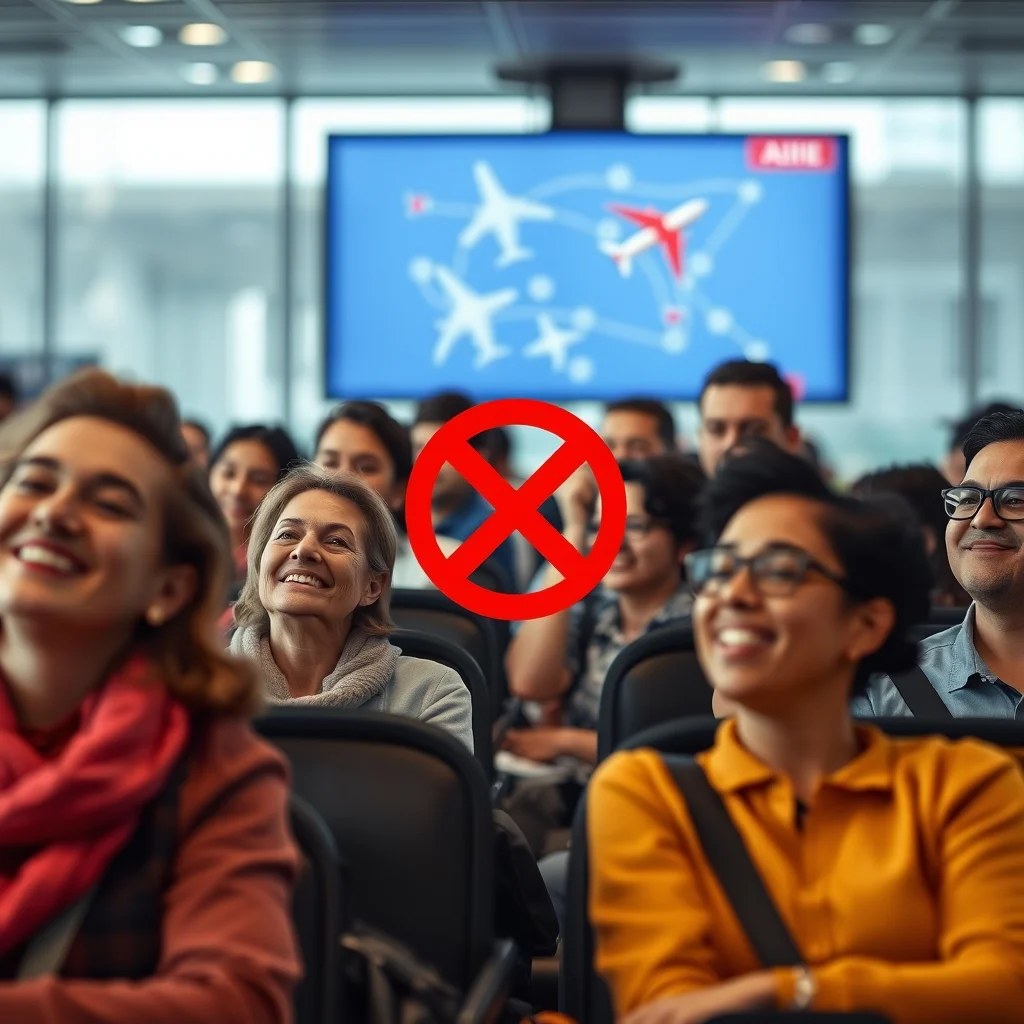
A new government proposal aims to create a national blacklist, potentially preventing abusive and disruptive passengers from flying with any airline in the UK. The initiative, currently under discussion between the Department for Transport and airline officials, seeks to allow airlines to share information on problematic individuals, thereby restricting their access to flights. This move comes as a response to a perceived rise in rowdy, problematic, and drunken behaviour, particularly during peak travel seasons like summer.
Addressing a Persistent Problem
The issue of disruptive passengers has long plagued the airline industry, threatening the safety of both crew and fellow travelers, and significantly disrupting hard-earned holidays. Currently, while individual airlines can ban unruly passengers from their services, there is no overarching system to prevent these individuals from simply booking flights with a different carrier. This loophole allows a persistent troublemaker to continue their disruptive behaviour across the aviation network.
A government source highlighted the unacceptability of antisocial behaviour on flights, stating, “Everyone should be able to enjoy a pint at the airport, but antisocial behaviour on flights is totally unacceptable.” The source emphasized that such actions not only disrupt travel plans but also pose a direct threat to the safety of everyone on board. Officials are scheduled to meet with airline representatives this month to hash out the operational details of the proposed scheme.
Potential Framework and Challenges
The proposed national database could be jointly managed by the government and the airline industry. Importantly, the proposal is being framed in a way that suggests it might not require new legislation. However, a significant hurdle to overcome will be compliance with current data protection regulations, specifically the General Data Protection Regulation (GDPR).
Under current GDPR rules, the broad sharing of passenger details is restricted. This limitation currently prevents a passenger banned by one airline from being automatically flagged and banned by others. “There are already tough laws in place to deal with offences committed on flights, but we are exploring with industry how we can better address this issue, ensuring we crack down on people who persistently cause chaos,” the government source added. The goal is to ensure that “everyone should be able to fly without fuss.”
Industry Support and Real-World Examples
Airlines have expressed strong support for such a measure. Jet2, a family-focused airline, has already implemented a zero-tolerance policy, banning two passengers for life in February after a severe mid-air incident that led to an emergency landing. Phil Ward, Jet2’s chief operations officer, stated, “We would support a government plan for a formal scheme to share information on disruptive passengers across airlines and have been lobbying for this for some time.”
Ward further elaborated, “The creation of a national database will mean that, as well as being banned from flying with us, disruptive passengers can also be banned from flying with other UK airlines. We look forward to meeting with the government to discuss further.” Airlines UK, representing the broader industry, also welcomed the idea, calling a national ban list an “important next step” to protect the majority of passengers from the disruptive actions of a few.
The need for stricter measures is underscored by recent incidents. In April, a court heard the case of Stephen Blofield, 61, whose drunken and abusive behaviour on a flight from Krakow to Bristol forced the pilot to abort a landing. Blofield received a 10-month jail sentence, illustrating the severity of offenses that can occur.
Looking Ahead
The proposed national blacklist represents a significant potential shift in how the UK aviation industry tackles passenger misconduct. If successfully implemented, it could lead to a more secure and pleasant travel environment for all. The key challenges will revolve around the technical and legal frameworks required to establish and manage such a database while adhering to data protection laws. Passengers and industry stakeholders will be watching closely as the Department for Transport and airlines work through these complexities in the coming months.








Leave a Reply