
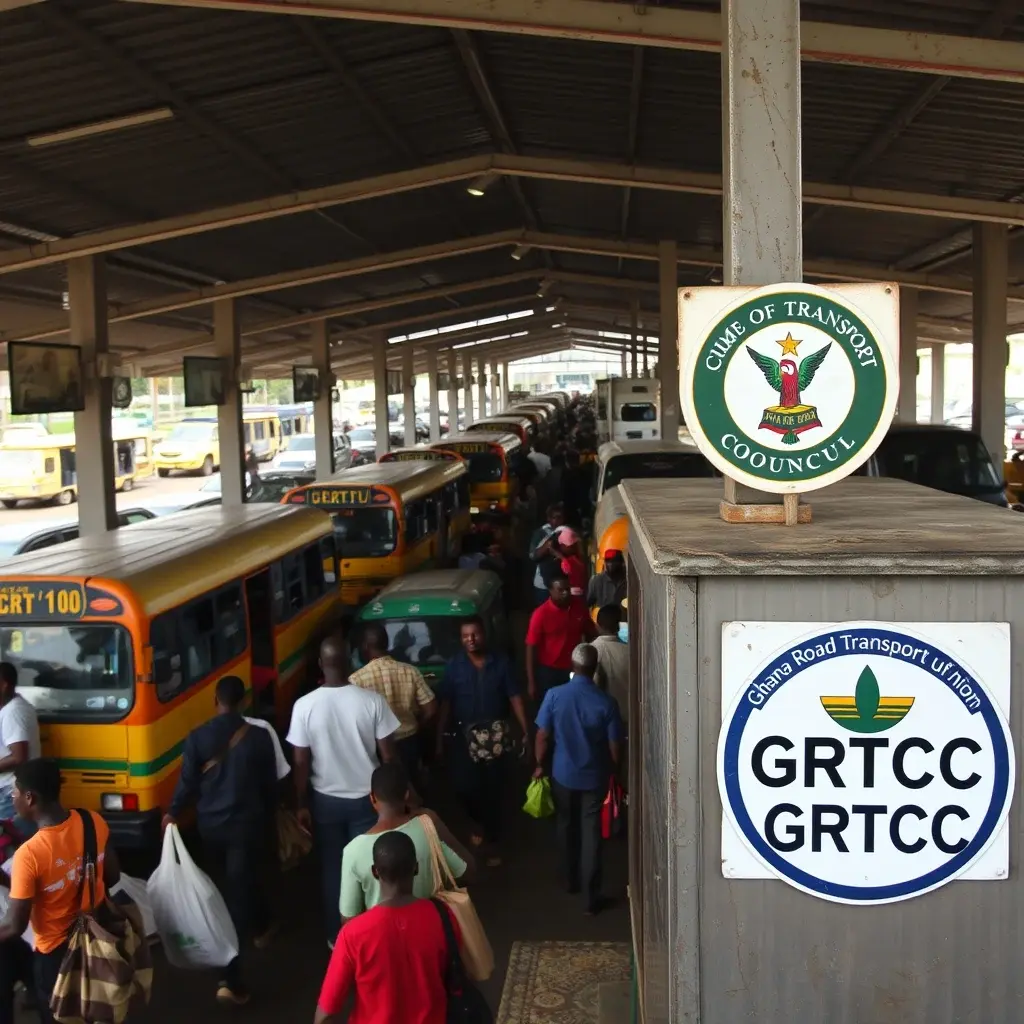
Accra, Ghana – June 1, 2026 – Ghana’s major road transport organizations have officially refuted circulating rumors of an impending 20% increase in public transport fares, set to take effect on June 2, 2026. The Ghana Private Road Transport Union (GPRTU) and the Ghana Road Transport Coordinating Council (GRTCC) issued a joint statement clarifying that no such fare adjustment has been sanctioned.
No Approved Fare Increase
In a press release dated June 1, 2026, the GPRTU and GRTCC unequivocally stated that the alleged 20% fare hike is false. They urged the public to disregard these reports entirely.
The statement, signed by Godfred Abulbire, General Secretary of GPRTU, and Emmanuel Ohene Yeboah, General Secretary of GRTCC, emphasized that the leadership is closely monitoring the current fuel price situation.
However, they assured that any necessary fare review would follow established protocols. If an adjustment is deemed necessary, the leadership pledged to officially notify the public after due process has been completed.
Procedural Irregularities Cited
A key point highlighted by the transport unions is that the purported fare increase was never discussed with the Ministry of Transport. Furthermore, it did not adhere to the agreed-upon fare adjustment procedures between the Ministry and recognized transport operators.
This lack of official consultation and procedural compliance renders the rumored increase invalid, according to the transport bodies.
Directive to Stakeholders
The joint statement issued clear instructions to all stakeholders within the road transport sector. All transport unions, drivers, vehicle owners, loading point managers, and associated entities are mandated to maintain the current, approved fares without deviation.
Additionally, the leadership of all involved organizations was urged to prevent any unilateral fare increases until further official communication is provided.
Monitoring Fuel Prices
While dismissing the current rumors, the transport unions acknowledged that fuel prices are a significant factor in operational costs. They indicated an ongoing assessment of the fuel pricing window.
This suggests that while no increase is currently approved, the possibility of future adjustments remains, contingent on economic factors and adherence to official procedures.
Implications for Commuters and Operators
The swift denial of the rumored fare hike provides immediate relief to commuters who may have been anticipating higher travel costs. It prevents potential panic and confusion at bus terminals and among drivers.
For transport operators, adhering to the directive means maintaining current revenue streams, despite potentially fluctuating operational expenses. It underscores the importance of unified action and communication through official channels.
What to Watch Next
The focus now shifts to the ongoing monitoring of fuel prices by the transport unions. Commuters and stakeholders will be watching for any official pronouncements from the GPRTU and GRTCC regarding potential future fare reviews, should economic conditions necessitate them. The adherence to established protocols and transparent communication will be crucial in managing public expectations and maintaining stability within the sector.






Leave a Reply