
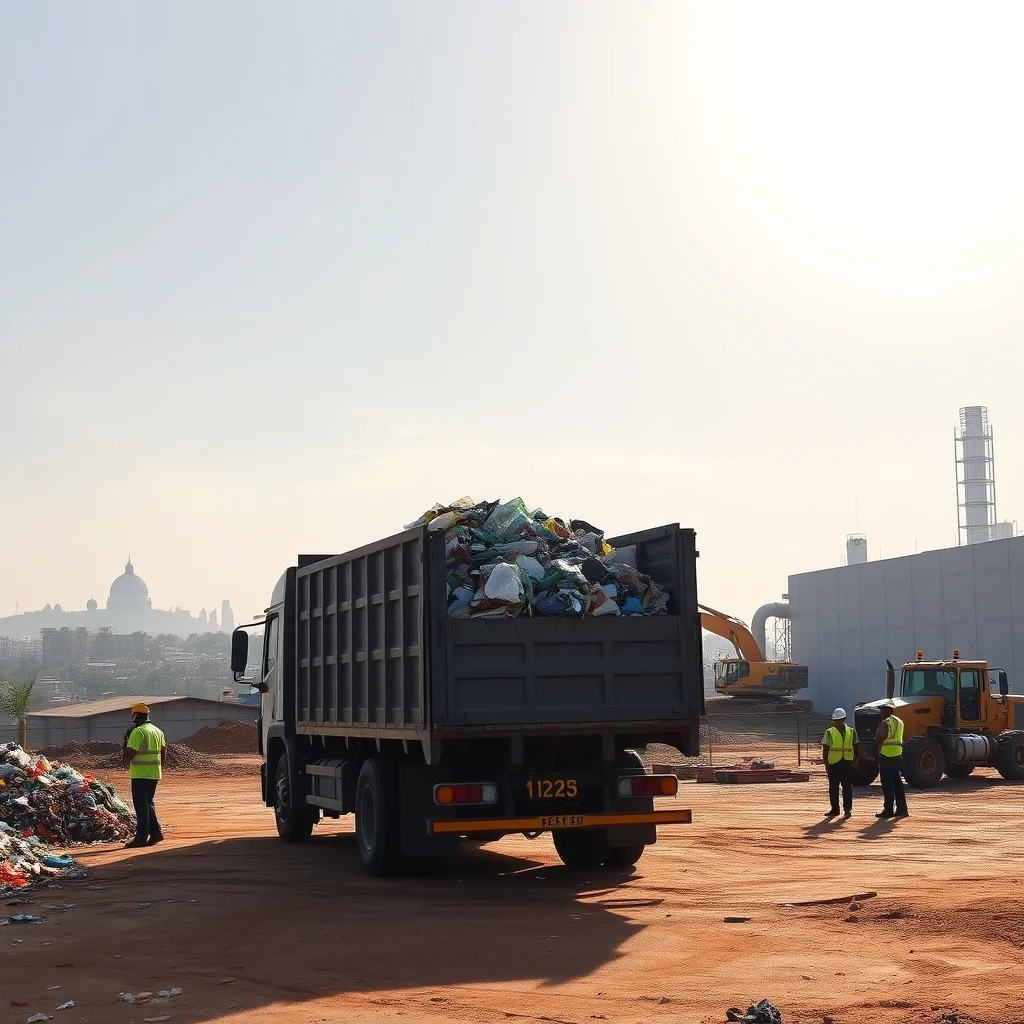
The Accra Metropolitan Assembly (AMA) and Numatter Recycling Technologies Ltd. have finalized a binding feedstock agreement, committing to supply 100 metric tonnes of plastic waste daily to Ghana’s inaugural industrial-scale pyrolysis plant. This pivotal agreement, signed recently in Accra, solidifies the necessary long-term plastic waste supply, propelling the project towards full construction and operation and marking a significant stride in Ghana’s ambition to establish a robust circular economy and modern waste management infrastructure.
Context: Ghana’s Plastic Waste Challenge
Plastic waste poses one of Ghana’s most significant environmental challenges. Low-value materials such as sachets and multilayer plastics frequently clog drainage systems, pollute waterways, and accumulate in landfills. This situation exacerbates flooding, contributes to widespread pollution, and poses considerable public health risks across the nation’s capital and beyond.
The initial memorandum of understanding for this project was announced in September 2025. The newly executed agreement provides the crucial commercial and operational certainty required to secure financing, commence construction, and ensure the long-term viability of the waste-to-fuel facility.
Project Details and Technological Approach
Under the terms of the agreement, the AMA will be responsible for coordinating and channeling post-collection plastic waste from across Accra to the Numatter facility. Numatter Recycling Technologies will then process this waste using a structured waste-to-fuel system. This process is designed not only to reduce pollution and improve sanitation but also to generate valuable fuel resources locally.
The plant will employ Hydroxy Systems’ patented pyrolysis technology. This advanced method converts end-of-life plastics into marketable products, including petrol, diesel, kerosene, and activated carbon. The agreement establishes legally binding commitments for both the supply of sorted plastic waste and guarantees the processing volumes necessary for the plant’s efficient operation, creating a direct link between waste collection efforts and industrial production output.
Economic and Social Impact
Project developers anticipate substantial socio-economic benefits, estimating the creation of approximately 1,500 direct and indirect jobs. These employment opportunities will span various sectors, including waste collection, sorting, transportation, logistics, and the operation of the plant itself.









Leave a Reply