
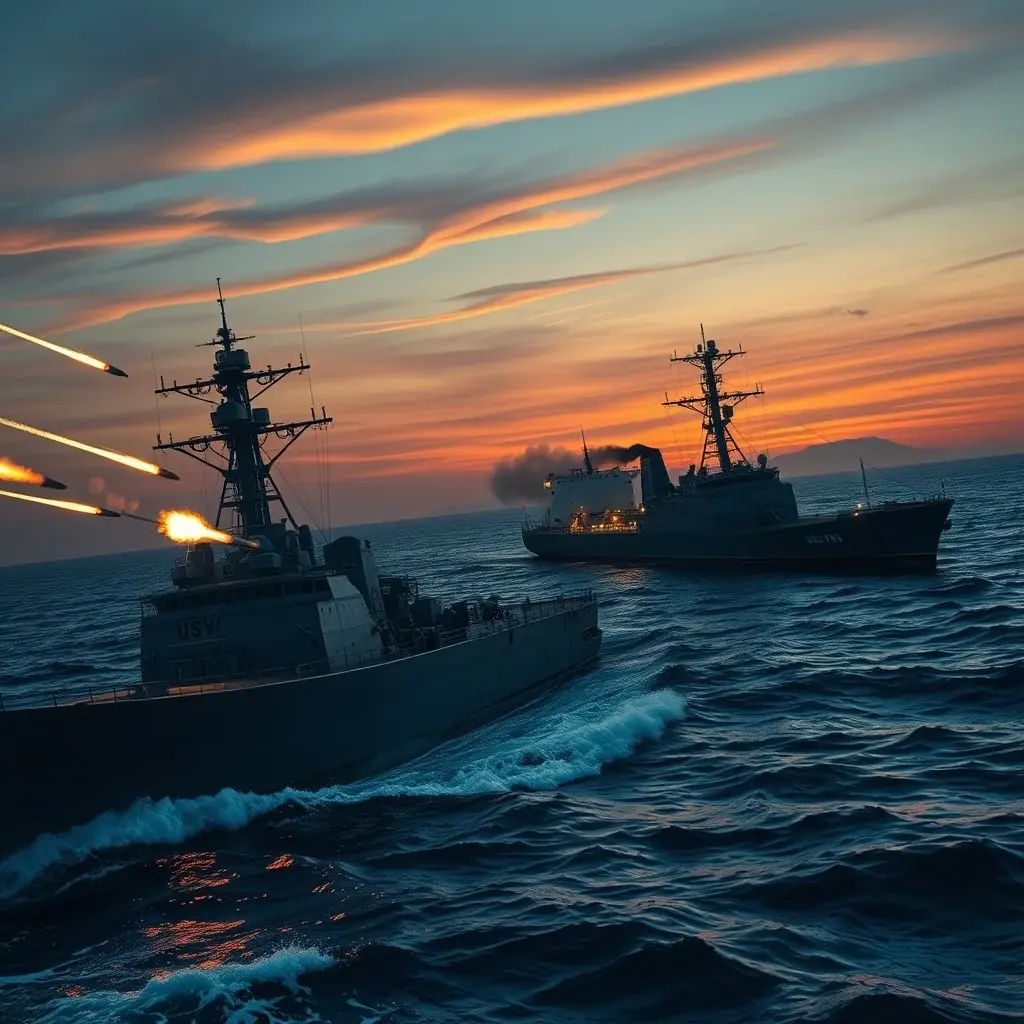
The United States military conducted “self-defence” strikes on Iran’s Qeshm Island overnight, in retaliation for what it described as attempted attacks by Iran on ships and Gulf countries, including ballistic missiles and drones fired towards Kuwait and Bahrain. The exchange of fire occurred as ceasefire negotiations between the two nations reportedly stalled over the weekend.
Context of Escalating Regional Conflict
The recent strikes underscore the volatile geopolitical situation in the Middle East, particularly concerning the vital Strait of Hormuz, a critical chokepoint for global oil trade. Iran has repeatedly targeted locations where US military bases are situated, including in Bahrain and Kuwait. These actions escalate tensions that have been simmering for months, impacting regional stability and international shipping.
Direct Confrontation and Damage
US Central Command (Centcom) stated that its strikes on Qeshm Island targeted an Iranian military ground control station. Centcom also reported intercepting three Iranian attack drones aimed at civilian vessels transiting regional waters. In Kuwait, official reports indicated that one person was killed and over 60 injured when drones struck buildings, including its international airport. Kuwait’s defence ministry spokesman denounced the attack as “criminal Iranian aggression.”
Centcom also confirmed disabling an unladen oil tanker sailing towards Iran as part of an ongoing naval blockade in the Strait of Hormuz, which commenced on April 13. The US aircraft reportedly fired a Hellfire missile after the vessel’s crew “ignored repeated warnings.” Iran’s Islamic Revolution Guard Corps (IRGC) issued a warning, stating that “disrupting the security of the Strait of Hormuz will carry a heavy price for the aggressive US military.”
Stalled Peace Talks and Shifting Demands
The military exchanges occurred against a backdrop of stalled ceasefire negotiations. Reports suggest a potential deal to end the ongoing conflict has failed to advance. US President Donald Trump had previously expressed optimism about reaching a deal with Iran, stating the country “really wants to make a deal, and it will be a good one for the USA.” However, US media indicated that President Trump had requested revisions to the terms of a potential peace agreement, specifically concerning the Strait of Hormuz and the removal of highly enriched uranium from Iran.
Iran’s foreign ministry spokesman, Esmail Baghaei, denied that these specific points were on the negotiating table, accusing Washington of “constantly changing its views and putting forward new or contradictory demands.” President Trump, in a recent interview, claimed Iran had “already agreed” not to possess nuclear weapons and indicated that Iran’s supreme leader was involved in the talks. He also expressed openness to meeting with the Iranian leader.
US Stance on Sanctions Relief
US Secretary of State Marco Rubio informed Congress that no sanctions relief had been offered to Iran in exchange for reopening the Strait of Hormuz. He clarified that any potential sanctions relief is contingent on Iran addressing the reasons for the sanctions, primarily its nuclear program. Rubio also declared, “The war is over,” amidst questioning from lawmakers regarding the US strategy for conflict resolution.
Regional and International Implications
The escalating conflict and the direct attacks on civilian infrastructure in Kuwait raise significant concerns for regional stability. The disruption of shipping lanes in the Strait of Hormuz could have severe economic repercussions globally. The breakdown in diplomatic efforts further complicates the path towards de-escalation and peace.
What to Watch Next
Eyes will be on how both the US and Iran respond to these latest escalations and whether the stalled ceasefire talks can be revived. The international community will be closely monitoring the situation around the Strait of Hormuz for any further disruptions to maritime traffic. Additionally, developments regarding Iran’s nuclear program and the potential for direct high-level meetings between the US and Iran will be critical indicators of future diplomatic pathways.








Leave a Reply