
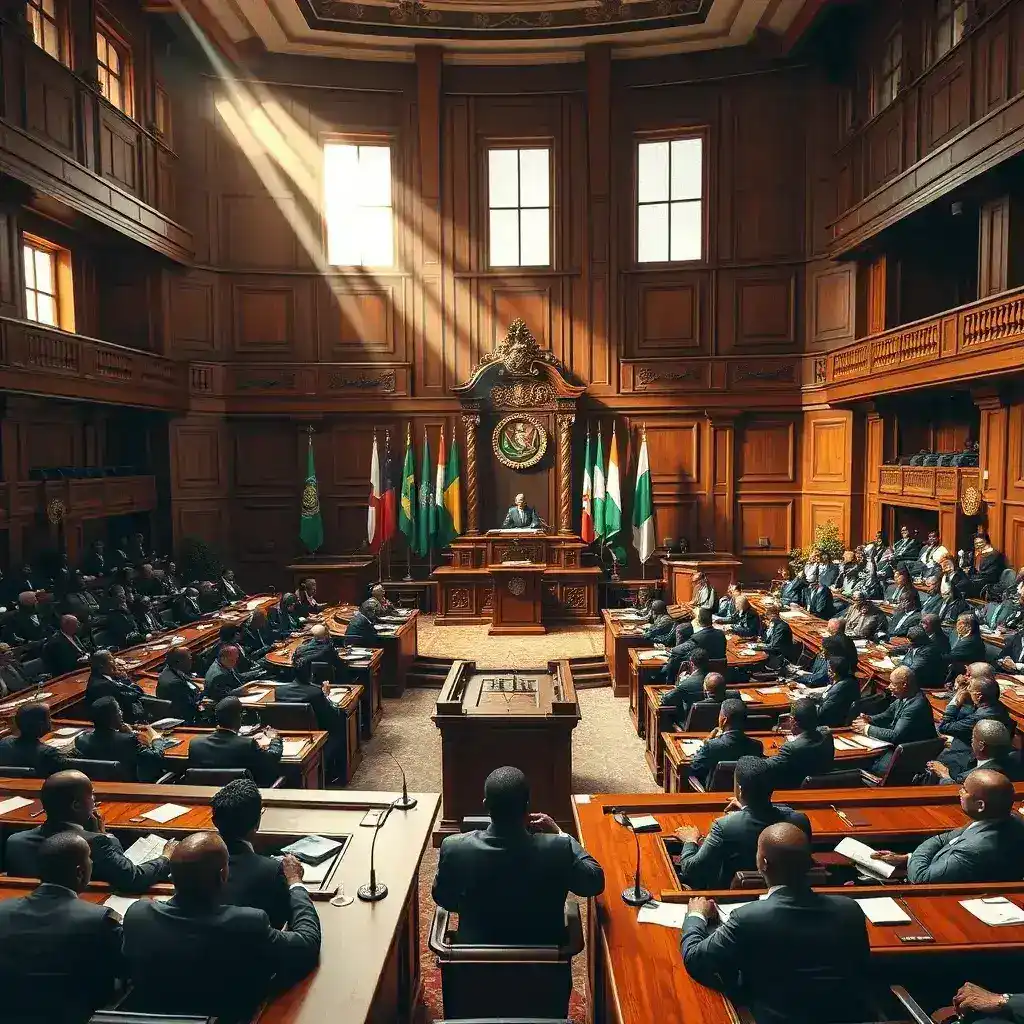
Speaker of Ghana’s Parliament, Alban Sumana Kingsford Bagbin, has suspended parliamentary sittings for three days this week to accommodate an African parliamentary conference focused on LGBTQ-related issues within the main debating chamber. The conference, held in Accra, brings together leaders of African parliaments to discuss perceived external influences on family values, coinciding with a surge in anti-LGBTQ legislation across the continent.
Context of Heightened Legislative Activity
This development occurs at a critical juncture, as several African nations are actively advancing stricter laws targeting LGBTQ individuals and rights. The conference’s timing underscores a growing regional trend and a unified stance by some African leaders against what they describe as Western interference in cultural and family norms.
Ghana’s Recent Legislative Move
Ghana’s own Parliament recently passed the Human Sexual Rights and Family Values Bill, 2025, on Friday, May 29, 2026. This bill, which criminalizes LGBTQ conduct and advocacy, has intensified both regional and international debate. Despite its passage, Speaker Bagbin has publicly urged Parliament to reconsider the bill, highlighting internal divisions and the complex ethical considerations involved.
The Conference’s Objectives and Participants
Organizers of the conference state its primary aim is to foster dialogue among African parliamentarians on safeguarding traditional family values against what they term “external influences.” The event is expected to conclude by the end of the week, after which parliamentary sittings are scheduled to resume. Leaders from various African parliaments are participating, engaging in discussions that reflect a broader conservative push on the continent.
Regional and International Scrutiny
The conference and the recent legislative actions in Ghana have drawn significant attention from international human rights organizations and Western governments, who often view such measures as discriminatory and a violation of fundamental human rights. Reports from organizations like Human Rights Watch have documented the increasing legal and social challenges faced by LGBTQ communities in Africa.
Expert Perspectives and Data
Dr. Amina Hassan, a sociologist specializing in African social trends, commented, “This conference represents a coordinated effort by some African nations to assert their sovereignty in defining social norms, pushing back against perceived Western-imposed values. However, it risks alienating a significant portion of their population and facing international condemnation.” Data from the Pew Research Center indicates varying levels of public support for LGBTQ rights across African nations, with generally lower acceptance rates compared to Western countries, though urban centers often show more progressive views.
Implications for Ghana and the Continent
The suspension of parliamentary sittings highlights the significant weight placed on this conference by Ghana’s leadership. The outcome of the discussions could influence future legislative directions across Africa regarding LGBTQ rights. For Ghana, the ongoing debate around the recently passed bill, coupled with the Speaker’s call for reconsideration, suggests a period of intense internal deliberation and potential policy adjustments. The international community will be closely watching to see if Ghana upholds the bill or revises it in light of domestic and global concerns.
What to Watch Next
Attention will now turn to the resolutions or declarations emerging from the African parliamentary conference. Observers will also monitor Ghana’s Parliament for any subsequent actions regarding the Human Sexual Rights and Family Values Bill, 2025, following the Speaker’s appeal. The broader implications for LGBTQ advocacy and rights across Africa, particularly in light of similar legislative pushes in countries like Uganda and Nigeria, remain a critical area to track.










Leave a Reply