
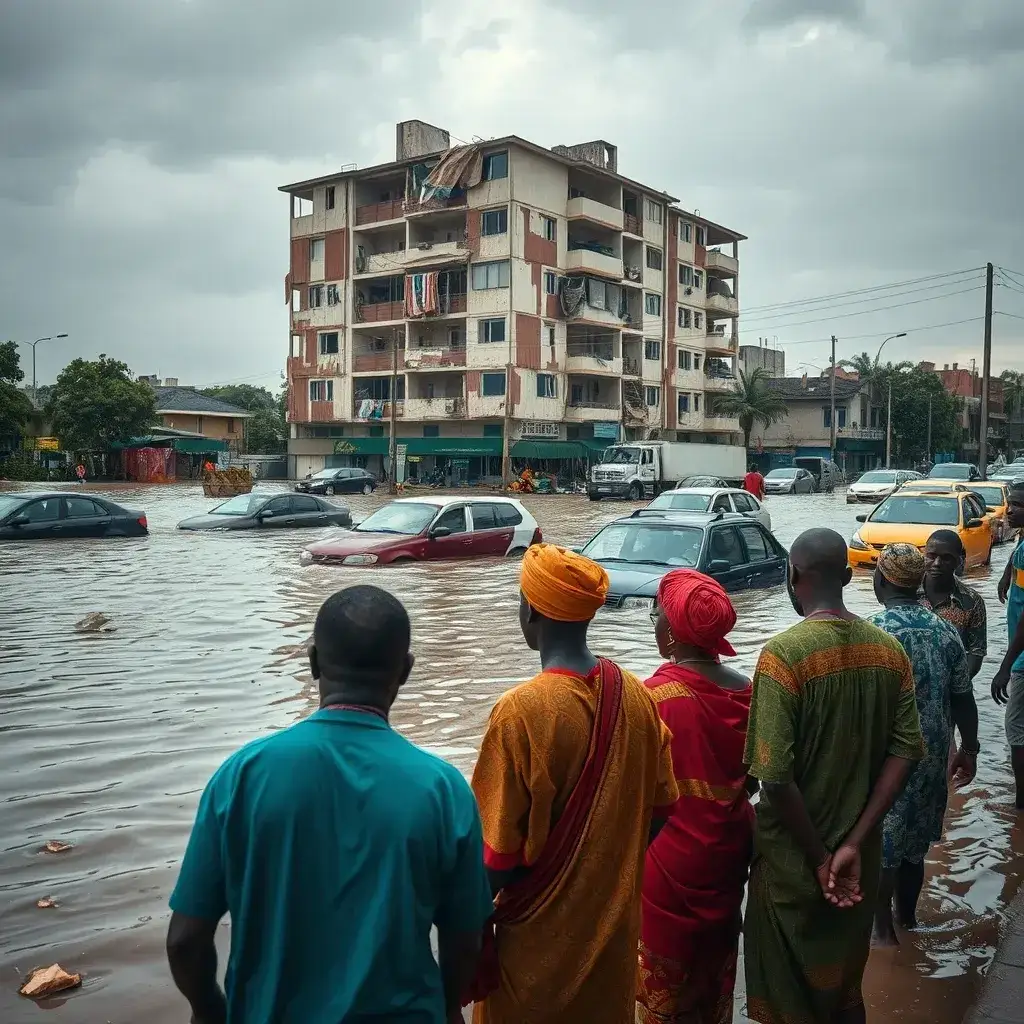
The Ghana Institution of Engineers (GhIE) is preparing a unified stance on Ghana’s recurring flooding issues and developing a platform to track government infrastructure commitments. GhIE President Ing. Ludwig Annang Hesse announced these plans during a JoyNews interview on June 3, following recent flooding in Accra after heavy rains. Engineers from various disciplines are currently in consultation to formulate a collective position on flood management and infrastructure challenges.
Context of Recurring Floods
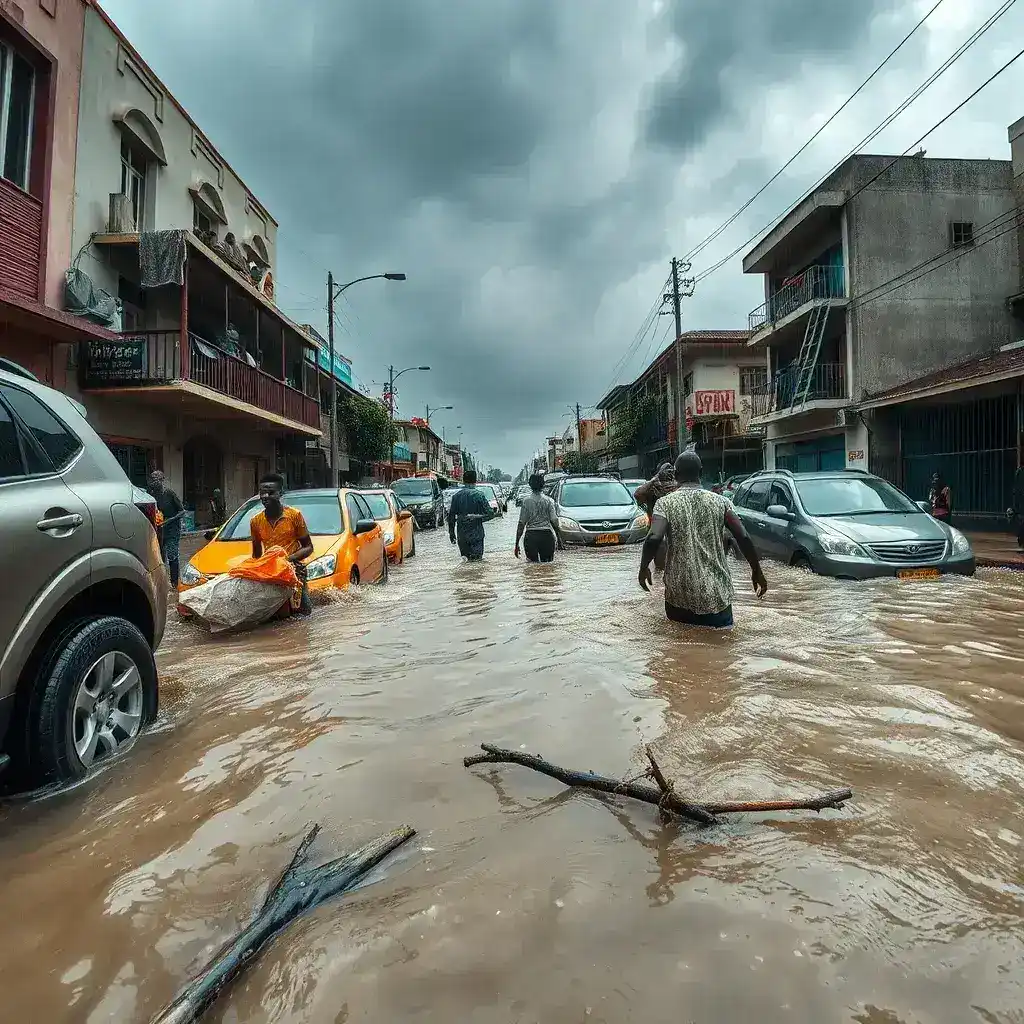
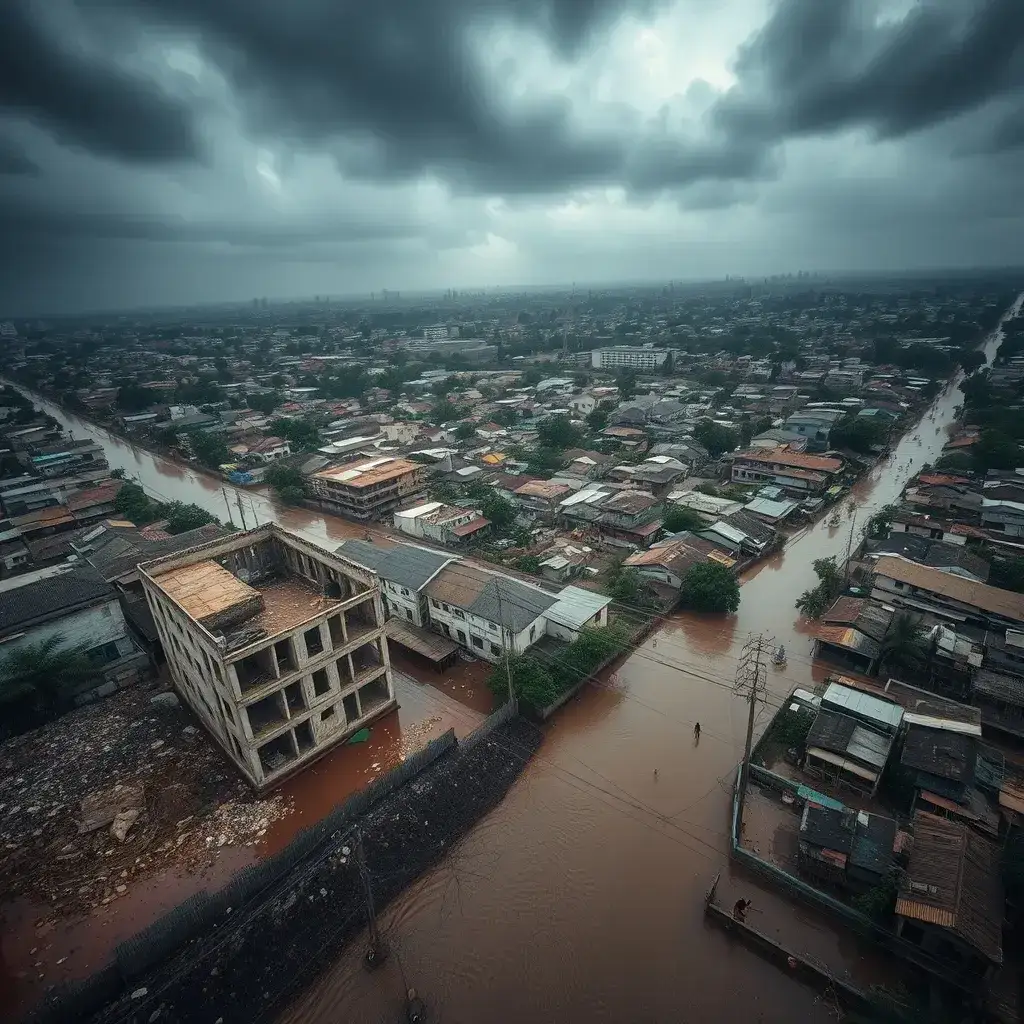
Accra and other urban centers in Ghana experience annual flooding during the rainy season. This phenomenon has persisted for decades, despite significant investments in drainage and flood mitigation projects. The recent heavy rains on Wednesday, June 3, inundated several areas of the capital, prompting renewed public questioning of the effectiveness of existing flood-control measures.
These floods disrupt daily life, damage property, and pose risks to public health and safety. They highlight a persistent gap between planned infrastructure development and actual flood resilience in Ghana’s rapidly urbanizing areas.
GhIE’s Proactive Stance
Ing. Hesse stated that the GhIE is actively consulting its members to ensure any recommendations presented are based on a broad consensus among professionals. This internal consultation is crucial before releasing a collective position on the nation’s flood management strategies.
The Institution aims to provide expert, unified advice to address the complex issue of persistent flooding. Their approach emphasizes a collaborative effort within the engineering community to offer practical and sustainable solutions.
Infrastructure Report Card and New Monitoring Platform
Before the end of June, GhIE will launch the second edition of its Infrastructure Report Card. This report, originally published about a decade ago, evaluates the condition of critical national infrastructure and identifies areas needing urgent attention. The Institution has re-engineered the report, expanding its scope beyond its initial assessment.
The council of GhIE has recently reviewed the updated report. This comprehensive assessment is expected to provide a clearer picture of the current state of Ghana’s infrastructure.
Beyond the report card, GhIE is developing a separate accountability platform. This new initiative will periodically assess the government’s delivery on its infrastructure development promises. While the Infrastructure Report Card assesses the existing state, it does not specifically track governmental commitments.
The proposed accountability platform is designed to monitor promises related to roads, drainage systems, flood-control projects, and other vital infrastructure. It aims to provide periodic assessments of government actions and their impact on national development and public well-being.
“We are working towards creating that second platform where we can now come out and probably every half year or something, come back and put a monitoring on what promises government has made in the area of engineering infrastructure and the well-being of our people,” Ing. Hesse explained.
Challenges and Commitment
Ing. Hesse acknowledged that the development of the accountability platform may take time, as much of the work relies on volunteers within the engineering profession. Despite these challenges, he expressed confidence in GhIE’s ability to deliver both the updated Infrastructure Report Card and the monitoring platform.
The Institution is committed to enhancing accountability and contributing to national development through these initiatives. Their efforts are driven by a desire to see tangible improvements in infrastructure and public services.
Looking Ahead
As the rainy season continues, stakeholders and the public will be looking to policymakers, city authorities, and engineering experts for effective solutions to the persistent flooding problem. The GhIE’s proactive steps signal a move towards greater transparency and accountability in infrastructure development and management. The effectiveness of these new initiatives and the government’s response to the proposed monitoring framework will be critical in addressing Ghana’s long-standing flood challenges.






Leave a Reply