
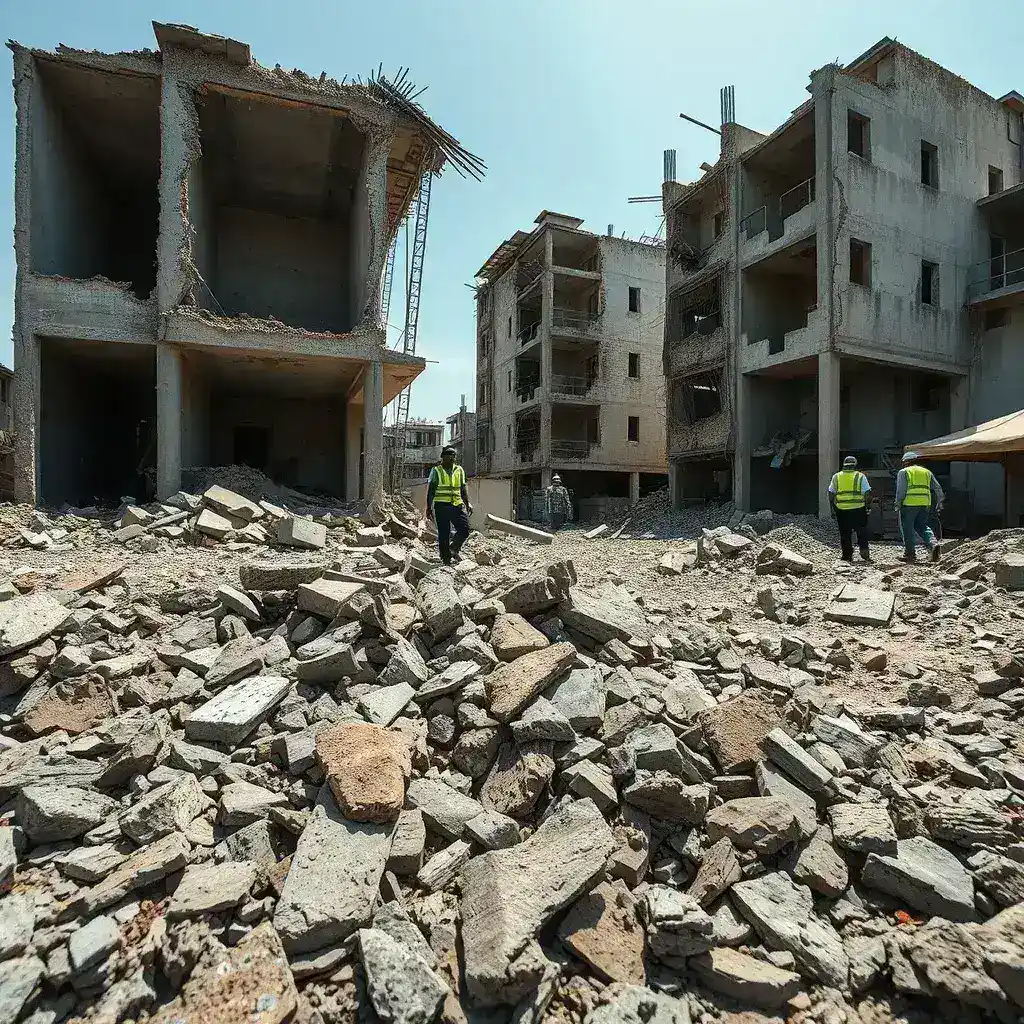
The Municipal Chief Executive (MCE) for La Nkwantanang-Madina, Ibrahim Fuseini Faila, has escalated a crackdown on unauthorized developments, with more structures slated for demolition in the coming days following a recent building collapse in Adenta. The Assembly has already removed several illegal structures and is continuing enforcement operations in identified high-risk zones.
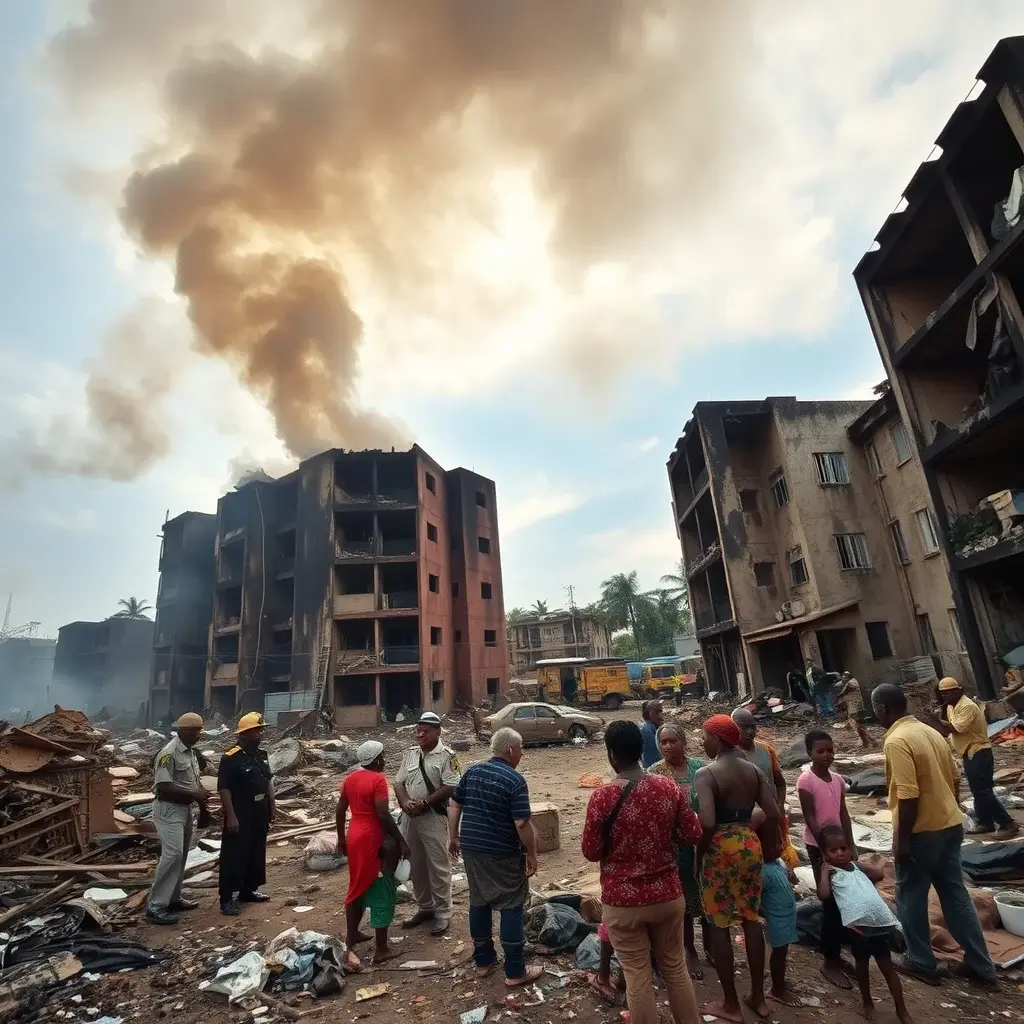
The intensified operation comes after a building collapsed in Adenta, highlighting critical issues with planning regulations and unauthorized construction. The MCE stated that the Assembly had commenced this exercise weeks prior to the incident, specifically targeting structures encroaching on waterways and situated in flood-prone areas.
Context of the Crackdown
The La Nkwantanang-Madina Municipality has been grappling with the pervasive issue of illegal construction, particularly in areas susceptible to flooding and environmental degradation. Structures erected without proper permits, often on waterways or in protected zones, pose significant risks to public safety and infrastructure.
Historically, enforcement of building regulations has been a challenge, often hampered by issues of resource allocation, political will, and sometimes, public resistance. However, recent events have galvanized the Assembly to adopt a more stringent approach.
The MCE noted that the recent building collapse served as a stark reminder of the widespread problem. “Little did we know that something like this would happen. It serves as a reminder that there are many similar structures in our communities that require urgent attention,” he remarked.
Ongoing Enforcement Operations
As of Thursday, June 4, the Assembly reported the demolition of approximately five structures. The enforcement activities are not limited to specific areas but are actively targeting identified high-risk zones throughout the municipality.
“As we speak, we have demolished about five structures. There are other buildings and even a church around the Dakobi River that are currently being pulled down,” the MCE revealed. This indicates a broad scope of the operation, affecting various types of properties.
The MCE emphasized the Assembly’s commitment to a sustained and unwavering enforcement strategy. “We are continuing the exercise and we are not going to spare anyone. We must ensure that the regulations are adhered to in order to protect lives and property,” he asserted. This firm stance signals a departure from previous, potentially less rigorous, enforcement measures.
Expert Perspectives and Data
Urban planning experts have long warned about the dangers of unchecked development, especially in ecologically sensitive areas. Dr. Ama Serwaa, an urban planning consultant, previously stated in a local forum that “unauthorized construction on waterways directly exacerbates flooding, as it obstructs natural drainage channels, leading to increased water levels and potential structural failures.”
While specific data on the number of illegal structures in the La Nkwantanang-Madina Municipality was not immediately available, anecdotal evidence and the scale of the current demolition exercise suggest a significant problem. Municipal authorities often rely on satellite imagery, ground surveys, and public tip-offs to identify non-compliant structures.
Implications for Residents and the Industry
The intensified demolition drive has direct implications for property owners who have erected structures without adhering to planning laws. It underscores the importance of obtaining all necessary permits and ensuring compliance with building codes before commencing construction.
For the construction industry, this crackdown serves as a critical reminder of the need for ethical practices and adherence to regulations. Developers and contractors are urged to prioritize safety and legality in their projects to avoid penalties and legal repercussions.
The Assembly believes that sustained enforcement will be instrumental in reducing the risk of building failures, mitigating the impact of floods, and preventing other disasters linked to poor planning and unauthorized construction. This proactive approach aims to foster a safer and more resilient urban environment.
What to Watch Next
Residents and stakeholders in the La Nkwantanang-Madina Municipality will be closely observing the continuation and scope of these demolition exercises. The long-term effectiveness of this crackdown will depend on consistent enforcement, transparent communication from the Assembly, and potential policy reforms to streamline the permitting process while strengthening oversight. Public cooperation and awareness campaigns on the importance of adhering to planning regulations will also be crucial factors in preventing future instances of illegal development.








Leave a Reply