
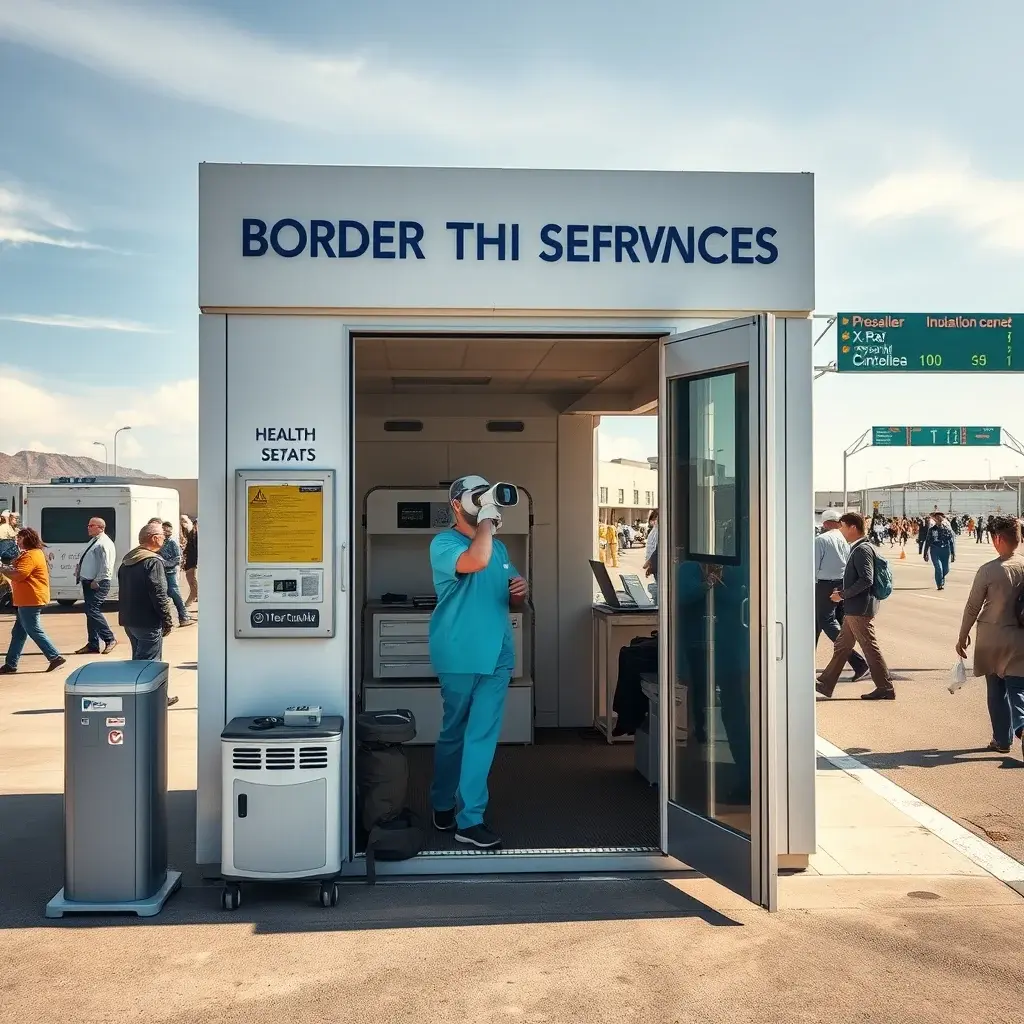
Ghana is set to construct and equip modern health posts at all its land borders in a proactive measure to bolster disease surveillance, emergency screening, and rapid response capabilities. The initiative, announced by the Deputy Minister for Health, Dr. Grace Ayensu-Danquah, during a visit to the Aflao Border Post, aims to safeguard the nation against potential health shocks, particularly following recent Ebola outbreaks in Uganda and the Democratic Republic of Congo.
Context of Heightened Alert
The government’s decision stems from a heightened alert triggered by significant Ebola outbreaks in neighboring and regional countries. These outbreaks have placed public health authorities across the West African sub-region on high alert, necessitating a robust and immediate response from Ghana.
For years, Ghana, like many nations, has relied on ad-hoc screening setups at its borders. However, Dr. Ayensu-Danquah highlighted that these temporary measures are no longer sufficient given the evolving dynamics of global infectious diseases and the constant threat of cross-border transmission.
Comprehensive Border Health Infrastructure
The new permanent health posts will be more than just screening stations. They are planned to be equipped with specialized isolation units, advanced thermal scanners, and rapid-test equipment. This infrastructure will be managed by dedicated, standby medical teams ready to act swiftly.
This strategic infrastructure rollout signifies a significant scaling up of Ghana’s preparedness. It aims to create a robust, uninterrupted network for health intelligence gathering. The goal is to detect, isolate, and manage suspected cases of diseases like Ebola at the earliest possible stage, preventing their spread into the country’s interior and urban centers.
The Deputy Minister emphasized that this initiative reflects the executive’s unwavering commitment to public health protection. It is a structural strengthening of Ghana’s border health security framework against potential Ebola infections and other viral hemorrhagic fevers.
Government Commitment and Collaboration
Dr. Ayensu-Danquah’s operational tour of the Aflao Border Post was not just an announcement but a personal assessment of the country’s frontline preparedness. Her presence underscored the seriousness with which the government is treating the potential threat.
The Ministry of Health, in conjunction with the Ghana Health Service (GHS) and international border management agencies, is expected to release detailed structural designs and logistics timelines for the construction in the coming weeks. This indicates a coordinated effort to ensure the efficient and effective rollout of this critical infrastructure.
Expert Perspectives and Data
While specific data on the number of new health posts or the budget was not detailed in the announcement, the underlying strategy aligns with global best practices for pandemic preparedness. The World Health Organization (WHO) consistently emphasizes the importance of strong surveillance systems at points of entry to prevent the international spread of infectious diseases.
The reliance on specialized equipment like thermal scanners and rapid diagnostic tests is also a key recommendation from international health bodies. These tools enable quicker identification of potential threats, allowing for faster isolation and containment measures.
Implications for Ghana and the Region
The establishment of these permanent health posts has significant implications for Ghana’s public health security. It reduces the vulnerability of the population to imported diseases, thereby safeguarding economic stability and social well-being.
For the West African sub-region, Ghana’s proactive stance could serve as a model. By strengthening its own defenses, Ghana contributes to the collective security of the region against cross-border health threats. This initiative can foster greater regional cooperation in disease surveillance and response.
What to Watch Next
The public and industry stakeholders will be closely watching for the release of the construction timelines and the specific locations for these new health posts. The successful implementation and ongoing operational effectiveness of these facilities will be crucial. Further details on the staffing, training of medical teams, and the integration of these posts into the broader national health emergency response system are also key areas to monitor.










Leave a Reply