
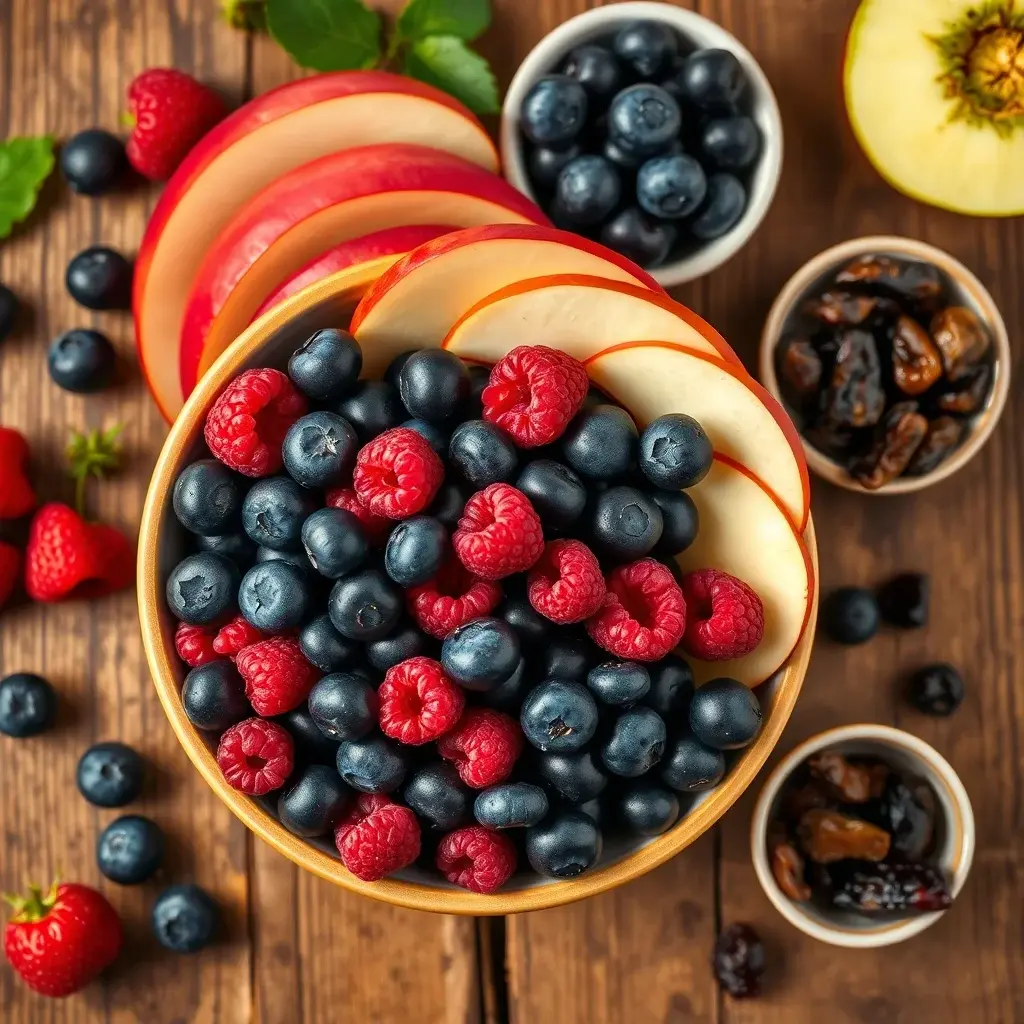
As breast cancer remains one of the most common diagnoses for women, research increasingly highlights the role of diet in risk reduction. A recent analysis suggests that incorporating specific fruits into one’s diet could play a role in lowering this risk, with a high fruit intake potentially linked to a 7 percent lower likelihood of developing the disease. This focus on fruits is driven by their rich content of fiber and phytonutrients, such as polyphenols, anthocyanins, fisetin, quercetin, hesperidin, and limonene, identified by oncology dietitians as significant contributors to breast cancer risk reduction.
While the evidence is promising, experts caution that much of the research is preclinical or observational. Oncologists emphasize that an overall healthy dietary pattern is paramount, rather than focusing on individual foods. Despite this, with a significant portion of the population not meeting daily fruit recommendations, increasing fruit consumption is viewed as a beneficial strategy.
The Power of Polyphenols and Phytonutrients
Fruits are packed with beneficial compounds that scientists are examining for their potential impact on cancer development. Fiber aids in digestion and overall health, while phytonutrients offer antioxidant and anti-inflammatory benefits.
Natalie Ledesma, an oncology dietitian at the University of California, San Francisco, points to compounds like polyphenols and anthocyanins as key players. These natural chemicals are thought to interfere with various stages of cancer cell development, from growth to spread.
Four Fruits Showing Promising Evidence
Several fruits stand out in research for their potential protective properties against breast cancer. Focusing on these can be an accessible way to boost intake and health benefits.
Apples
Often overlooked, apples are a powerhouse of polyphenols, particularly quercetin. Studies suggest a link between apple consumption and a reduced risk of breast cancer. Quercetin is being studied for its ability to target multiple pathways involved in cancer cell growth and death.
The apple peel is also a significant source of beneficial compounds. It contains triterpenoids, which have shown in animal studies to slow tumor growth and induce cell death in certain breast cancer types.
Berries
Blueberries, strawberries, raspberries, and blackberries are consistently recognized for their health benefits. They are rich in fiber and loaded with polyphenols, including anthocyanins and flavonoids.
Recent research highlights blackberries for their potential to inhibit breast cancer cell spread. Specific anthocyanins, like delphinidin found in berries, have demonstrated in lab studies the ability to suppress tumor growth and potentially enhance the body’s immune response against triple-negative breast cancer cells.
Cherries
These vibrant stone fruits, especially dark sweet cherries, are rich in anthocyanins. Animal studies indicate that these compounds may slow the growth and spread of aggressive forms of breast cancer, such as triple-negative breast cancer.
One study showed that anthocyanins from cherries could delay tumor growth without toxicity. When used alongside chemotherapy, cherry extract also helped maintain body weight, a benefit not observed with chemotherapy alone. Cherries also provide Vitamin C, potassium, and fiber, contributing to their anti-inflammatory and potential cancer-protective effects.
Dried Fruit
Raisins, dates, figs, and prunes are concentrated sources of fiber and phytonutrients. While calorie-dense, their nutrient profile makes them a valuable addition to a cancer-protective diet, provided portion sizes are managed.
Multiple studies have associated higher intake of dried fruit with a reduced risk of breast cancer. Figs, in particular, are noted for their high polyphenol content, with emerging research linking fig extracts to breast cancer risk reduction.
Broader Dietary and Lifestyle Recommendations
Beyond these specific fruits, experts like Dr. Wendy Y. Chen, a breast cancer oncologist at Dana-Farber Cancer Institute, stress the importance of an overall healthy diet and lifestyle for breast health.
This includes prioritizing whole fruits over juices, as juicing often removes beneficial fiber. Other recommendations include maintaining a healthy weight, as excess body weight, particularly post-menopause, is linked to increased breast cancer risk.
Regular physical activity is also crucial, with guidelines recommending at least 150 minutes of moderate or 75 minutes of vigorous exercise per week. Limiting alcohol consumption is advised, as even moderate intake is associated with an elevated risk of breast cancer.
A diet rich in a variety of fruits and vegetables, as emphasized by the American Cancer Society, is a cornerstone of cancer risk reduction. This includes vegetables high in carotenoids, such as carrots and squash. Limiting red and processed meats and opting for poultry, fish, beans, and legumes can also significantly lower risk.
Looking Ahead
While no single food guarantees prevention, the evidence supporting the role of fruits like apples, berries, cherries, and dried fruits in reducing breast cancer risk is growing. These findings underscore the importance of integrating nutrient-dense foods into a balanced diet. As research continues, the focus will likely remain on understanding the synergistic effects of various dietary components and promoting comprehensive lifestyle strategies for optimal breast health. Consumers are encouraged to view these fruits as valuable additions to a healthy eating pattern, complementing rather than replacing medical screening and professional health advice.










Leave a Reply