
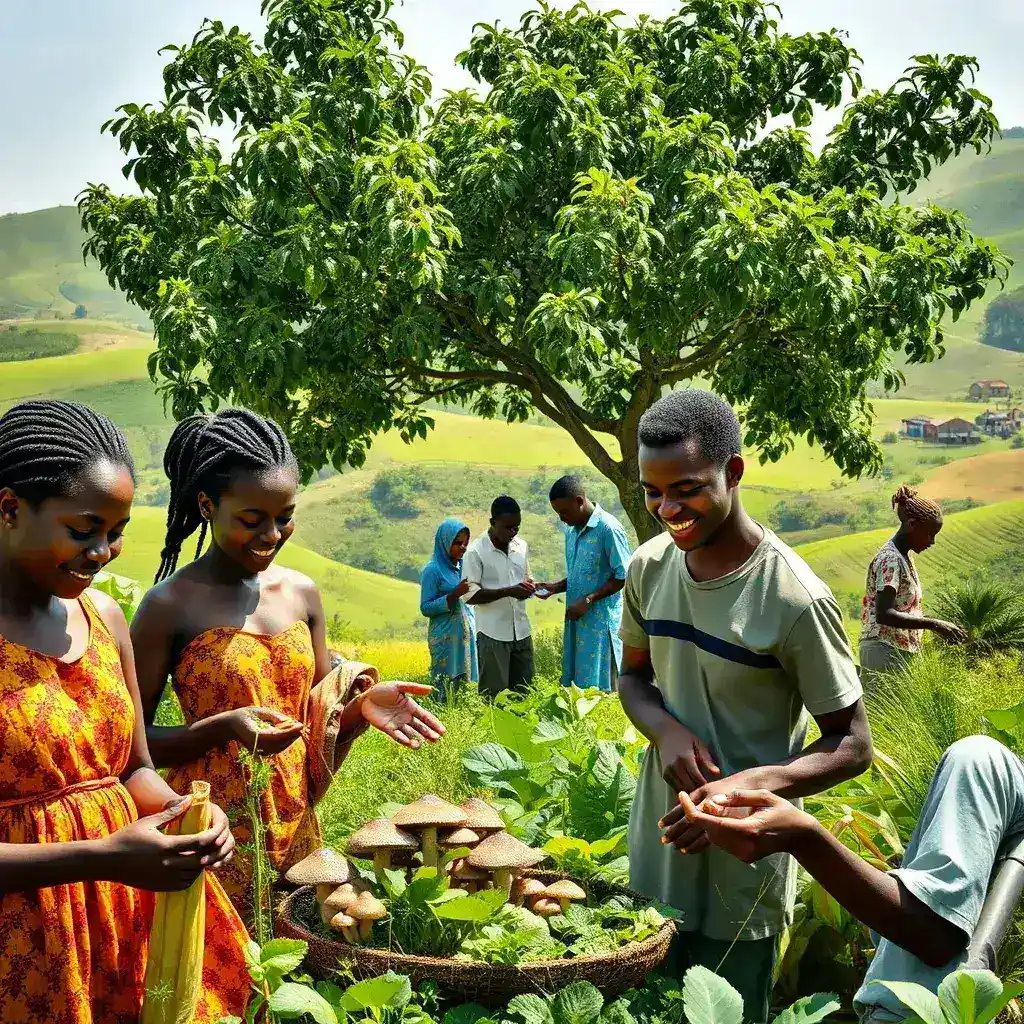
The Financial Inclusion for Last Mile Actors (FILMA) program, a multi-partner initiative led by Temple Investments and funded by the Mastercard Foundation, is significantly transforming livelihoods for 100,000 young Ghanaians, with a focus on women, youth, and persons with disabilities (PWDs) in rural areas. Insights shared at the inaugural FILMA Learning Event in Accra reveal the program’s success in moving beyond subsistence farming to foster sustainable economic growth by providing access to finance, skills, and market opportunities.
Program Context: A Multi-Partner Vision for Rural Ghana
Launched in 2024 and set to run until 2028, FILMA addresses systemic barriers that have historically excluded ‘Last Mile Actors’ (LMAs) – smallholder farmers, processors, and traders at the end of agricultural value chains – from formal financial systems. These barriers include a lack of collateral and limited financial history.
The program specifically targets young women (70% of beneficiaries), youth, and PWDs (5% of beneficiaries) across 18 districts in the Volta, Oti, Bono East, and Northern Regions. It is implemented by a consortium including Catholic Relief Services (CRS), AV Ventures, SEND Ghana, and Enterprise Life, with Temple Investments managing the Catalytic Facility for Inclusive Finance (CFIF).
FILMA represents a departure from traditional grant-based models, aiming to create self-sustaining economic hubs within agricultural value chains, incorporating emerging technologies.
Solid Evidence: Operational Milestones and Alternative Livelihoods
Two years into the program, FILMA has enrolled 77,868 LMAs, exceeding its target by 78%. Crucially, 44,476 youth have transitioned into dignified work, with young women comprising 90% of this group. Additionally, 2,151 PWDs are actively participating.
The average monthly income for an LMA has more than doubled, increasing from GH¢1,334 to GH¢2,793. The proportion of LMAs able to secure financial products independently has surged from 3% to 38%.
To mitigate agricultural volatility, FILMA promotes microinsurance and diversified income streams. Over 1,099 individuals have received training and equipment for beekeeping, 500 for mushroom production, and 2,661 for dry-season vegetable cultivation.
Voices from the Last Mile: The LMA Youth Panel
At the learning event, five LMAs shared their experiences. Sakina highlighted how financial literacy training enabled her to consistently save 30% of her funds, transforming saving from a distant dream into a daily practice.
Gifty, a university graduate facing unemployment, found success in mushroom farming. She utilized a Voluntary Savings and Loan Association (VSLA) formed through the FILMA program to secure the capital needed for commercial operations, bypassing traditional borrowing hurdles.
Redefining the Ecosystem: Systemic Debates and Institutional Commitments
Discussions at the event addressed the challenges faced by local producers, including competition from imports subsidized by cheaper foreign capital. Caleb Edwards of WAMI AGRO noted that such policies have led to significant financial impairments for local businesses.
Representatives from Absa and Maroon Capital discussed lending risks, emphasizing the need for digital lending and a shift towards ‘contractual faithfulness’ among borrowers, citing a past impairment of 32 million GHS due to defaults.
These discussions spurred institutional commitments. The Central Bank pledged to develop a value-chain-wide inclusive policy for women by mid-2027. The Ministry of Finance committed to integrating actionable solutions into the National Financial Inclusion and Development Strategy (NFIDS).
Furthermore, disability advocates and WAMI Agro announced a collaboration to train financial institutions on accessible services, ensuring PWD structures are integrated into future outreach efforts.
The Women Behind the Work: From Survival to Destiny
Cecilia Hesse, Managing Director of Temple Investments, emphasized that the program’s focus is on the lived realities of the women involved. She highlighted their resilience, likening their spirit to a housefly rubbing its hands in anticipation, symbolizing their readiness to work and build a better future.
FILMA aims to harness this spirit, empowering these women to move beyond mere survival and build lasting destinies for their families and communities.
Implications and Future Outlook
The FILMA program’s success underscores the viability of inclusive financial models in transforming rural economies. The program’s data demonstrates that targeted interventions can significantly increase incomes and financial inclusion for marginalized groups.
Moving forward, attention will be on the sustainability of these gains and the scalability of the FILMA model. The institutional commitments made at the learning event, particularly from the Central Bank and Ministry of Finance, signal a potential shift towards more systemic policy changes supporting rural economic development and financial inclusion.
The integration of PWDs and the focus on alternative livelihoods like beekeeping and mushroom farming suggest a trend towards diversified and resilient rural economies. Observers will watch how these initiatives are scaled and replicated, and how effectively financial institutions adapt to serve the ‘last mile’ more inclusively.






Leave a Reply