
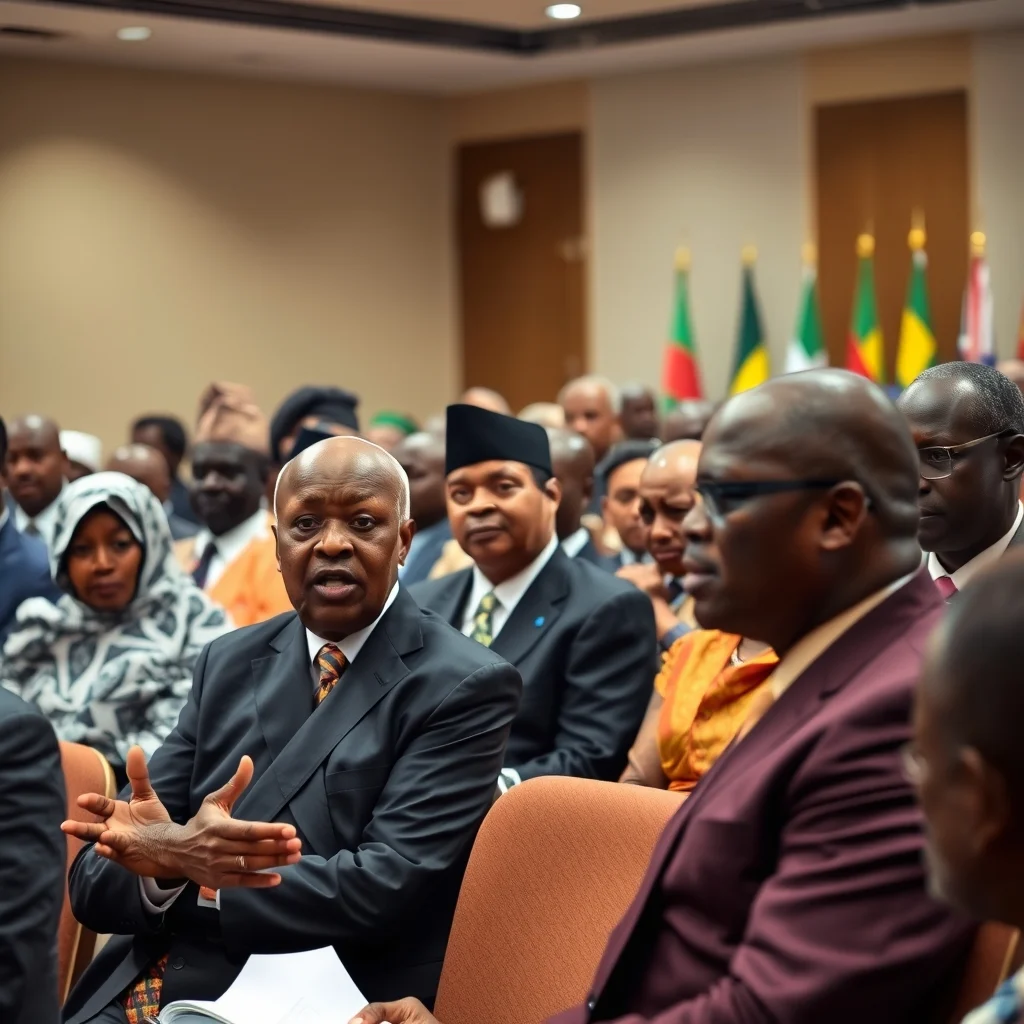
Accra, Ghana – June 5, 2026 – Ghana’s Parliament has unequivocally reaffirmed the nation’s opposition to same-sex marriage, with a leading Member of Parliament stating that such unions will never be legalised within the country. The declaration was made during the 4th Inter-Parliamentary Conference on Family, Sovereignty and Values held in Accra, underscoring Ghana’s commitment to preserving its cultural, religious, and family values.
Reinforcing National Values
Alhassan Sulemana Tampuli, the Member of Parliament for Gushegu and a co-sponsor of the proposed Human Sexual Rights and Family Values Bill, 2025 (commonly known as the Anti-LGBTQ+ Bill), asserted the nation’s firm stance. “I want to assure you, it will never happen. A man will never marry a man here in Ghana, and a woman will never marry a woman here in Ghana,” Tampuli declared to conference attendees.
His remarks come at a time of heightened discussions across Africa concerning family values, sexuality, and legislative responses to LGBTQ+ issues. The conference itself served as a platform for lawmakers, policymakers, religious leaders, and advocacy groups from across the continent to deliberate on these sensitive topics.
Challenging LGBTQ+ Rights Advocacy
Moses Foh-Amoaning, Executive Secretary of the National Coalition for Human Sexual Rights and Family Values Bill, also addressed the delegates, urging African lawmakers to resist what he termed as escalating efforts to promote LGBTQ+ rights on the continent. Speaking on Thursday, June 4, 2026, Foh-Amoaning challenged the validity of arguments that link LGBTQ+ rights to international human rights law.
“Don’t be fooled by the human rights argument. It is a lie from hell,” he stated, advising policymakers to critically examine such claims. Foh-Amoaning further alleged that LGBTQ+ advocacy groups employ deceptive narratives as part of a deliberate agenda to advance their objectives.
He specifically contested the notion that LGBTQ+ rights are protected under constitutional, sexual, or international human rights frameworks. “So when you hear them talking about human rights, sexual rights and constitutional rights, it is all false,” Foh-Amoaning emphasized.
The Anti-LGBTQ+ Bill Debate
The Human Sexual Rights and Family Values Bill, 2025, has been a focal point of significant debate both within Ghana and on the international stage. Supporters of the bill argue that it accurately reflects Ghana’s deeply held cultural and moral values.
Conversely, critics raise concerns about potential human rights violations and the impact on individual freedoms. The ongoing legislative process and the strong public statements from proponents highlight the deep divisions and the government’s resolve to legislate in line with its perceived national values.
Broader African Context
The conference provided a regional perspective, indicating that Ghana’s position is part of a broader trend among some African nations prioritizing traditional values over evolving global norms regarding LGBTQ+ rights. The discussions underscored the complex interplay between cultural identity, religious beliefs, national sovereignty, and international human rights discourse.
The emphasis on family, sovereignty, and traditional values suggests a strategic approach by these nations to assert their distinct social policies in the face of external pressures and advocacy from international human rights organizations.
Future Implications
The firm stance articulated by Ghanaian officials suggests that the passage and implementation of the Anti-LGBTQ+ Bill are likely to proceed, potentially setting a precedent for other nations on the continent. The continued debate is expected to focus on the practical implications for LGBTQ+ individuals in Ghana and the country’s relationship with international bodies and human rights advocates. Observers will be watching closely to see how Ghana navigates these complex issues and what impact the legislation will have on its social fabric and international standing.







Leave a Reply