
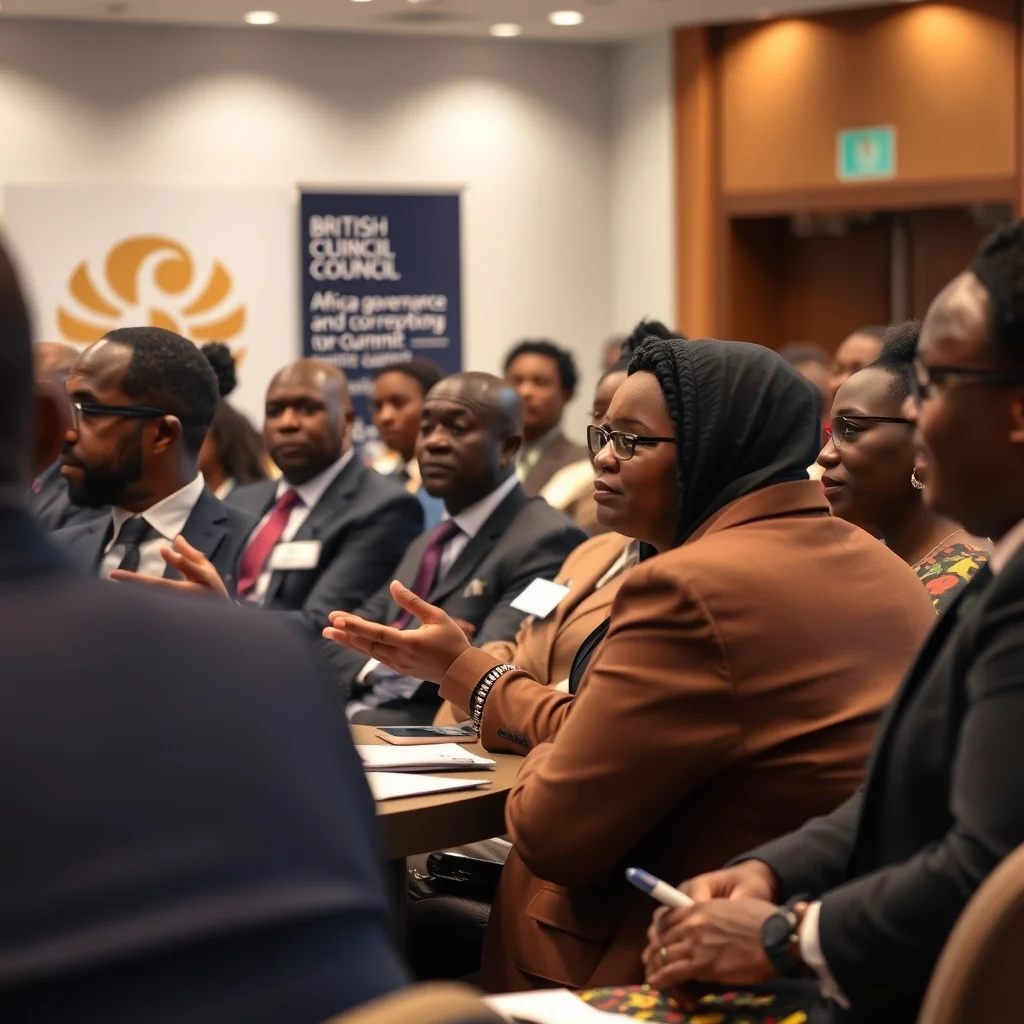
Accra, Ghana will host the second African Governance and Anti-Corruption Summit on Tuesday, June 16, featuring prominent figures like Attorney General Dr. Dominic Ayine and Minority Leader Alexander Afenyo-Markin. Organized by The Bright Future Alliance (TBFA), the summit, themed “Corporate Institutions and Public Agencies as Pillars of Accountability: Strengthening Governance Systems for Sustainable National Growth,” aims to foster dialogue among government officials, civil society, corporate leaders, and youth to enhance accountability and governance across Africa.
The summit’s focus on strengthening governance systems comes at a critical juncture for many African nations grappling with corruption and economic crimes. These challenges significantly hinder development and erode public trust in state institutions, making platforms for constructive dialogue and solution-finding essential.
Strengthening Accountability Mechanisms
The participation of Attorney General Dr. Dominic Ayine as the keynote speaker is highlighted by TBFA as a significant indicator of the government’s commitment to partnering with civil society. His address is expected to outline strategic legal and structural reforms vital for cultivating corruption-resistant public agencies and corporate bodies.
TBFA views the summit as a crucial venue for stakeholders to critically evaluate existing governance frameworks. The organization emphasized that the event serves as a vital rallying point to address the pervasive threats posed by corruption and economic crimes to sustainable national development.
The gathering is designed to convene policymakers, civil society actors, diplomats, corporate leaders, and young change-makers. Together, they will assess current challenges, strategize effective approaches, and develop practical solutions to promote transparent governance throughout the African continent.
Diverse Perspectives on Governance
Beyond the keynote speakers, the summit will feature a robust lineup of influential figures. These include Davis Ansah Opoku, Vice Chairperson of Parliament’s Public Accounts Committee; Rockson-Nelson Dafeamekpor, Majority Chief Whip; Beauty Emefa Narteh, Executive Secretary of the Ghana Anti-Corruption Coalition; Bright Ofori, Executive Director of TBFA; and a Deputy Director from the Internal Audit Agency.
The program is structured to facilitate in-depth discussions through keynote addresses, interactive panel sessions, and dialogues involving youth and civil society. These formats are intended to encourage direct engagement and collaboration between decision-makers and the emerging generation of African leaders.
Panel discussions will bring together governance experts, legal practitioners, and private sector leaders. Their collective insights will explore avenues for reinforcing legal frameworks and enhancing accountability within both public service and the corporate world. TBFA is particularly keen on amplifying youth voices, designing dialogue sessions to empower young individuals to directly address policymakers on issues shaping Africa’s future.
Implications for Sustainable Growth
The summit’s emphasis on corporate and public agency accountability directly addresses a core impediment to sustainable national growth in Africa. By fostering collaboration between government, the private sector, and civil society, the event seeks to create robust, transparent systems.
The inclusion of youth dialogues signals a forward-thinking approach, recognizing that empowering the next generation with a voice in governance is crucial for long-term accountability and integrity. This intergenerational dialogue is expected to foster innovative solutions and a shared commitment to anti-corruption efforts.
As African nations continue to navigate complex economic and governance landscapes, the outcomes of this summit could inform policy development and strengthen institutional reforms. The focus on practical solutions and collaborative strategies suggests a move towards more actionable measures in the fight against corruption and the promotion of good governance across the continent. Future discussions will likely center on the implementation of strategies discussed and the measurable impact on transparency and accountability in participating nations.








Leave a Reply