
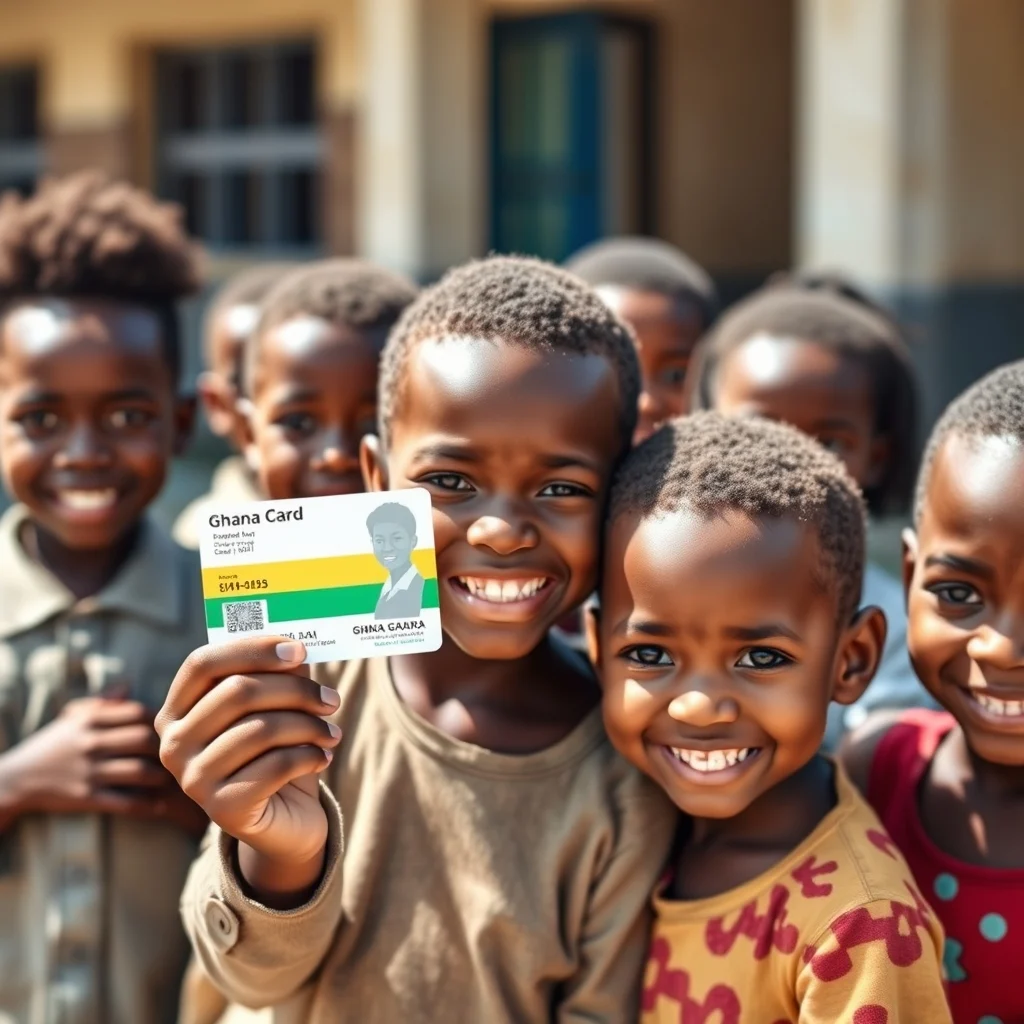
The National Identification Authority (NIA) of Ghana is embarking on an ambitious project to create a dynamic, integrated national database, incorporating genealogical information and linking it with essential services like the National Health Insurance Scheme (NHIS). This initiative aims to transform the Ghana Card into a comprehensive service card for all citizens, enabling swift background checks and streamlining access to public services. The announcement was made by Corporate Affairs Director, Williams Ampomah Emmanuel Darlas, during the ongoing 21-day registration exercise for children aged six to fourteen in the Volta and Oti Regions.
Building a Dynamic and Linked Identity System
Central to the NIA’s strategy is the development of a single, dynamic database that moves beyond static records. This new system will capture comprehensive registrant details, including family lineage, creating a robust digital footprint.
“National Identification Authority is an authority that is committed to building dynamic data, and in our effort to keep our data dynamic, that is why we are undertaking all these measures to prevent our data from becoming static,” explained Mr. Darlas.
A key feature of the current registration drive for minors is the policy to secure and bind their records. When a child is registered, their data will be linked to the parent or guardian who accompanies them.
“What that means is that after registering them, we link their details to whoever vouches for them, the parent who accompanied them, or the relative who came with them, so that in future, when tracing their roots, it becomes very straightforward,” Mr. Darlas elaborated.
Integration with National Health Insurance
The NIA is also collaborating with the National Health Insurance Authority (NHIA) to integrate NHIS client details into the Ghana Card system. This integration is expected to significantly improve service accessibility, particularly for healthcare.
The NIA aims to register approximately 3.1 million children nationwide during this exercise. A significant portion of this effort involves linking the National Health Insurance details of children who already possess an NHIS card or number to their Ghana Card.
“We are doing this in collaboration with the National Health Insurance Authority. We are linking children who have already registered and obtained the national health insurance card or number to the Ghana Card, so that in future, when you go to the hospital, your Ghana Card will handle your records,” stated Mr. Darlas. This registration process for children is being provided at no cost.
Addressing Technical Challenges in Card Issuance
Despite the strategic advancements, the NIA has encountered technical hurdles that have temporarily delayed the immediate issuance of Ghana Cards to applicants.
Mr. Darlas acknowledged that while thorough site surveys and preparations were made, including establishing print farms in areas with poor network connectivity, technical issues can still arise with machinery and technology.
“You know, as it is with machines and technology, we did all we could — site surveys and all — to ensure that wherever we place a machine, if there is no network, we set up a print farm somewhere, so that if today we register, we send the records there, and print the cards the next day. Then, we come and issue the cards to the children, because we have learned from history,” he explained.
Expanding Registration Reach
The current registration exercise for children aged 6 to 14 is being conducted at basic school campuses across the Volta and Oti Regions. Centers operate daily from 8:00 a.m. to 5:00 p.m. for the duration of the 21 days.
To ensure comprehensive coverage, the NIA plans to establish additional registration centers within communities. This will facilitate the registration of children who are not enrolled in school, guaranteeing that all eligible minors have the opportunity to obtain a Ghana Card.
Future Implications and What to Watch
The NIA’s push towards a dynamic, integrated national database and a multi-functional Ghana Card signals a significant evolution in Ghana’s identity management infrastructure. The ability to perform quick background checks and the seamless integration of services like NHIS point towards a more efficient and accessible public service delivery model.
Readers and industry observers will be watching how effectively the NIA overcomes the technical challenges in card issuance and expands the database to include all age groups and services. The success of linking genealogical data could also pave the way for advanced identity verification and potentially other governmental and private sector applications. The long-term impact on data security and privacy will also be a critical area of interest as the database grows in scope and sensitivity.










Leave a Reply