
Ghana, through the Conservation Alliance Ghana and the Ministry of Environment, Science and Technology (MEST), in partnership with the United Nations Environment Programme-World Conservation Monitoring Centre (UNEP-WCMC), has launched the National Monitoring Support Initiative (NMSI) Project. This initiative, funded by Germany’s International Climate Initiative (IKI), officially began its operations in 2025 with a projected completion date of 2030. Its primary objective is to enhance Ghana’s capability to track and report on its biodiversity conservation efforts, aligning with the global goals set forth in the Kunming–Montreal Global Biodiversity Framework (KMGBF).
Strengthening National Biodiversity Monitoring
The NMSI project is designed to fortify Ghana’s national systems for biodiversity monitoring. This will involve a thorough assessment of the country’s existing monitoring infrastructure and institutional capacities. The project aims to pinpoint deficiencies in data collection, available tools, and inter-institutional coordination.
Key activities under the NMSI include the development of a comprehensive National Biodiversity Monitoring Plan. This plan will guide efforts to build technical expertise across various government agencies and research institutions. Furthermore, a national biodiversity data platform will be established, intended to connect Ghana’s biodiversity information with global monitoring systems.
Urgent Need for Accurate Data
Madam Suweibatu Adam, Chief Director of MEST, highlighted the critical need for precise and dependable biodiversity data. She emphasized that this information is essential for protecting Ghana’s diverse ecosystems, which face increasing threats from human activities and environmental changes.
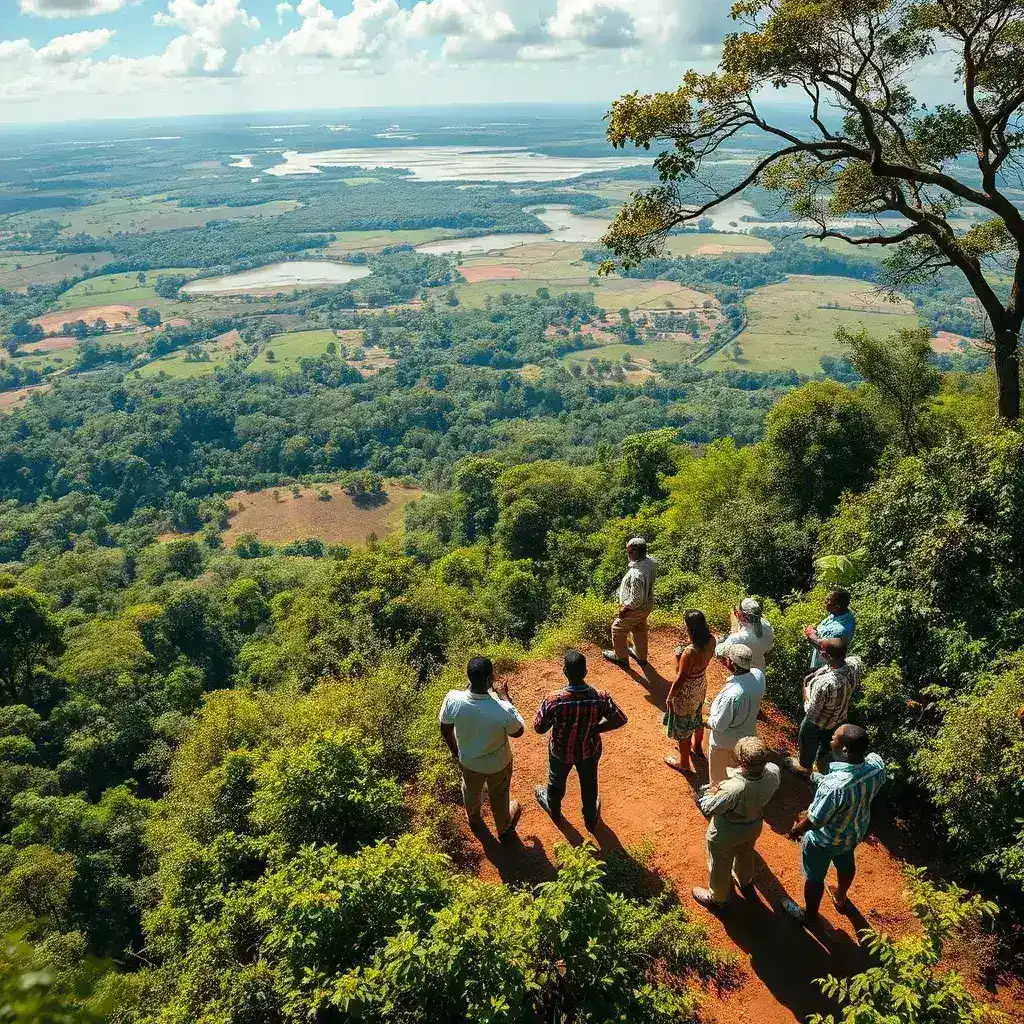
Ghana’s natural landscapes, including its forests, savannahs, wetlands, and coastal areas, provide substantial ecological, economic, and cultural benefits. However, these valuable resources are under pressure from land-use changes, climate change impacts, and other human-induced factors. Accurate monitoring is therefore crucial for effective conservation strategies.
Supporting Policy and International Commitments
The NMSI initiative is expected to significantly improve evidence-based policymaking and conservation planning in Ghana. By providing reliable data, the project will enhance the country’s ability to measure progress towards its national and international biodiversity targets.
This effort directly supports Ghana’s commitments under the Convention on Biological Diversity (CBD) and the ambitious targets outlined in the Kunming-Montreal Global Biodiversity Framework. It will also aid in the implementation and evaluation of Ghana’s revised National Biodiversity Strategy and Action Plan (NBSAP).
A Collaborative, Whole-of-Society Approach
Madam Suweibatu stressed that successful biodiversity monitoring requires a broad, inclusive approach. This involves collaboration between public institutions, academic bodies, civil society organizations, local communities, and international development partners.









Leave a Reply