
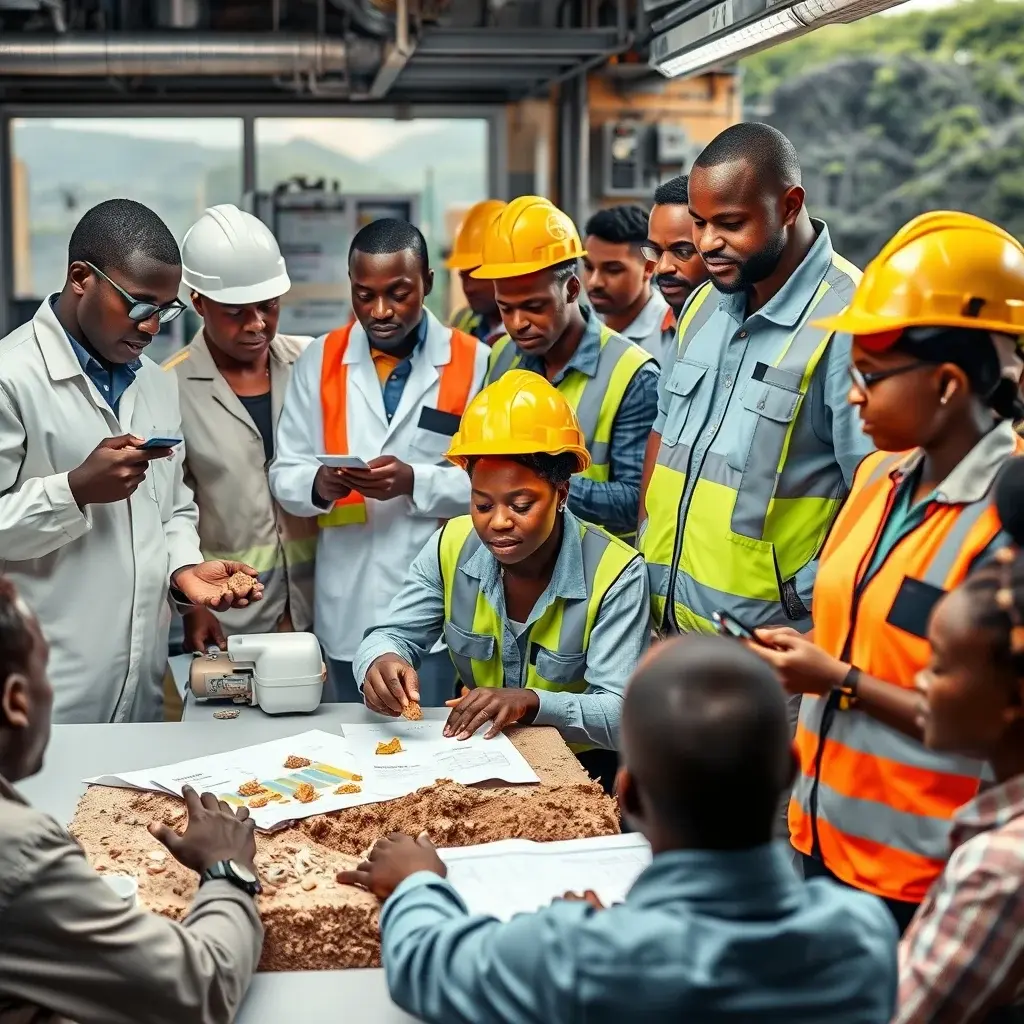
Ghanaian citizens are being urged to re-evaluate their engagement with the nation’s lucrative gold mining sector, particularly in light of evolving local content laws and new initiatives aimed at maximizing domestic benefit from resource extraction. This call comes as the country seeks to transition from a historical perception of foreign dominance to one of empowered Ghanaian participation across the entire mining value chain.
Shifting Perceptions of Foreign Involvement
For years, the narrative surrounding foreign companies in Ghana’s mining industry has been one of exploitation. Many Ghanaians have viewed large-scale mining operations, often majority-owned by foreign entities, as extracting resources and exporting profits with minimal tangible benefits for local communities. While environmental concerns have sometimes taken a backseat, the economic impact has frequently been criticized.
Conversely, foreign actors in the small-scale mining sector have often been perceived as more beneficial to locals. This perception stems from the ability of Ghanaian individuals and communities to complement, support, and directly profit from these operations. However, this view often overlooks the significant environmental damage associated with unsustainable small-scale mining practices, a critical issue currently under intense scrutiny in Ghana.
Local Content Laws as a Catalyst for Change
Ghana’s existing local content laws, underpinned by the Minerals and Mining Act, 2006 (Act 703) and L.I. 2173, 2012, along with the broader Africa Mining Vision, are designed to address these complexities. These frameworks aim to foster local employment, promote domestic manufacturing, and ensure that mining activities contribute more substantially to the national economy.
The strategy involves robust procurement plans that prioritize local goods and services. Measures include providing technical and financial assistance to local businesses and giving preference to companies demonstrating high Ghanaian content. International firms are increasingly required to hire and train local staff, further boosting domestic capacity.
The government’s ambition extends beyond mere transactional benefits. The objective is to cultivate genuine partnerships, drive value addition within the country, and build lasting local capacity. This means ensuring that local communities directly benefit not only from employment but also from the processing and sale of extracted minerals.
Introducing the GoldBod and Community Mining Initiatives
A significant development in this push for local empowerment is the establishment of the GoldBod. This initiative aims to streamline gold commercialization for small-scale miners, enhance the integrity of gold trade, and enable miners to access funding through certified sales. The GoldBod also plays a role in supporting community mining cooperatives by offering training, facilitating miner registration, and issuing concessions.
These efforts are crucial for formalizing the often-informal small-scale mining sector, fostering job creation, and ensuring more equitable distribution of wealth. The overarching goal is to shift Ghana from being a mere exporter of raw resources to an active participant across the entire extractive value chain.
A Call for Reconfigured Ghanaian Interest
In light of these reforms and emerging trends, Ghanaians are encouraged to shift their perspective on the mining sector. Instead of viewing it solely as a domain for foreign investment or a limited space for unregulated small-scale activities, citizens are urged to explore the diverse opportunities now available.
These opportunities range from participating in regulated small-scale mining to providing essential support services and supplies to both large and small-scale operations. Engaging in officially sanctioned gold trading through the GoldBod, participating in mine reclamation projects, and contributing to environmental sustainability efforts are also highlighted as viable avenues.
The call is for Ghanaians to transform their informal interest into structured entrepreneurial initiatives. By reconfiguring their approach, citizens can better exploit the evolving benefits and actively contribute to a more inclusive and sustainable mining future for Ghana.
Looking Ahead: The Future of Ghanaian Mining
The success of these local content initiatives and the GoldBod will be crucial in determining the future landscape of Ghana’s mining sector. Key indicators to watch will include the level of Ghanaian participation in decision-making, the growth of local supply chains, and the measurable improvements in environmental stewardship. Furthermore, the government’s continued commitment to enforcing regulations and supporting local capacity building will shape whether Ghana can truly leverage its mineral wealth for sustainable national development, moving beyond historical patterns of resource extraction.










Leave a Reply