
Energy analyst Kwadwo Poku has described the failure by the police to arrest the driver involved in the hit-and-run death of Charles Amissah as “problematic,” questioning the effectiveness of Accra’s surveillance infrastructure. The incident, which occurred on February 6, 2026, has highlighted significant concerns regarding the city’s ability to track criminal activity despite substantial investments in technology.
Context of the Incident
Charles Amissah, a 29-year-old engineer, was the victim of a hit-and-run accident near the Kwame Nkrumah Circle Overpass. Following the accident, a committee investigating his death concluded that Amissah died due to medical neglect and denial of emergency care. He was reportedly turned away by three major hospitals in Accra: the Police Hospital, the Greater Accra Regional Hospital (Ridge Hospital), and the Korle Bu Teaching Hospital.
Questions Surrounding the Investigation
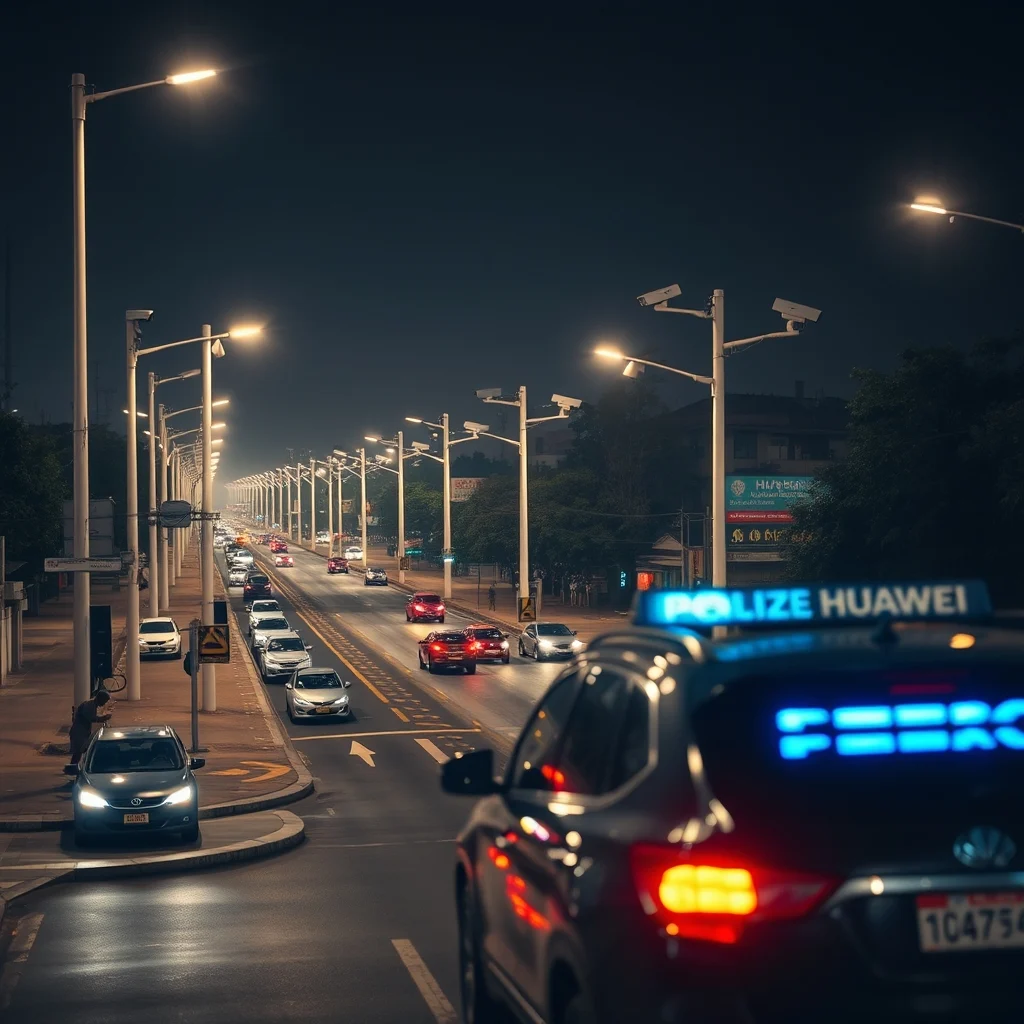
Speaking on the JoyNews AM Show on Monday, May 11, Mr. Poku expressed shock that the suspect driver remains at large. He specifically questioned the efficacy of the extensive surveillance systems, including CCTV cameras mounted on Huawei infrastructure that are present at major intersections across the capital.
“With all the cameras we have invested in around the country, the police should bow their heads in shame, and nobody is talking about it. I think that is a very, very big problem,” Poku stated. He asserted that such an incident should not go untracked in modern-day Accra.
“In today’s Accra, it’s not possible. Those Huawei cameras, the white poles—they are at every junction, every corner of Accra. I challenge the police on this platform; it is not possible that somebody will do a hit-and-run in Accra and the police are not able to track who that person is,” he added.
Value of Surveillance Investments
The failure to apprehend the driver raises serious questions about the return on investment for the city’s surveillance infrastructure. If these systems cannot aid in crucial criminal investigations, their value is significantly diminished.
“That means that infrastructure is really not worth investing in,” Mr. Poku commented, suggesting that the technology, despite its widespread deployment, is not effectively serving its intended purpose of enhancing public safety and facilitating justice.
Call for Transparency and Closure
Mr. Poku urged the Inspector-General of Police (IGP) to provide a public update on the investigation. He emphasized the critical need for closure for the bereaved family of Charles Amissah, highlighting that accountability and transparency are paramount in such sensitive cases.
“We need a report from the police. I am pleading with the IGP; let’s get a response on this. I think closure will be important for the family,” he requested.
Broader Implications for Public Safety
The incident and the subsequent questions about surveillance capabilities have broader implications for public safety in Accra. It suggests a potential disconnect between technological investment and operational effectiveness within law enforcement. The report on Amissah’s death also points to systemic issues in the healthcare sector regarding emergency response protocols.
As the public awaits answers, the focus remains on how the police will address these concerns and whether the existing surveillance infrastructure can be leveraged more effectively to prevent future tragedies and ensure justice for victims. The effectiveness and reliability of Accra’s public safety measures are now under intense scrutiny.








Leave a Reply