
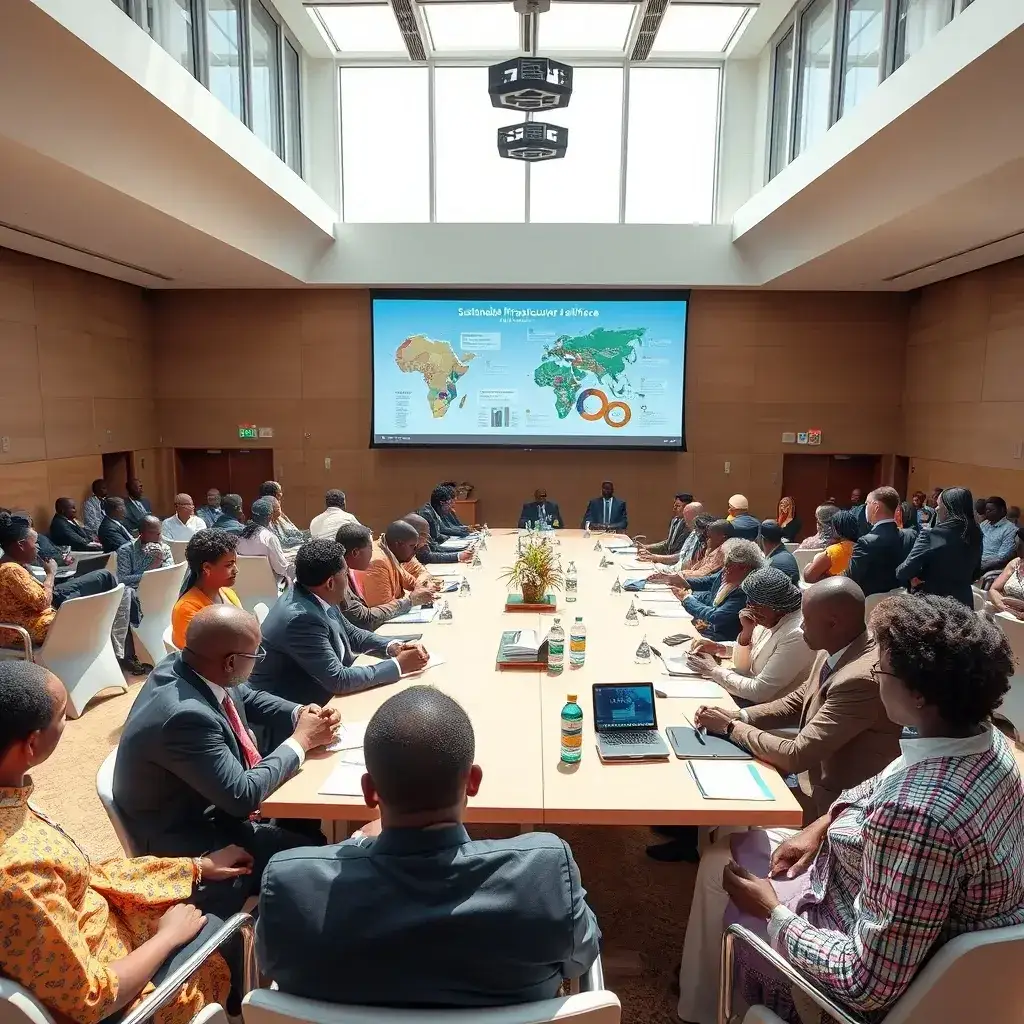
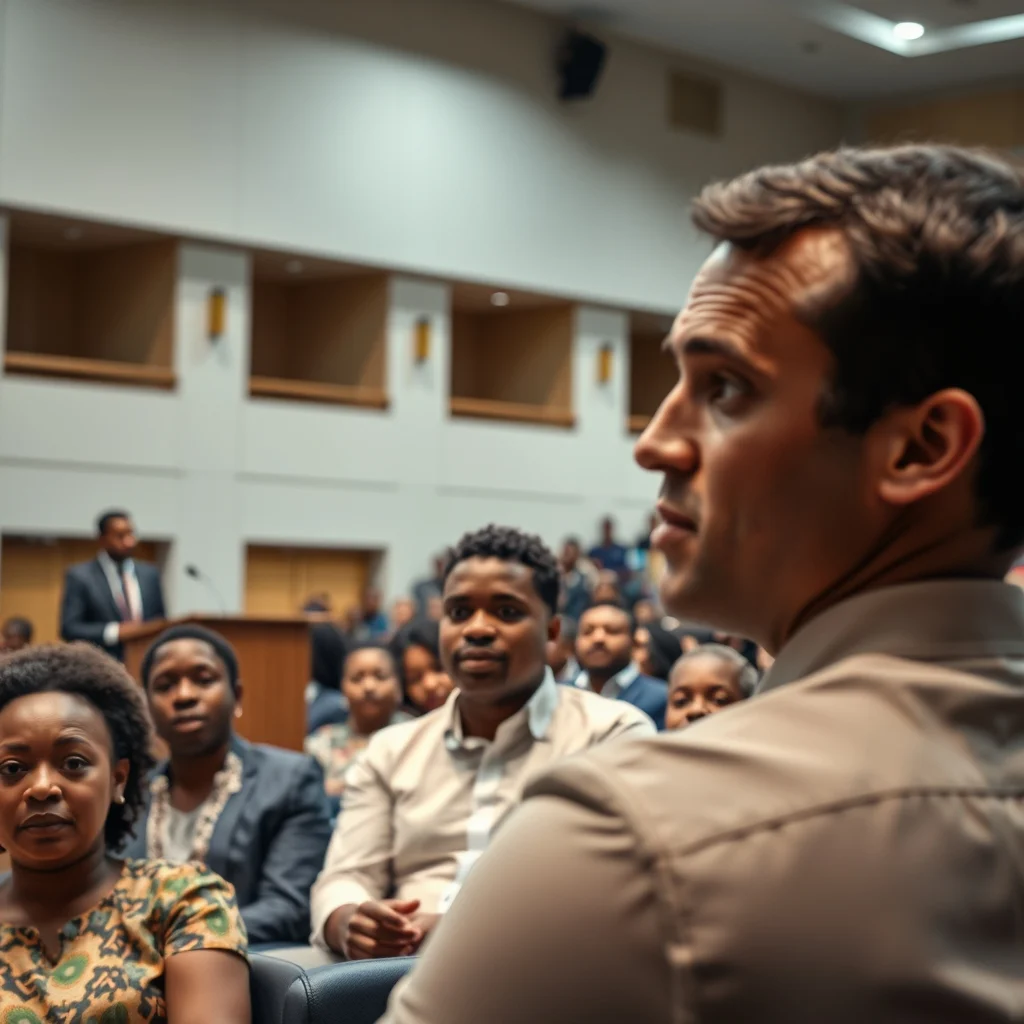
Accra, Ghana – May 11, 2026 – Consulting engineers, infrastructure leaders, policymakers, and digital technology professionals from across Africa have gathered in Accra for the FIAC 2026 Africa Conference. The event, running from May 10th to 13th, focuses on developing sustainable infrastructure, enhancing climate resilience, and driving Africa’s green transition. Organized by FIDIC Africa in collaboration with the Ghana Consulting Engineering Association (GCEA), the conference aims to identify innovative solutions for the continent’s escalating infrastructure needs.
Addressing Africa’s Infrastructure Deficit
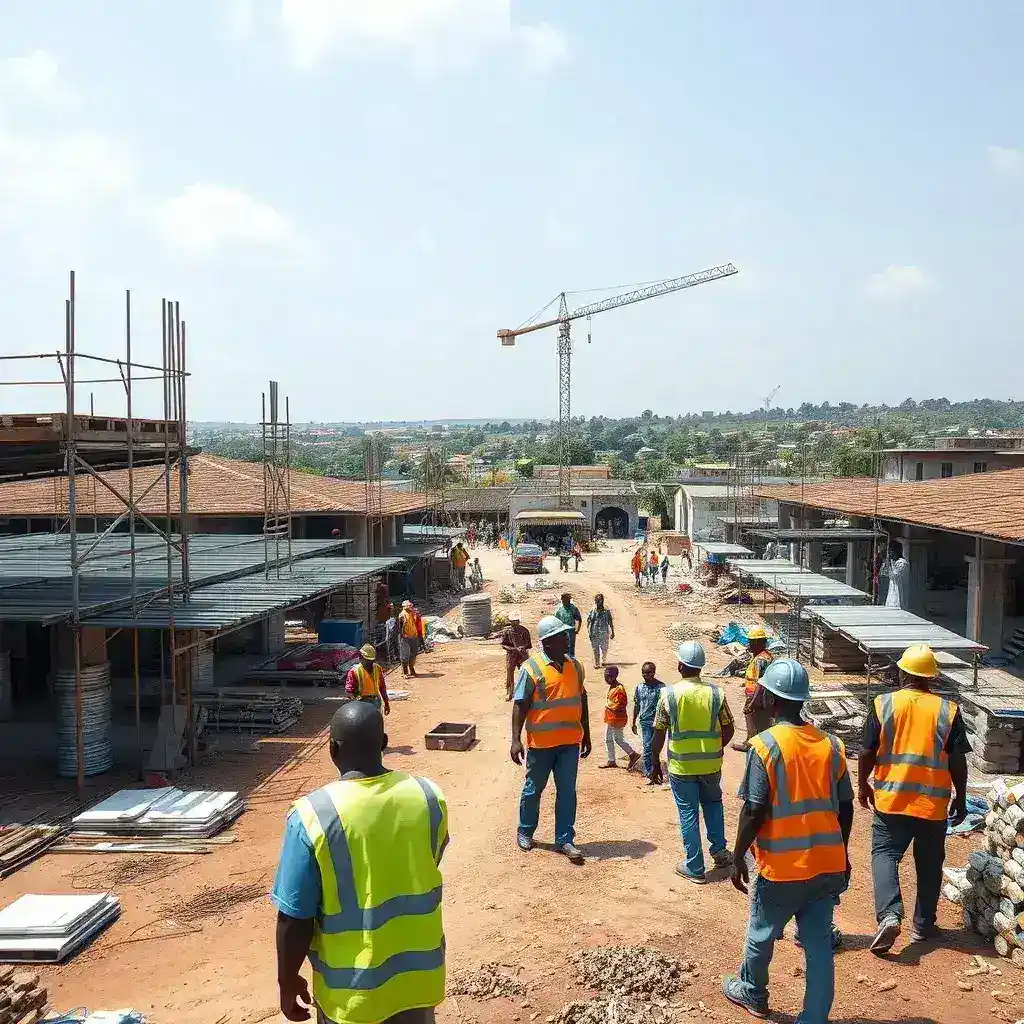
The conference comes at a critical juncture for Africa, which faces an annual infrastructure financing gap estimated to be between $130 billion and $170 billion. This deficit significantly hinders economic growth and access to essential services for millions.
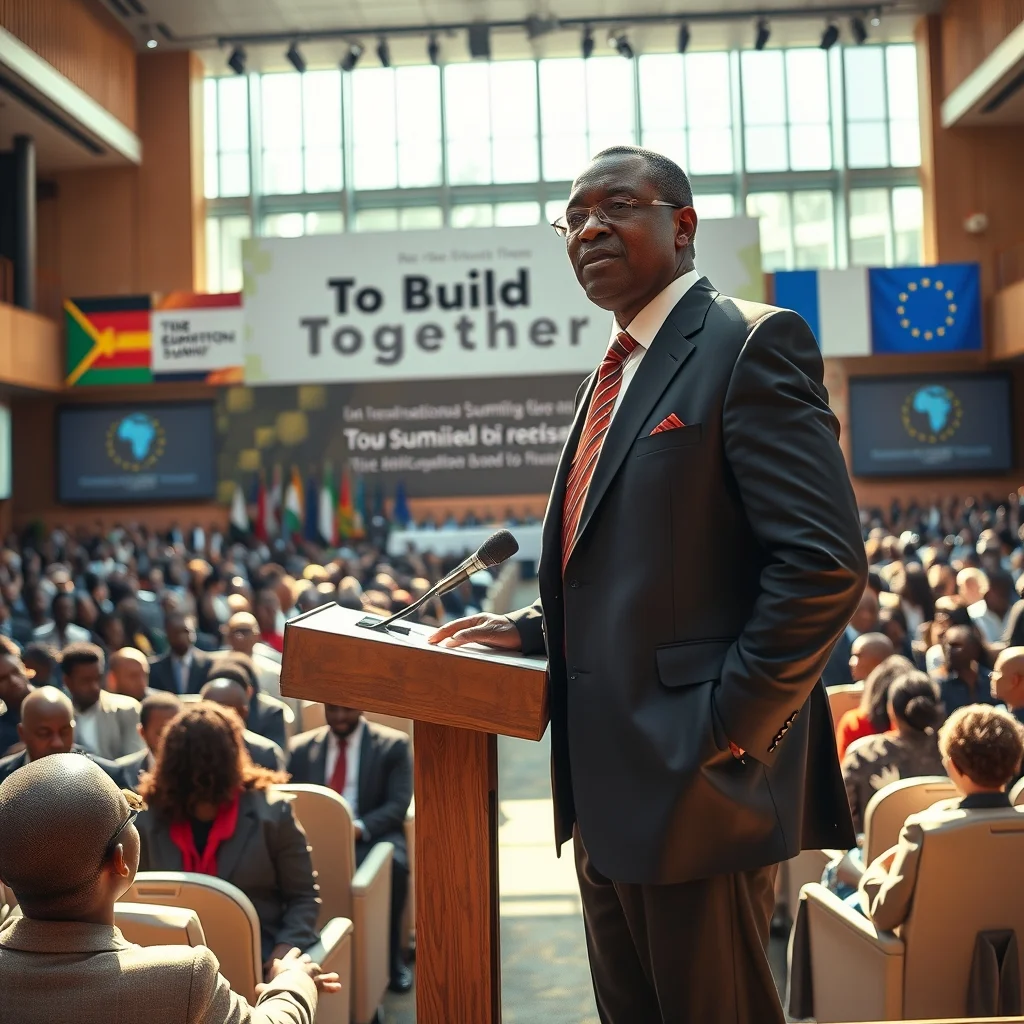
Ing. Kwabena Bempong, President of the Ghana Consulting Engineers Association, highlighted the pivotal role of consulting engineers in addressing this challenge. “Consulting engineers are absolutely critical to solving this. And this conference is exactly the platform where we can develop real, actionable solutions,” he stated during his welcome address.
Manish Kothari, Vice President of FIDIC Global, acknowledged Africa’s immense potential, characterized by its rich talent, youthful energy, and innovation. However, he also pointed out that the continent is disproportionately affected by climate change, underscoring the urgency of sustainable development.
The Imperative for Future-Ready Infrastructure
The conference theme, “Future-Ready Infrastructure: Advancing Africa Through Innovation and Sustainability,” set the tone for discussions. Kenneth Gilbert Adjei, Minister for Works, Housing and Water Resources and keynote speaker, emphasized that Africa’s future infrastructure must prioritize improving lives.
Minister Adjei reiterated the significant financing gap, citing African Development Bank estimates that place annual requirements between $130 billion and $170 billion, with only $68 billion to $108 billion currently available. He lauded Ghanaian consulting engineers as the “quiet heroes” behind vital national infrastructure.
Dr. Michael Mensah, Municipal Chief Executive for Ayawaso West Municipal Assembly, stressed that yesterday’s infrastructure cannot meet tomorrow’s demands. “We therefore need infrastructure that is intelligent, climate-resilient, technologically driven, inclusive, and environmentally sustainable,” he urged, adding that it must anticipate future needs.
Innovative Financing and Partnerships
Bridging the infrastructure financing gap requires innovative strategies. Seth Emmanuel Terkper, former Finance Minister and Economic Advisor to the President, outlined measures being implemented in Ghana, including public-private partnerships, infrastructure bonds, and the utilization of pension funds and capital market instruments.
Terkper emphasized that sustainable infrastructure financing is key to Ghana’s ambition of achieving upper-middle-income status. He challenged industry stakeholders to develop novel financial instruments, such as corporate bonds, to fuel infrastructure expansion across the continent.
Eng. Qadri Sayed Rizwan, President of FIDIC Africa, called for strengthened collaborations among governments, engineers, financial institutions, development partners, and the private sector. Such partnerships are crucial for the proper design, financing, and management of infrastructure projects.
Recognition and Collaboration
The conference also served as a platform to recognize outstanding contributions. A Gala Dinner and Awards night was held at the Palms by Eagles hotel, where consulting engineers from Ghana and other African nations were honored for their dedicated service to their associations and FIDIC Africa.
The FIAC 2026 Africa Conference in Accra highlighted a collective commitment to transforming Africa’s infrastructure landscape. The focus remains on creating resilient, sustainable, and technologically advanced systems that can support the continent’s growth and improve the quality of life for its citizens, while actively seeking innovative financing mechanisms and robust partnerships to overcome existing challenges.





Leave a Reply