
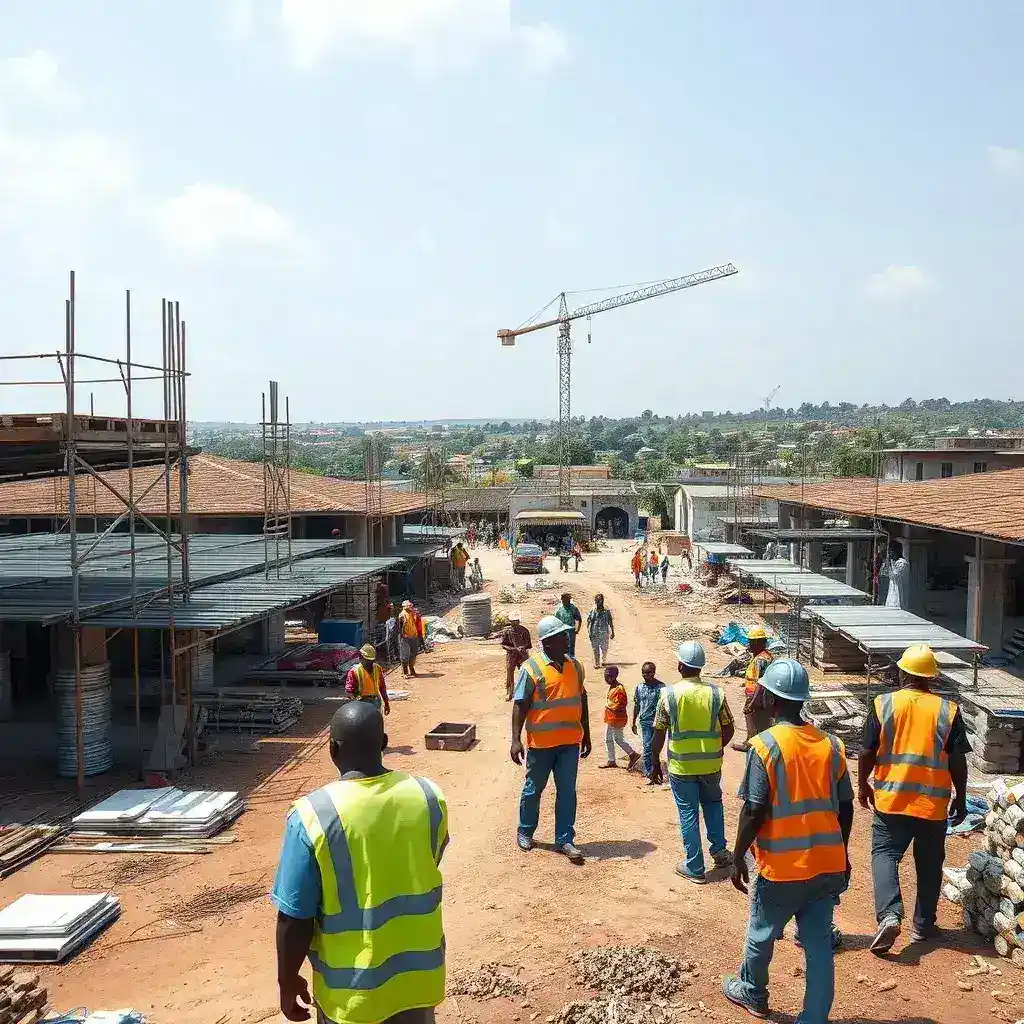
The South Tongu District in Ghana has officially commenced construction on its “24-Hour Economy” market project, following the handover of the project site in Dabala to contractors. This pivotal event signifies the launch of a government initiative aimed at fostering local economic development and creating sustainable commercial growth within the district and surrounding communities.
Project Kick-off and Government Commitment
The site handover ceremony, conducted in collaboration with project consultants and key stakeholders, marks a significant step in the implementation of the national 24-Hour Economy agenda. This initiative, championed by the government, seeks to invigorate local economies by extending trading hours and enhancing market infrastructure.
Maxwell Kwame Lukutor, Member of Parliament for South Tongu, highlighted the project as a concrete demonstration of the government’s commitment to its electoral promises. He specifically acknowledged President John Dramani Mahama for fulfilling a pledge to the constituents through this market development under the National Democratic Congress (NDC) 24-Hour Economy plan.
Economic Impact and Opportunities
The new market is projected to substantially boost trading activities, generating fresh economic prospects for local businesses. Particular emphasis is placed on empowering women and the youth, who are expected to be primary beneficiaries of the expanded economic landscape. The initiative aims to create a vibrant commercial hub that benefits not only Dabala but also neighboring areas.
Mr. Lukutor also addressed and refuted earlier reports suggesting a relocation of the project from Dabala. He unequivocally stated that the market project remains firmly situated in its designated location and that all execution processes are proceeding as scheduled, countering any misinformation.
Prudent Project Management and Funding
Explaining the project’s timeline and execution strategy, Mr. Lukutor emphasized the current administration’s dedication to prudent financial management. Contracts are awarded only after securing adequate funding arrangements, ensuring that the project can progress towards timely completion without financial impediments.
His office played a crucial role in facilitating the project’s initial stages by preparing the necessary site plans and documentation, paving the way for a smooth construction commencement. This proactive approach underscores the coordinated effort required for such significant infrastructure developments.
Strategic Commercial Hub and Livelihood Improvement
Upon completion, the market facility is envisioned to function as a strategic commercial nexus. Its development is expected to significantly enhance economic activities within the enclave, leading to improved livelihoods for the residents of South Tongu District. This modernization of market infrastructure is part of a broader national strategy to stimulate economic growth across Ghana.
Broader National Context
The Dabala market project is integrated into a wider national agenda to modernize market infrastructure throughout the country. By creating more efficient and accessible trading environments, the government aims to stimulate commerce, create employment, and foster economic resilience at the local level.
Looking Ahead
The commencement of construction in Dabala signals a tangible step towards realizing the goals of the 24-Hour Economy initiative. As work progresses, attention will focus on the pace of construction, the timely release of funds, and the actual impact on local employment and trading volumes. The success of this project could serve as a blueprint for similar developments in other districts, potentially reshaping Ghana’s retail and commercial landscape.










Leave a Reply