
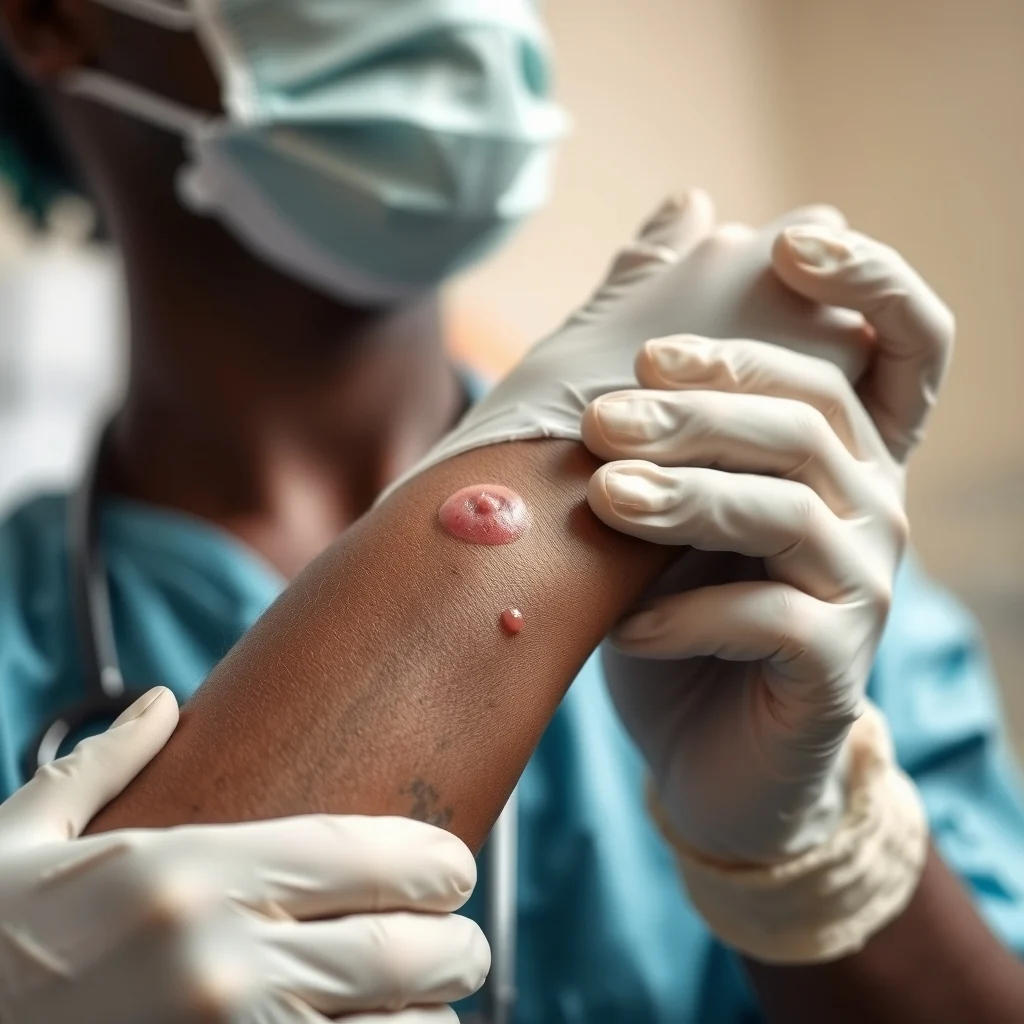
Ghana has recorded six new cases of Mpox, bringing the total number of confirmed infections since the outbreak began to 1,070 as of May 10, 2026, the Ghana Health Service (GHS) announced. This latest update signifies a continued, albeit low, level of viral disease transmission, primarily spread through close physical contact.
Continued but Slowed Transmission
The emergence of six new cases over nearly three months, since the last update on February 16, 2026, indicates a significant slowdown in the spread of Mpox compared to earlier periods. The previous report documented 12 new cases.
Health authorities attribute the controlled outbreak to sustained surveillance efforts, public awareness campaigns, and implemented preventive measures. Despite these successes, the ongoing appearance of sporadic cases necessitates continued vigilance from both health officials and the public.
Understanding Mpox Symptoms and Prevention
Mpox symptoms commonly include fever, a characteristic rash, headache, muscle aches, chills, and general tiredness. Swollen lymph nodes are also a key indicator of the infection.
The GHS strongly advises the public to protect themselves and others by practicing good hygiene. Prompt reporting of any suspected symptoms to the nearest health facility is crucial for early diagnosis and containment.
“If you notice any of these, visit the nearest health facility immediately,” stated the GHS. Health officials are closely monitoring the evolving situation and encourage the public to remain calm while strictly adhering to recommended preventative protocols.
Public Health Response and Data
The Ghana Health Service has been actively engaged in managing the Mpox outbreak since its inception. The total case count of 1,070 reflects the cumulative number of confirmed infections recorded across the country.
The GHS data points to a successful containment strategy, with the rate of new infections significantly decreasing. This success is a testament to the effectiveness of public health interventions and community cooperation.
Expert Insights and Vigilance
Dr. Ama Serwaa, a public health expert not directly involved with the GHS but monitoring the West African health landscape, commented on the situation. “The sustained low number of cases is encouraging, suggesting that the current public health messaging and surveillance are effective. However, Mpox remains a threat, and complacency is the enemy,” she noted.
She emphasized the importance of continued education on transmission routes, particularly close personal contact, and the need for accessible testing and healthcare facilities. “Early detection and isolation remain the cornerstones of controlling any viral outbreak,” Dr. Serwaa added.
Implications for Public Health and Future Outlook
The ongoing presence of Mpox cases means that the risk of transmission, though diminished, has not been entirely eliminated. This requires a sustained commitment to public health vigilance and individual responsibility.
For the public, this means continuing to practice good hygiene, being aware of Mpox symptoms, and seeking medical attention promptly if symptoms arise. For health authorities, it signifies the need to maintain robust surveillance systems, conduct targeted public health campaigns, and ensure readiness for potential resurgences.
The GHS’s proactive approach and the public’s adherence to guidelines will be key in preventing any significant resurgence of the virus. The focus now shifts to maintaining this downward trend and ensuring that Ghana is prepared for any future public health challenges related to Mpox and other infectious diseases.










Leave a Reply