
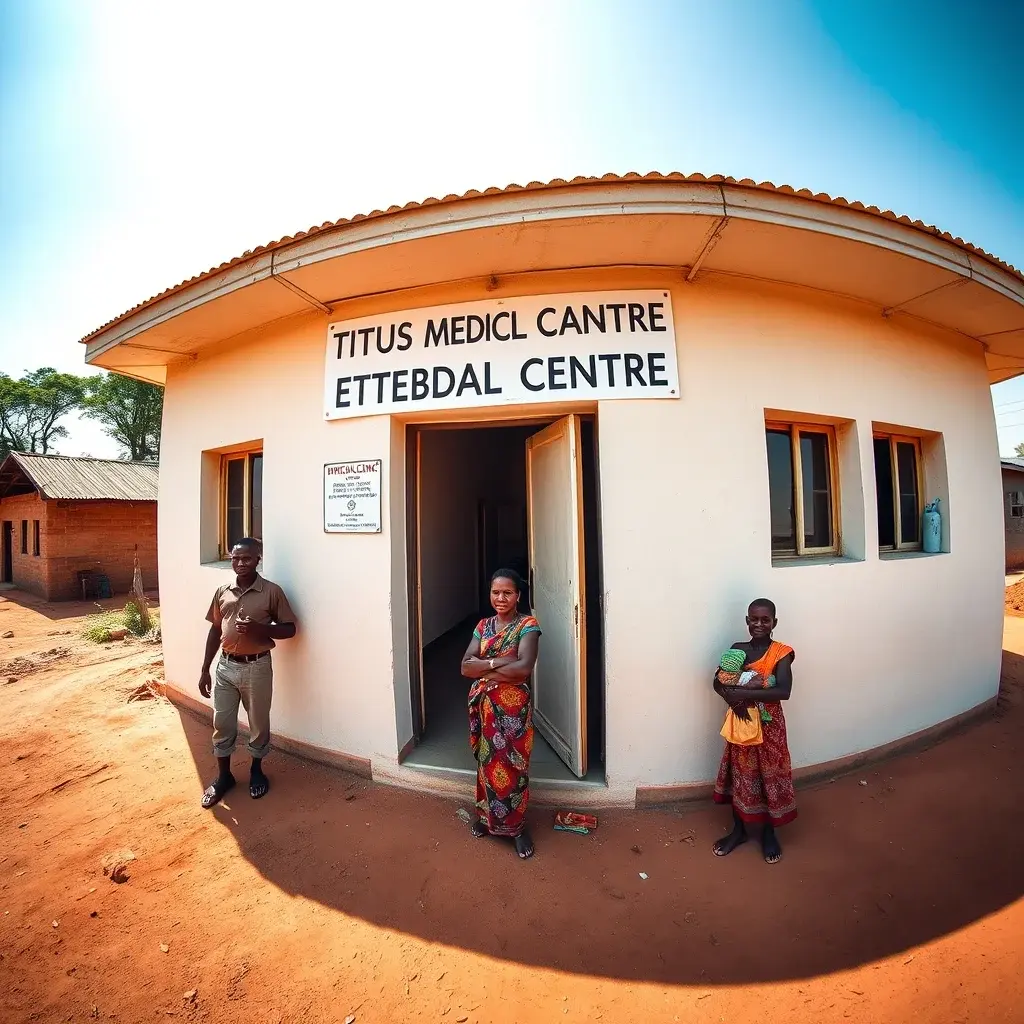
A new health facility, Titus Medical Centre, has officially opened in Kumdi, Kpandai District, Northern Region, aiming to bridge a critical gap in healthcare access for underserved rural communities. The opening addresses long-standing challenges faced by residents, including difficulties in reaching medical services, inadequate infrastructure, and financial barriers to treatment, particularly for emergency cases.
The establishment of Titus Medical Centre is a direct response to the severe risks residents face due to the lack of proximate healthcare. Steve-Lee Demuyakor, Chief Executive Officer of Titus Medical Centre, highlighted that victims of snake bites, road accidents, and pregnant women in labour are often compelled to travel extensive distances to Kpandai or Salaga for treatment. This delay in accessing medical attention can be fatal, especially in emergency situations.
Demuyakor articulated that the medical centre was founded with the specific goal of enhancing healthcare delivery for vulnerable populations. This includes farmers, low-income earners, and other residents who frequently encounter obstacles in obtaining quality medical care. By bringing services closer to these communities, the centre aims to mitigate the dangers associated with delayed treatment.
The long distances from communities like Kumdi to existing health centres in Kpandai have created significant hurdles for residents requiring urgent medical attention. Demuyakor emphasized that emergency cases become particularly critical because the prolonged travel time before patients receive medical intervention often exacerbates their conditions, leading to worse outcomes.
The initiative has been met with appreciation from the local residents who have benefited from the medical outreach. They expressed gratitude for the intervention and appealed for increased investment in healthcare infrastructure and services within the rural areas of the Kpandai District. This underscores the persistent need for accessible and quality healthcare in these deprived regions.
The opening of Titus Medical Centre signifies a crucial step towards improving health outcomes in the Kpandai District. Its presence is expected to reduce mortality rates from preventable or treatable conditions by providing timely medical intervention. The focus on serving farmers and low-income earners also addresses the socioeconomic disparities that often hinder access to healthcare.
The establishment highlights a broader trend of private sector intervention addressing public health needs in remote areas where government resources may be stretched thin. Such initiatives are vital for ensuring that geographical location and economic status do not determine an individual’s right to essential medical care. The success of Titus Medical Centre could serve as a model for similar interventions in other underserved regions.
Looking ahead, the impact of Titus Medical Centre will be closely watched. Its ability to sustain operations, expand services, and effectively reach all intended beneficiaries will be key indicators of its long-term success. Furthermore, the response from the wider community and potential for further investment in the region’s healthcare infrastructure will shape the future of health services in Kpandai.










Leave a Reply